About this artwork
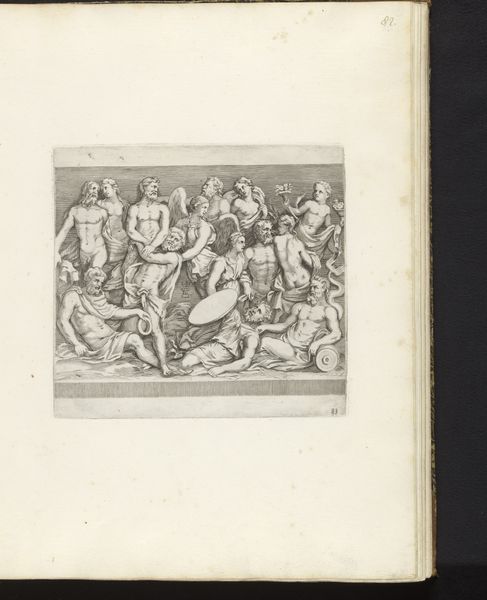
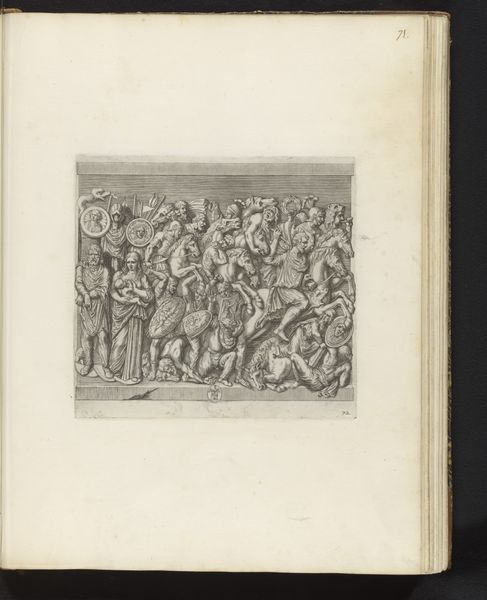
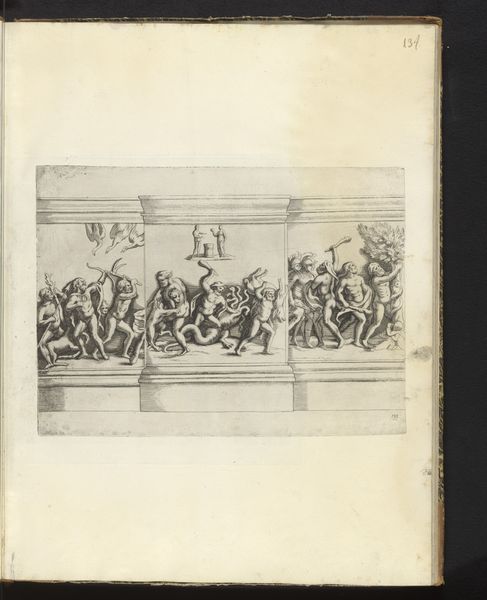
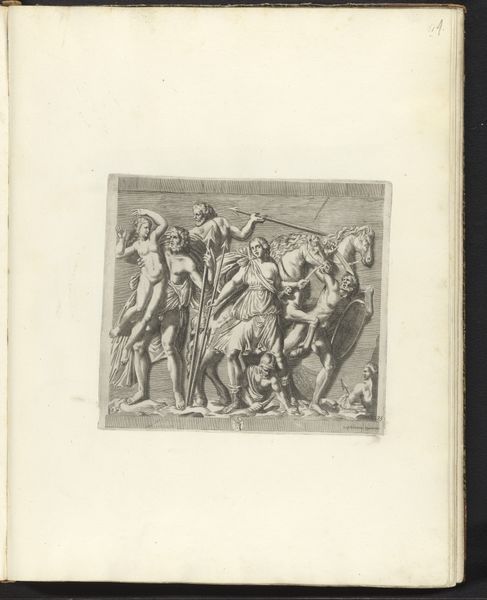
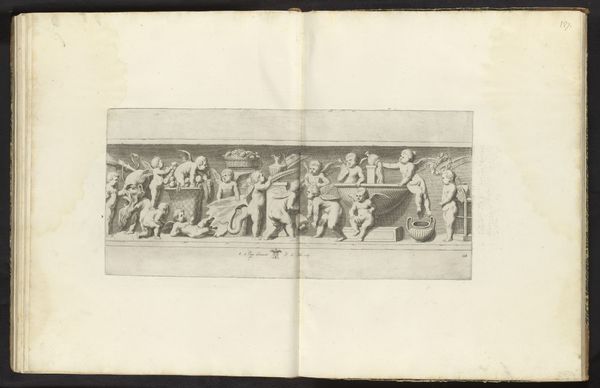
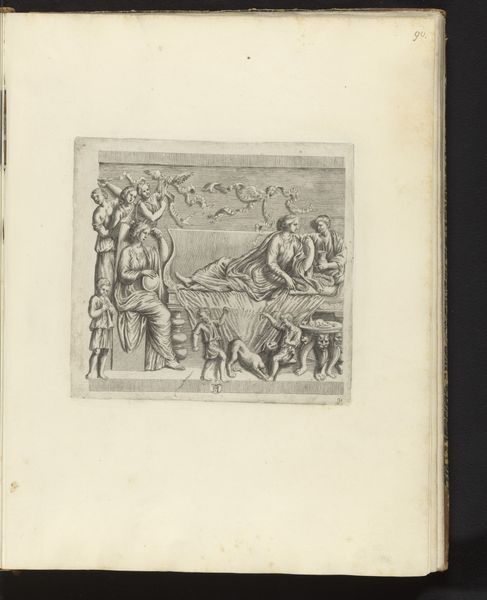
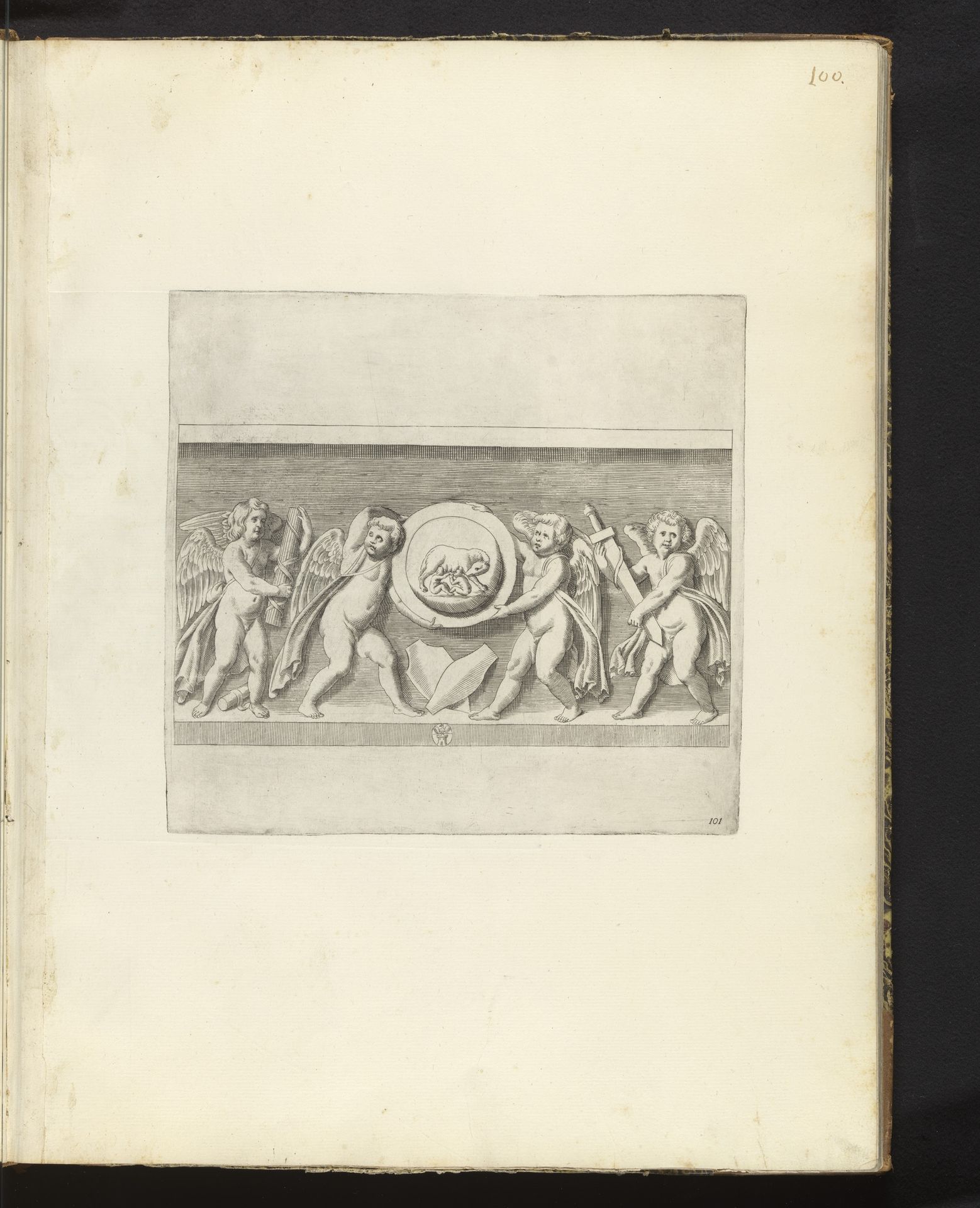
Valérien Regnard created this bas-relief of putti holding a medallion with Romulus and Remus sometime between 1610 and 1650. The image encapsulates the mythical founding of Rome. See how the twins are suckled by a she-wolf, an enduring symbol of Rome's origin story. This motif, deeply rooted in Roman culture, appears in various forms throughout history. Think of the Capitoline Wolf, a bronze sculpture dating back to ancient Rome. The she-wolf represents maternal care and nurturing but also hints at the wild, untamed origins of a civilization. This duality—nature versus culture—is a recurring theme in art. Consider how later interpretations of the Romulus and Remus story often emphasize the violence and fratricide, a darker undercurrent beneath the foundation of Rome. This reflects a collective consciousness grappling with power, ambition, and the darker aspects of human nature. The cyclical recurrence and evolution of the Romulus and Remus narrative demonstrate how cultural symbols persist, adapt, and reflect humanity's ever-evolving understanding of itself.
Bas-reliëf met putti die een medaillion met Romulus en Remus tonen
1636 - 1647

Artwork details
- Medium
- print, relief, engraving
- Dimensions
- height 229 mm, width 243 mm
- Copyright
- Rijks Museum: Open Domain
Tags
Comments
Share your thoughts
About this artwork
Valérien Regnard created this bas-relief of putti holding a medallion with Romulus and Remus sometime between 1610 and 1650. The image encapsulates the mythical founding of Rome. See how the twins are suckled by a she-wolf, an enduring symbol of Rome's origin story. This motif, deeply rooted in Roman culture, appears in various forms throughout history. Think of the Capitoline Wolf, a bronze sculpture dating back to ancient Rome. The she-wolf represents maternal care and nurturing but also hints at the wild, untamed origins of a civilization. This duality—nature versus culture—is a recurring theme in art. Consider how later interpretations of the Romulus and Remus story often emphasize the violence and fratricide, a darker undercurrent beneath the foundation of Rome. This reflects a collective consciousness grappling with power, ambition, and the darker aspects of human nature. The cyclical recurrence and evolution of the Romulus and Remus narrative demonstrate how cultural symbols persist, adapt, and reflect humanity's ever-evolving understanding of itself.
Comments
Share your thoughts