1698 - 1751
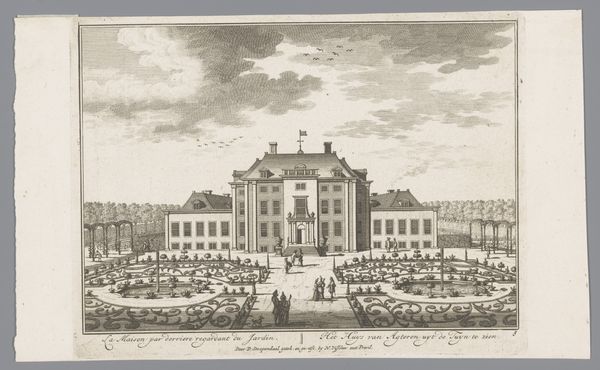
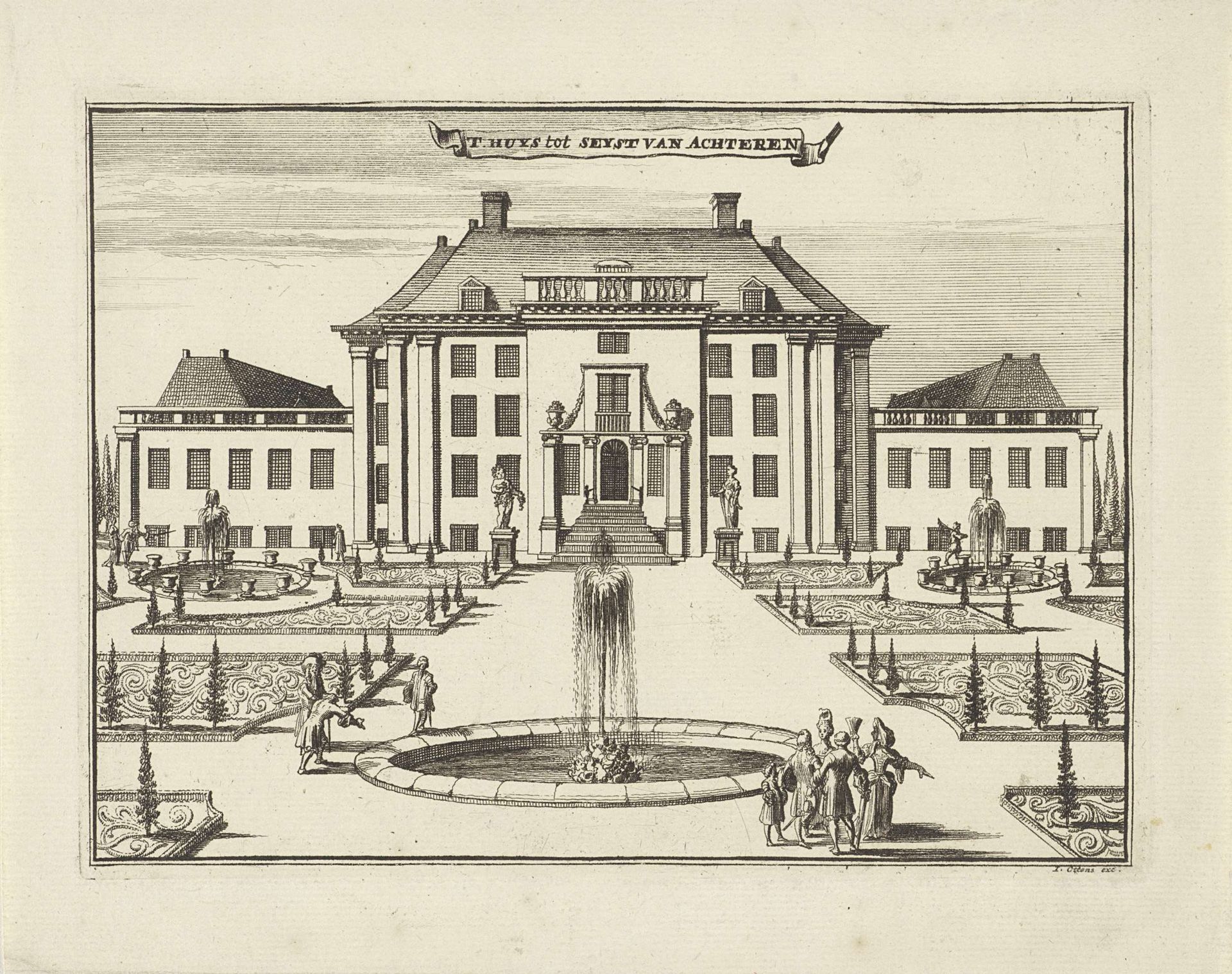
Gezicht op slot Zeist van de achterzijde

Jan van Vianen
1660 - 1726Location
RijksmuseumListen to curator's interpretation
Curatorial notes
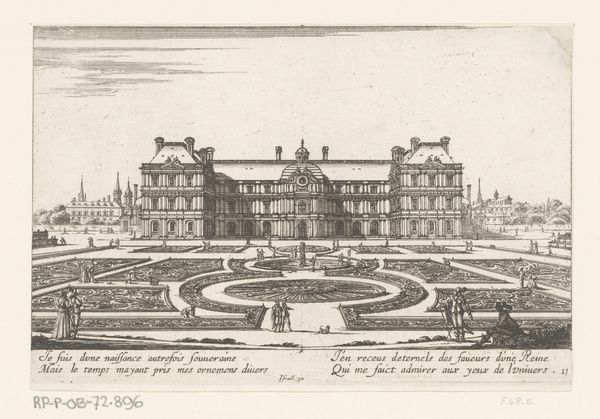
Jan van Vianen created this print of Zeist Castle, from the rear, in the Netherlands, during the late 17th or early 18th century. It offers us a glimpse into the world of the Dutch elite, and the social hierarchies that shaped their lives. The image presents the castle and its meticulously designed gardens as symbols of wealth, power, and status. The architecture embodies classical ideals, reflecting the owners' aspirations. The gardens, with their symmetrical patterns and sculpted fountains, speak to the human control over nature that was so prized at the time. It is a carefully constructed image, intended to convey a specific message about the owner's place in society. Prints like these were commissioned by the elite to circulate images of their properties among their peers and to assert their dominance. Looking deeper into the social and economic history of the Dutch Golden Age, using estate records, letters, and other documents, can help us to understand the values and assumptions that underpin this image. By analyzing the visual codes, we are able to understand the complex relationship between art, power, and society.