About this artwork
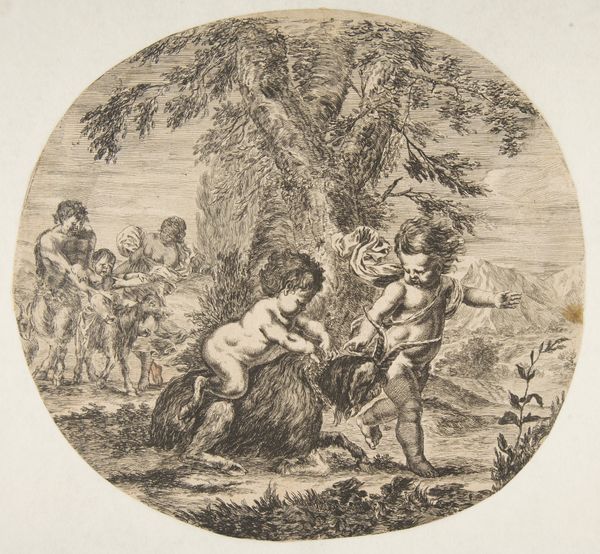
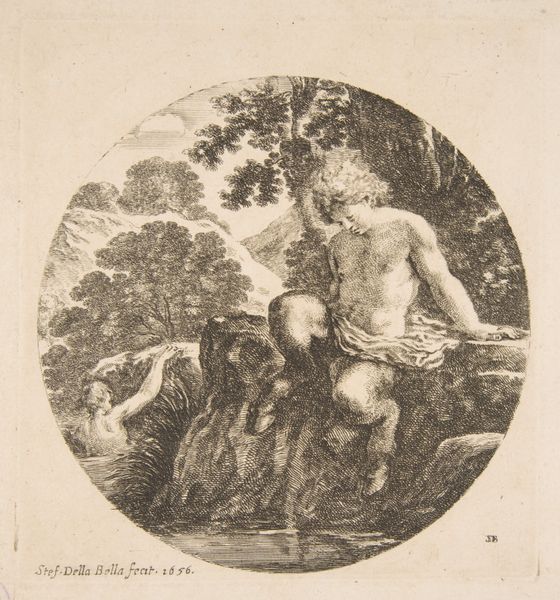
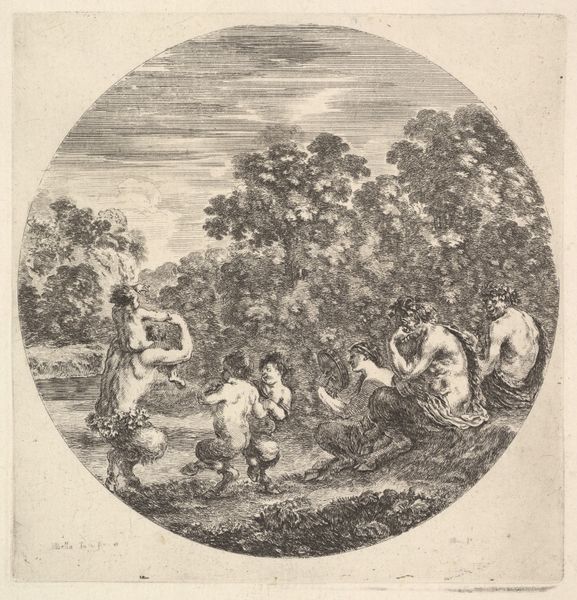
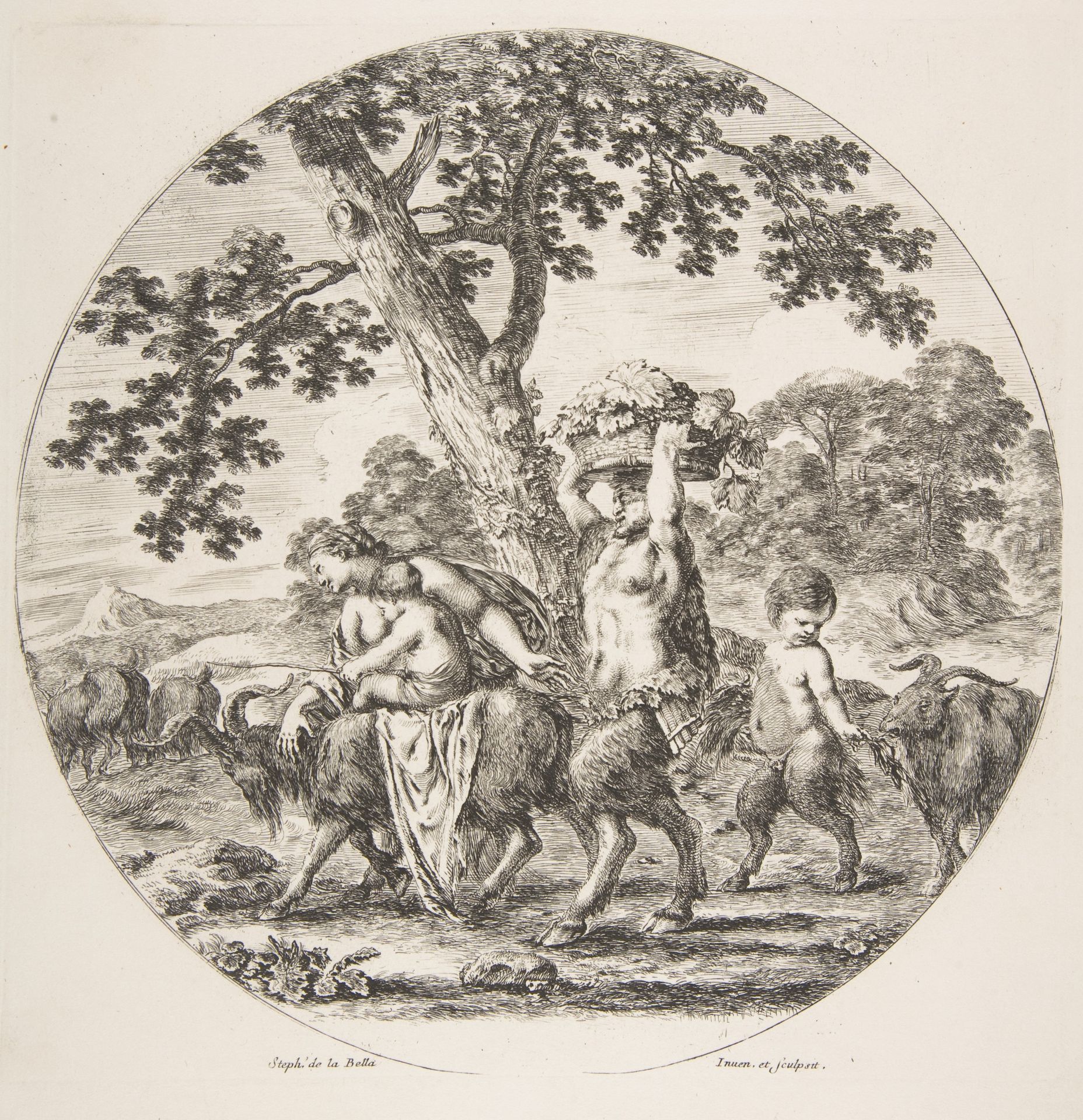
Stefano della Bella created this etching of a Satyr family in the mid-17th century. It depicts a mythical scene, but it also reflects the social and cultural values of its time. The image presents a family unit in harmony with nature. The satyrs, creatures of the wild, are idealized, their wildness tamed by the responsibilities of family life. Della Bella was working in Florence and Rome at a time when the Catholic Church and the aristocratic elite were major patrons of the arts, institutions with a strong interest in promoting family values. This work, in its own way, reinforces the idea of a stable, ordered society. The visual codes are telling: the lush landscape, the abundance of grapes, and the serene expressions on the satyrs' faces all suggest a world of plenty and contentment. Art historians consult a variety of sources – from period literature to economic data – to better understand the original context in which an artwork like this was made and consumed. By situating art in its institutional and social context, we can better understand its role in shaping cultural values.
Satyr family walking towards the left with two goats and a basket of grapes
1652 - 1662

Stefano della Bella
1610 - 1664
The Metropolitan Museum of Art
Metropolitan Museum of Art, New York, NYArtwork details
- Medium
- drawing, print, etching
- Dimensions
- Plate: 8 7/8 x 8 7/8 in. (22.5 x 22.5 cm) Sheet: 14 15/16 x 10 5/8 in. (38 x 27 cm)
- Location
- Metropolitan Museum of Art, New York, NY
- Copyright
- Public Domain
Tags
drawing
narrative-art
baroque
etching
landscape
figuration
Comments
Be the first to share your thoughts about this work.
About this artwork
Stefano della Bella created this etching of a Satyr family in the mid-17th century. It depicts a mythical scene, but it also reflects the social and cultural values of its time. The image presents a family unit in harmony with nature. The satyrs, creatures of the wild, are idealized, their wildness tamed by the responsibilities of family life. Della Bella was working in Florence and Rome at a time when the Catholic Church and the aristocratic elite were major patrons of the arts, institutions with a strong interest in promoting family values. This work, in its own way, reinforces the idea of a stable, ordered society. The visual codes are telling: the lush landscape, the abundance of grapes, and the serene expressions on the satyrs' faces all suggest a world of plenty and contentment. Art historians consult a variety of sources – from period literature to economic data – to better understand the original context in which an artwork like this was made and consumed. By situating art in its institutional and social context, we can better understand its role in shaping cultural values.
Comments
Be the first to share your thoughts about this work.