1740
Heilige Familie

Frederick Bloemaert
1610Location
RijksmuseumListen to curator's interpretation
Curatorial notes
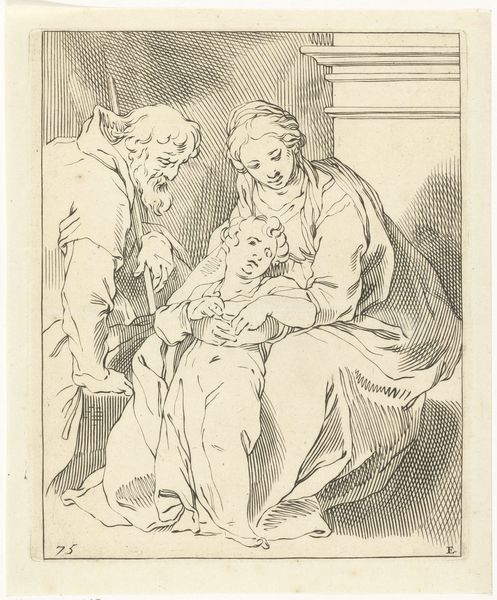
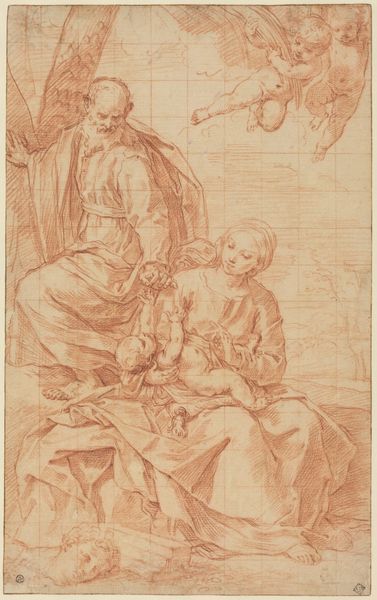
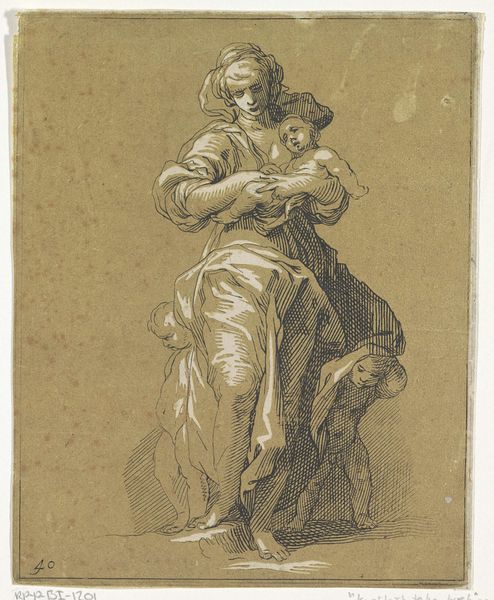
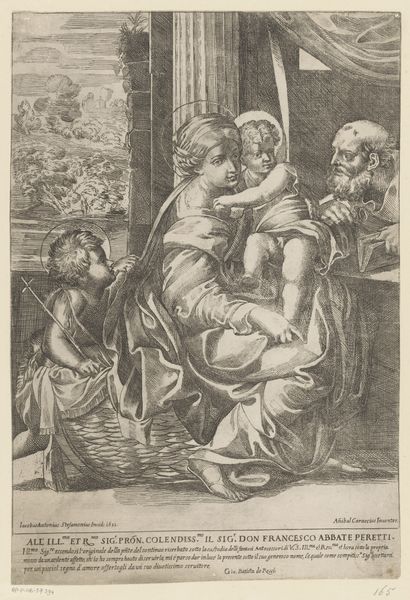
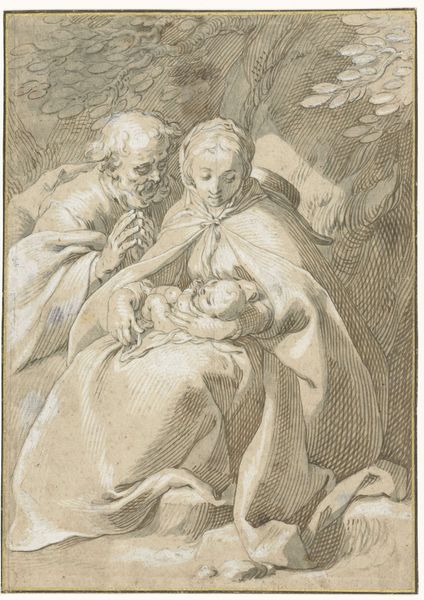
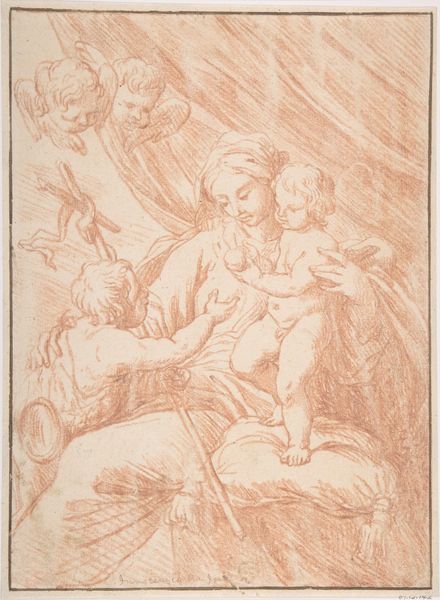
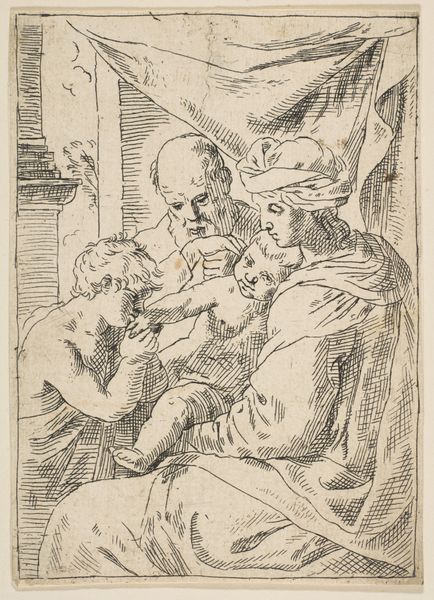
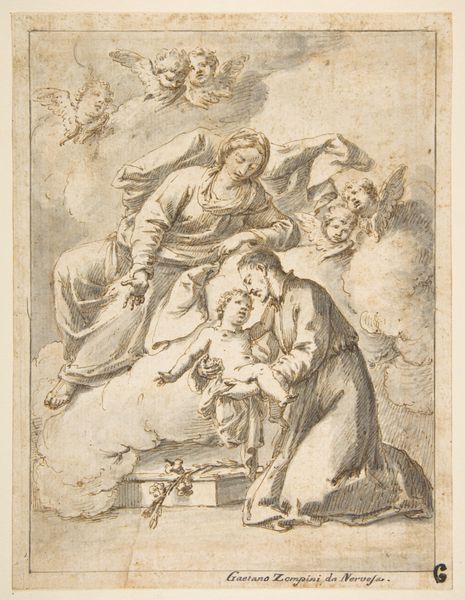
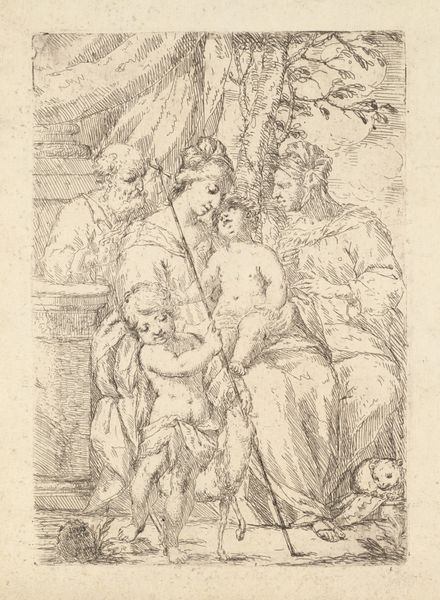
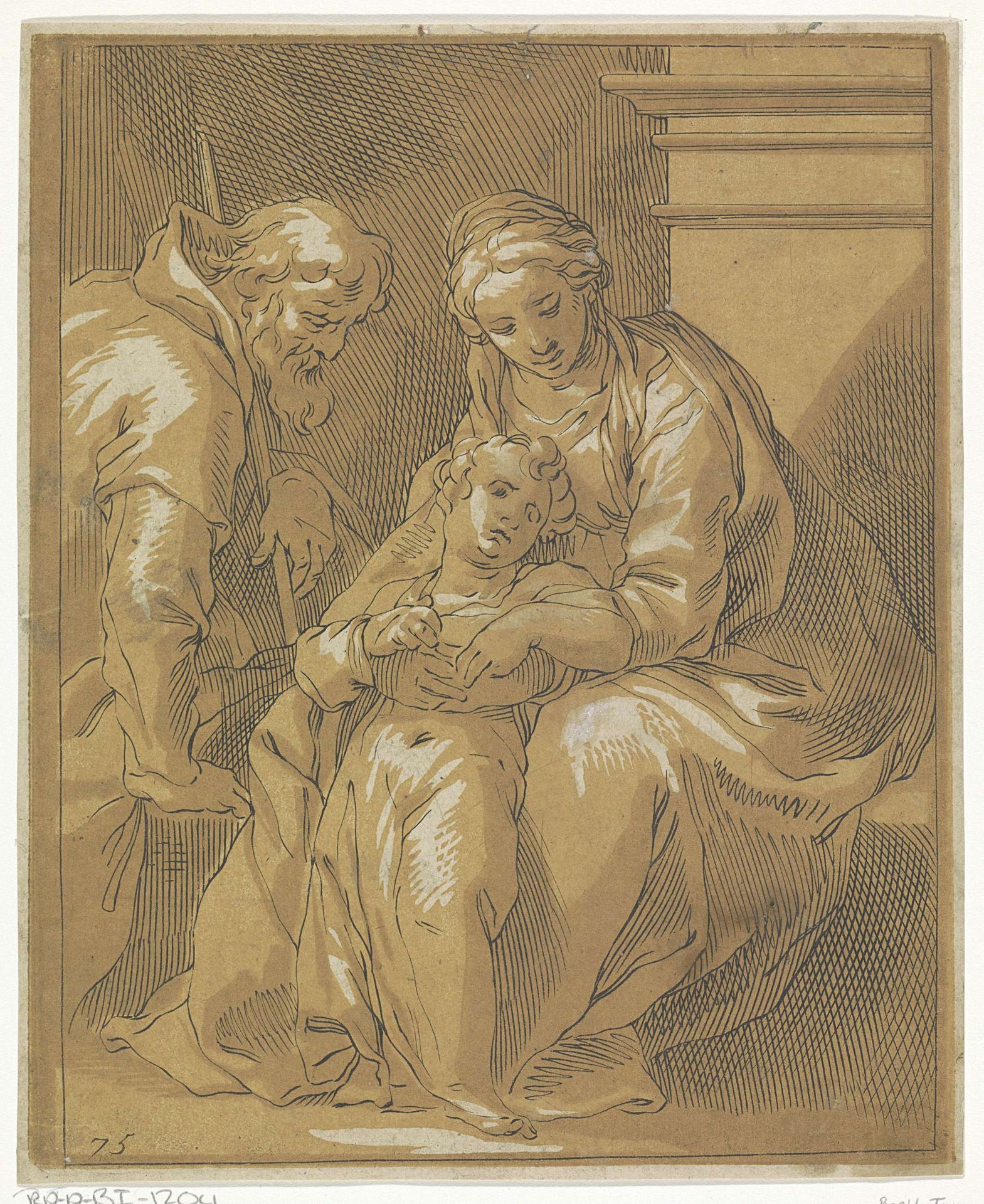
Frederick Bloemaert created this drawing, The Holy Family, sometime around 1610 using pen and brown ink, with brown wash, on paper. The intimate portrayal of Mary, Joseph, and the Christ Child is laden with familiar symbols. Consider, for example, the gesture of embrace: Mary tenderly holding the infant Christ. This image is repeated across centuries and cultures in countless iterations of the Madonna. It evokes feelings of maternal love, protection, and the sacredness of new life. We see echoes of similar poses in ancient depictions of Isis and Horus, where the mother goddess cradles her divine child. This motif transcends its religious origins, touching upon primal emotions and the universal experience of motherhood. The Holy Family, a tableau of love and devotion, becomes a powerful emblem of hope and renewal. These visual symbols transcend time. They remind us that art is a continuum, with motifs resurfacing, evolving, and taking on new meanings across history.