1837
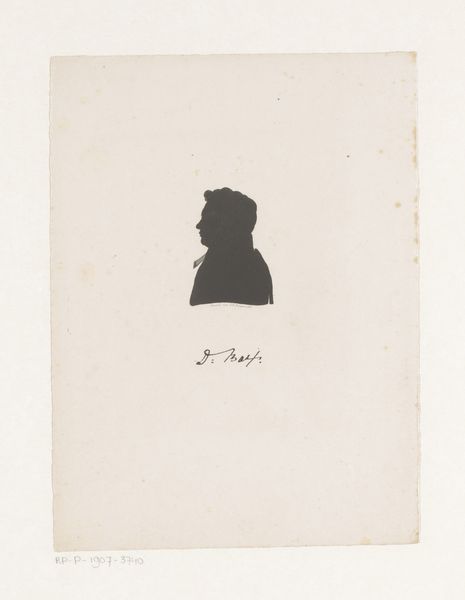
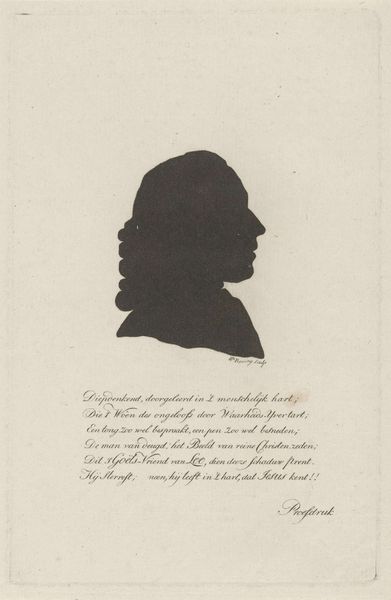
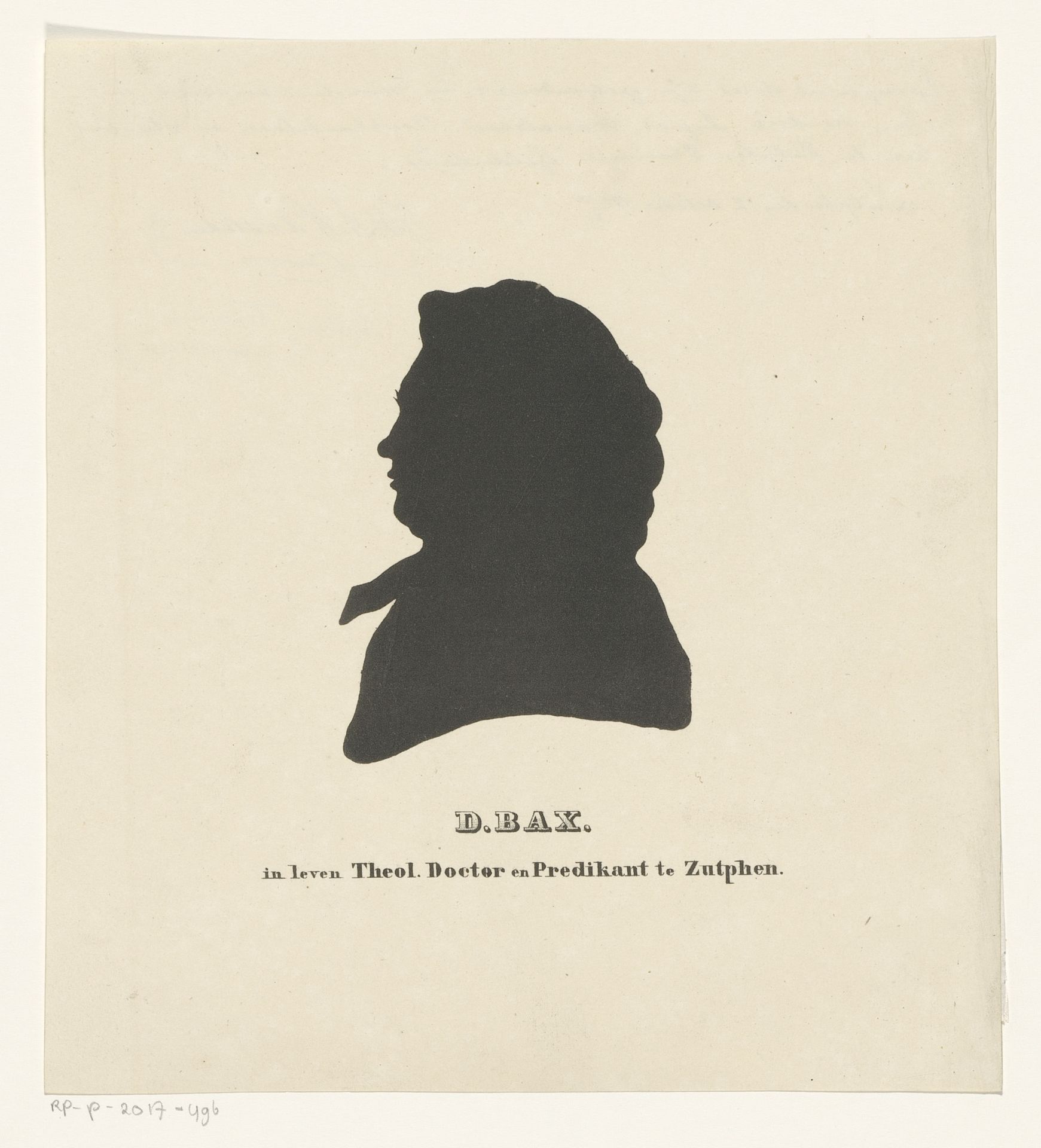
Silhouetportret van theoloog en predikant Dirk Bax

Listen to curator's interpretation
Curatorial notes
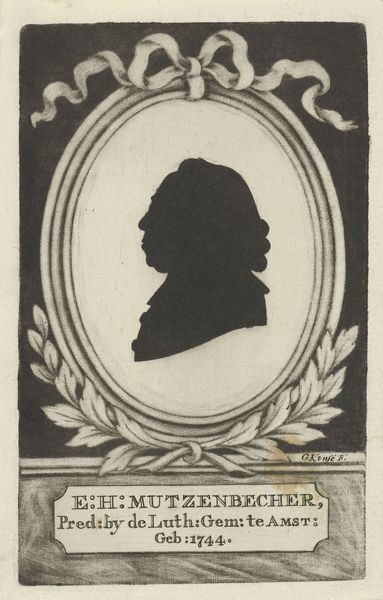
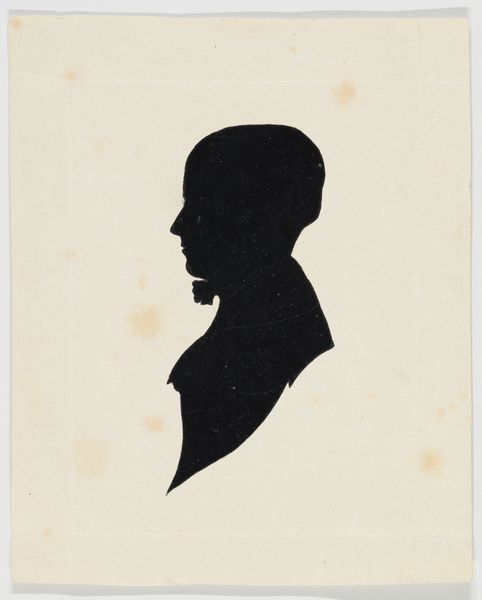
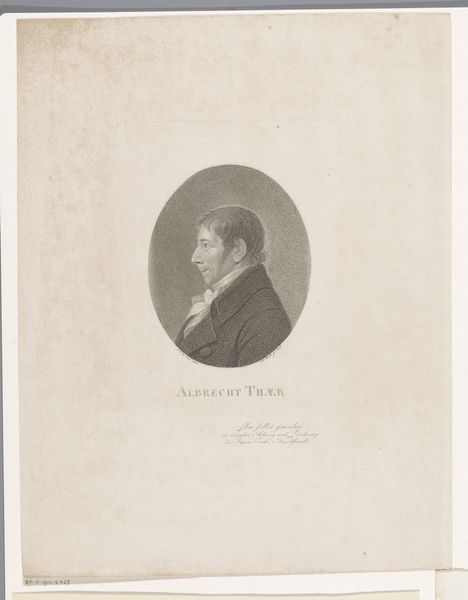
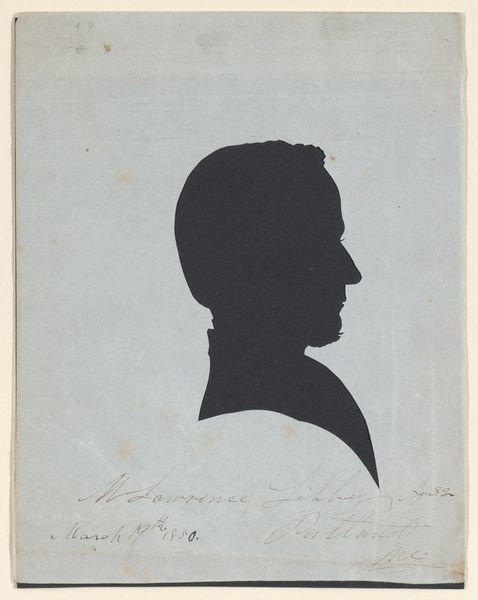
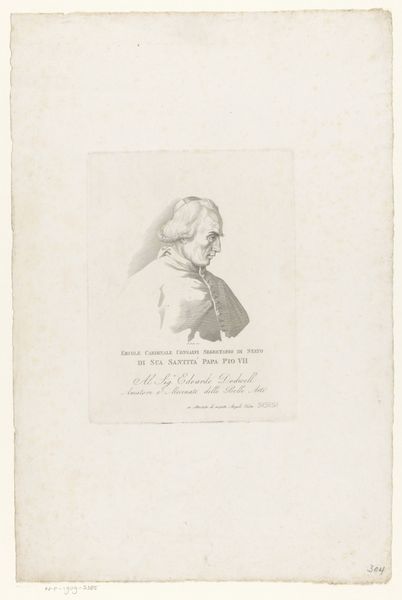
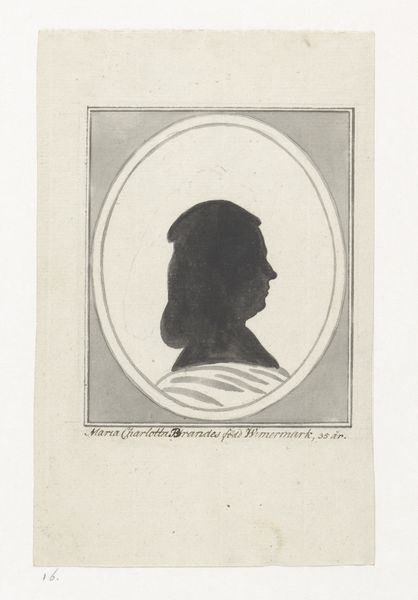
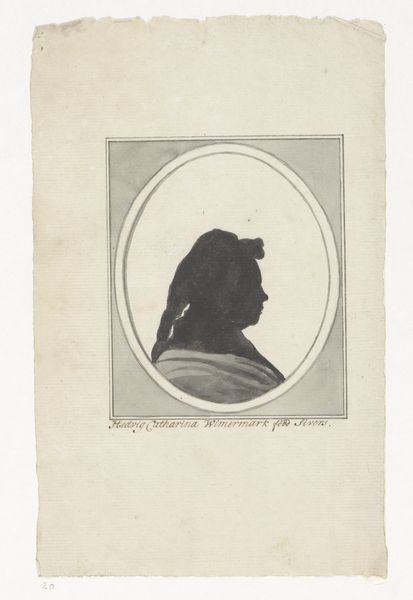
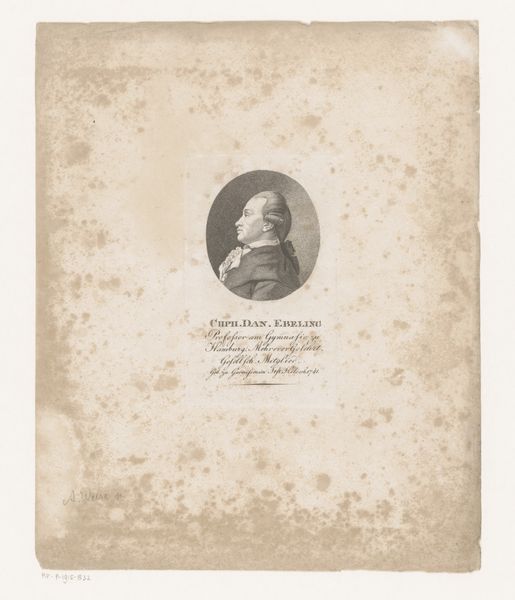
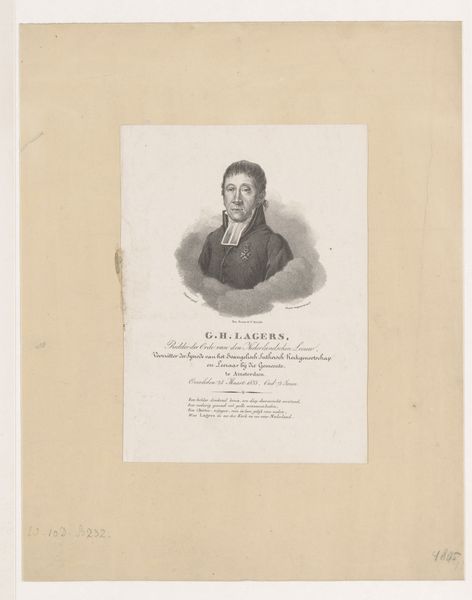
Jan Hendrik August Wansleven created this silhouette portrait of Dirk Bax, a theologian and preacher in Zutphen, Netherlands. Silhouette portraits became popular in the late 18th and early 19th centuries as a relatively inexpensive and quick way to capture a person's likeness. In a society increasingly aware of individual identity and social standing, silhouettes offered a democratic form of portraiture, accessible to a broader segment of the population beyond the elite. The stark contrast between light and shadow simplifies the subject to their most recognizable outline, emphasizing form over detail. The theologian’s image may have been commissioned by his family or church, reflecting the values of a society that placed importance on religious figures. To better understand the social implications of such an image, one might explore parish records, local histories, and genealogical archives to fully appreciate its historical context. By studying these resources, we can gain a deeper understanding of the artwork and the world in which it was created.