About this artwork
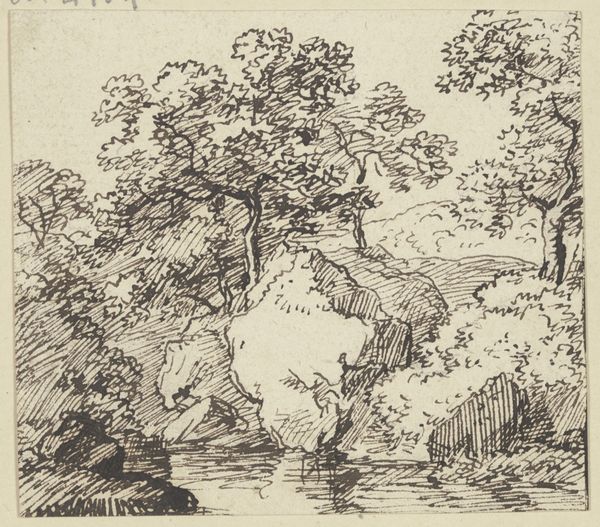
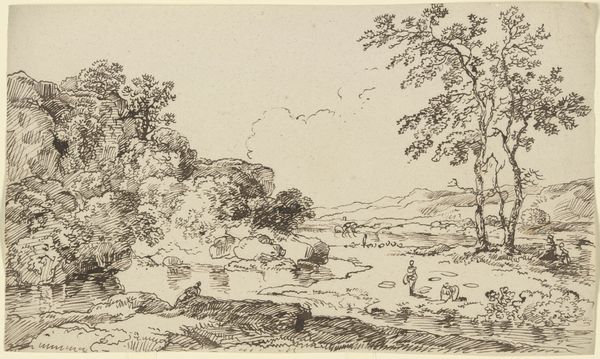
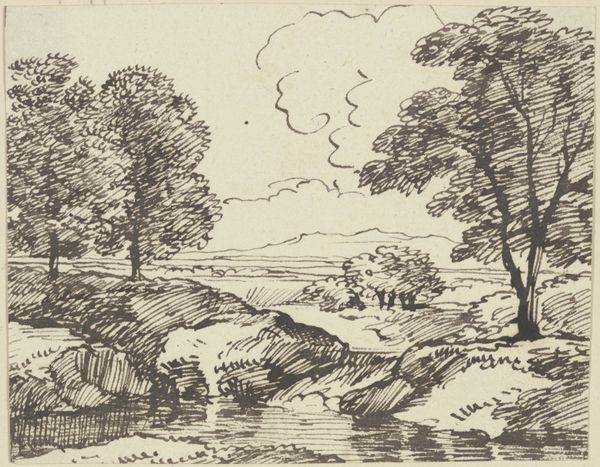
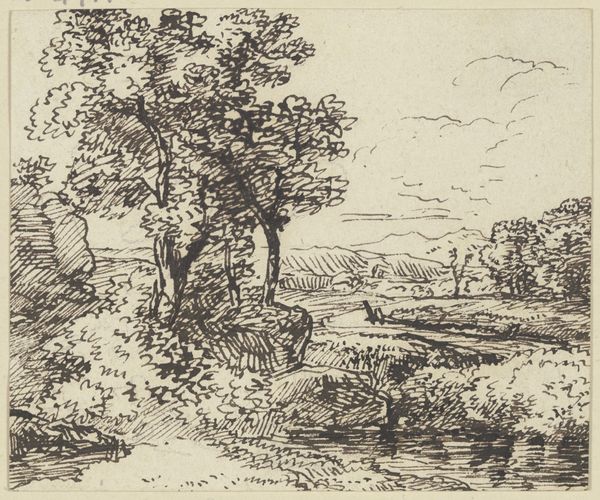
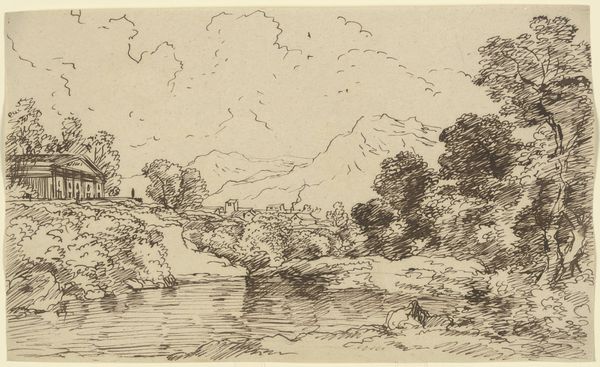
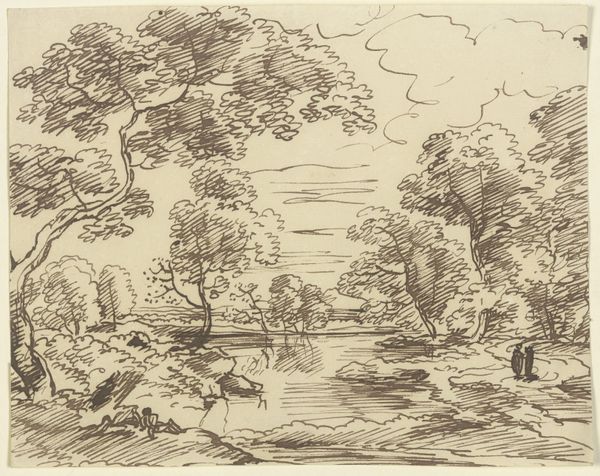
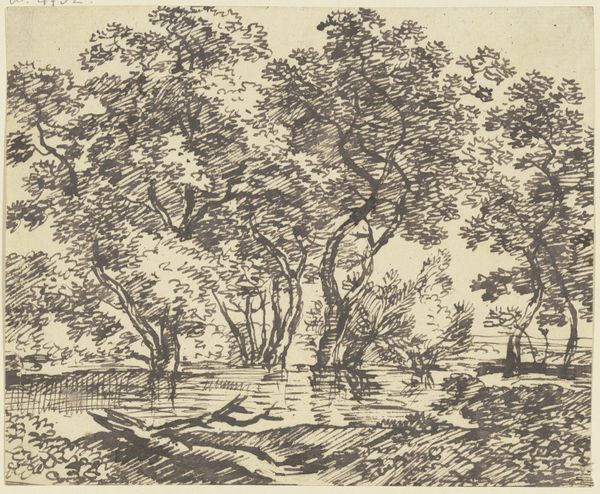
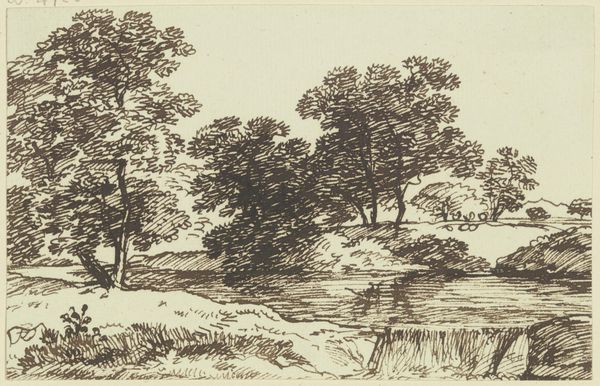
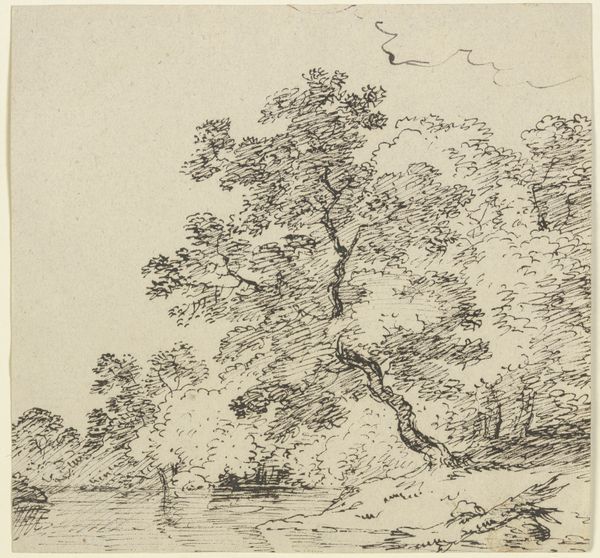
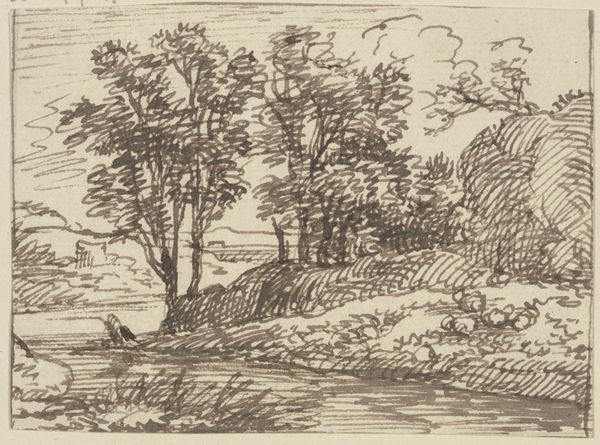
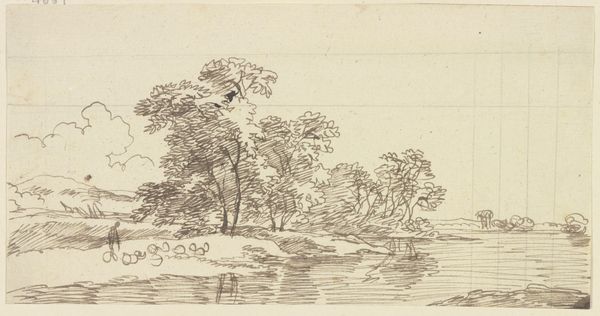
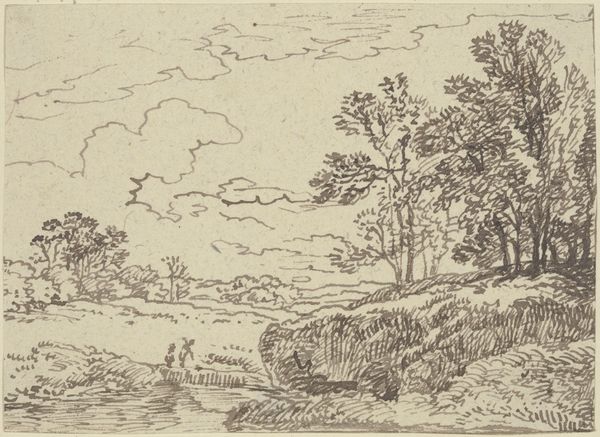
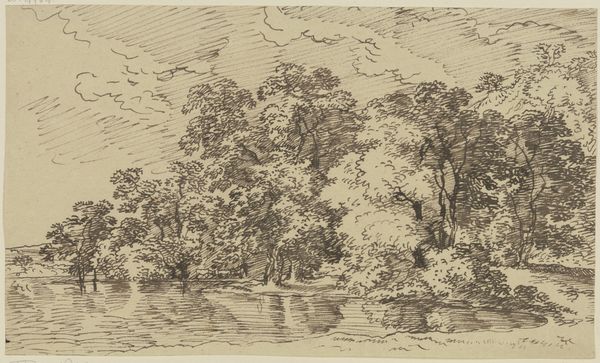
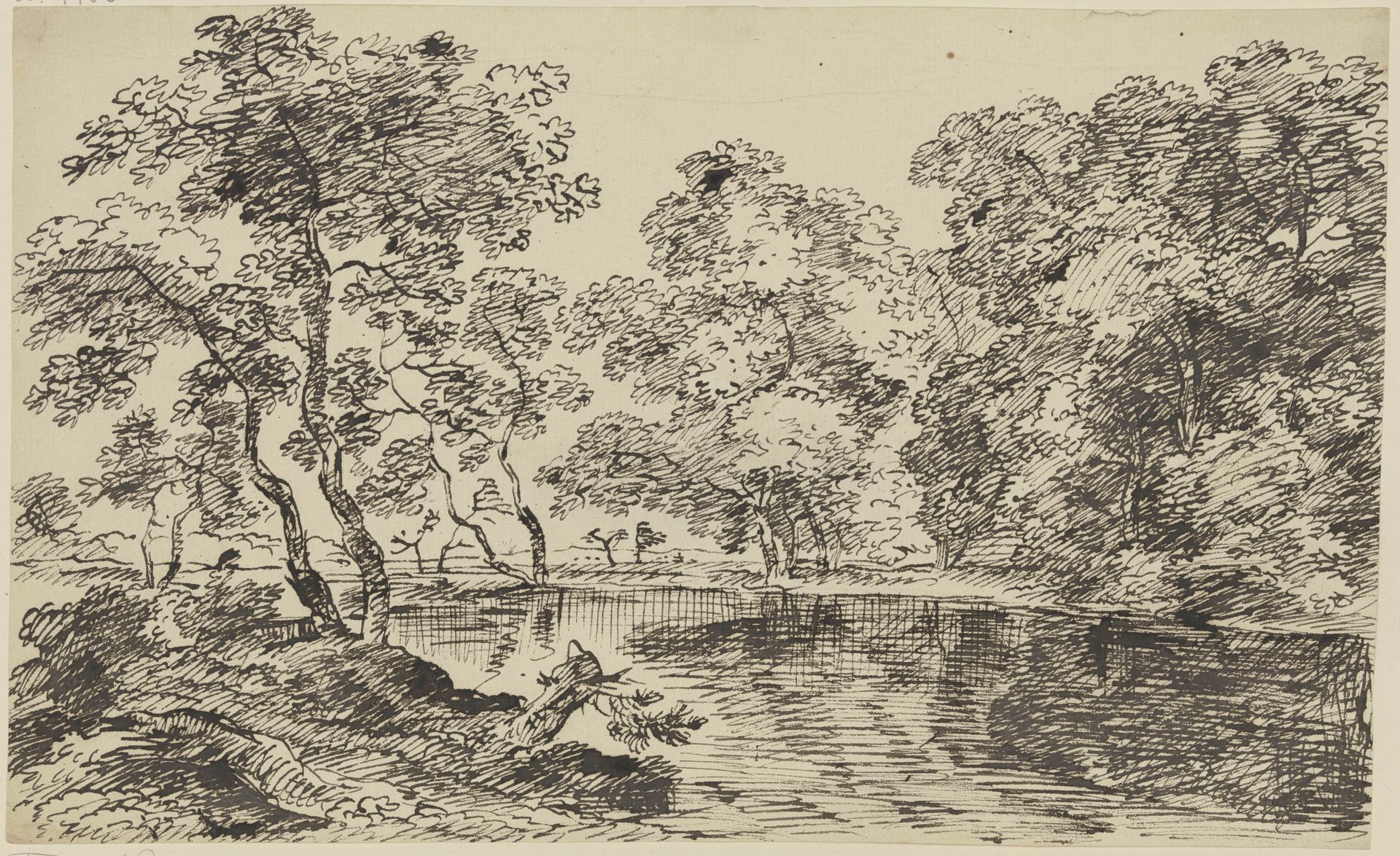
Franz Kobell rendered this landscape with pen and brown ink, and although undated, it likely reflects the artistic tastes of late 18th century Germany. Kobell was attached to the court of the Elector Palatine, and it is worth remembering that the patronage of royal or aristocratic institutions largely determined what kind of art could be made and seen. This image is far from the grand history paintings that dominated official taste, or even the carefully planned landscapes that one might find in the gardens of a palace. Instead, Kobell gives us an intimate view of nature, perhaps suggesting a new appreciation for the natural world taking hold among German intellectuals at this time. The power of the image lies in its suggestion of quiet contemplation. Historical study might lead us to explore the emerging philosophical interest in nature that underpinned such images. This kind of drawing might seem simply to reflect its subject, but we should remember that every image subtly suggests a set of cultural values.


Artwork details
- Medium
- drawing, ink, indian-ink, pen
- Location
- Städel Museum
- Copyright
- Public Domain
Tags
Comments
Share your thoughts
About this artwork
Franz Kobell rendered this landscape with pen and brown ink, and although undated, it likely reflects the artistic tastes of late 18th century Germany. Kobell was attached to the court of the Elector Palatine, and it is worth remembering that the patronage of royal or aristocratic institutions largely determined what kind of art could be made and seen. This image is far from the grand history paintings that dominated official taste, or even the carefully planned landscapes that one might find in the gardens of a palace. Instead, Kobell gives us an intimate view of nature, perhaps suggesting a new appreciation for the natural world taking hold among German intellectuals at this time. The power of the image lies in its suggestion of quiet contemplation. Historical study might lead us to explore the emerging philosophical interest in nature that underpinned such images. This kind of drawing might seem simply to reflect its subject, but we should remember that every image subtly suggests a set of cultural values.
Comments
Share your thoughts