About this artwork
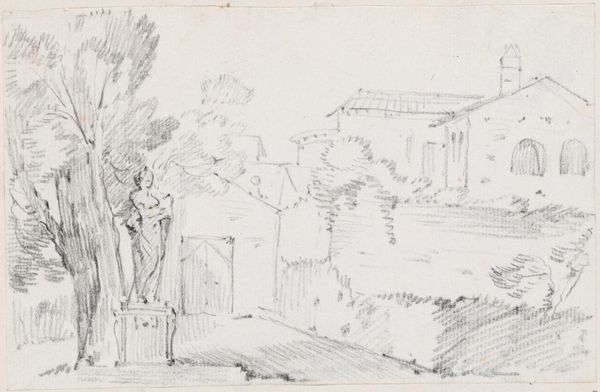
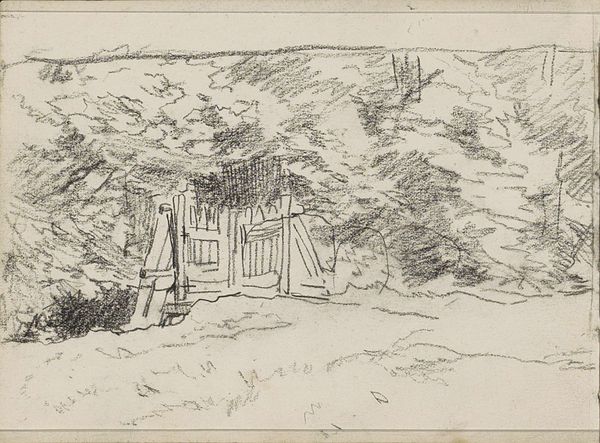
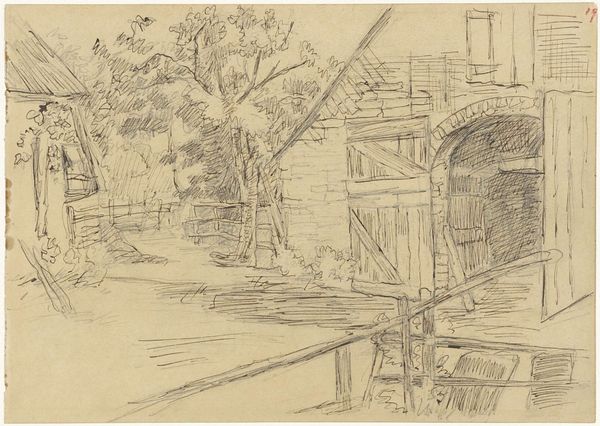
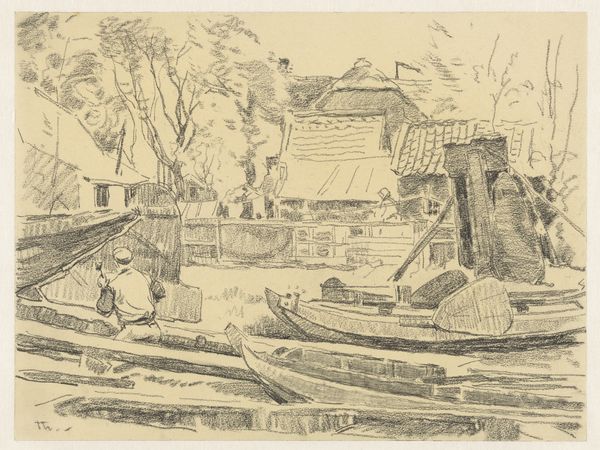
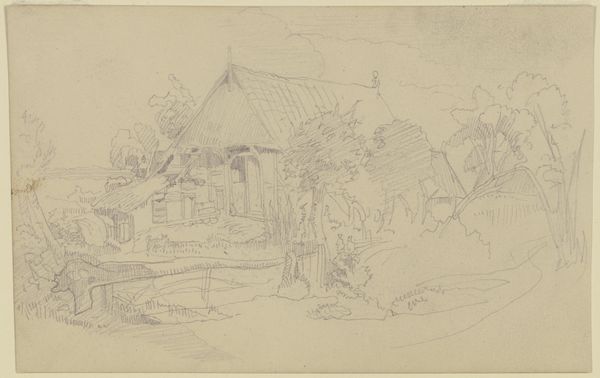
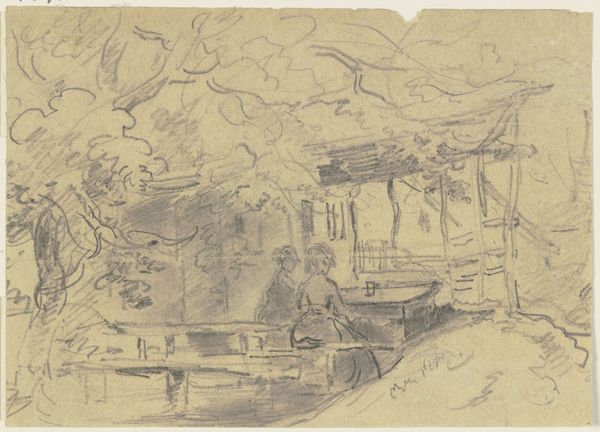
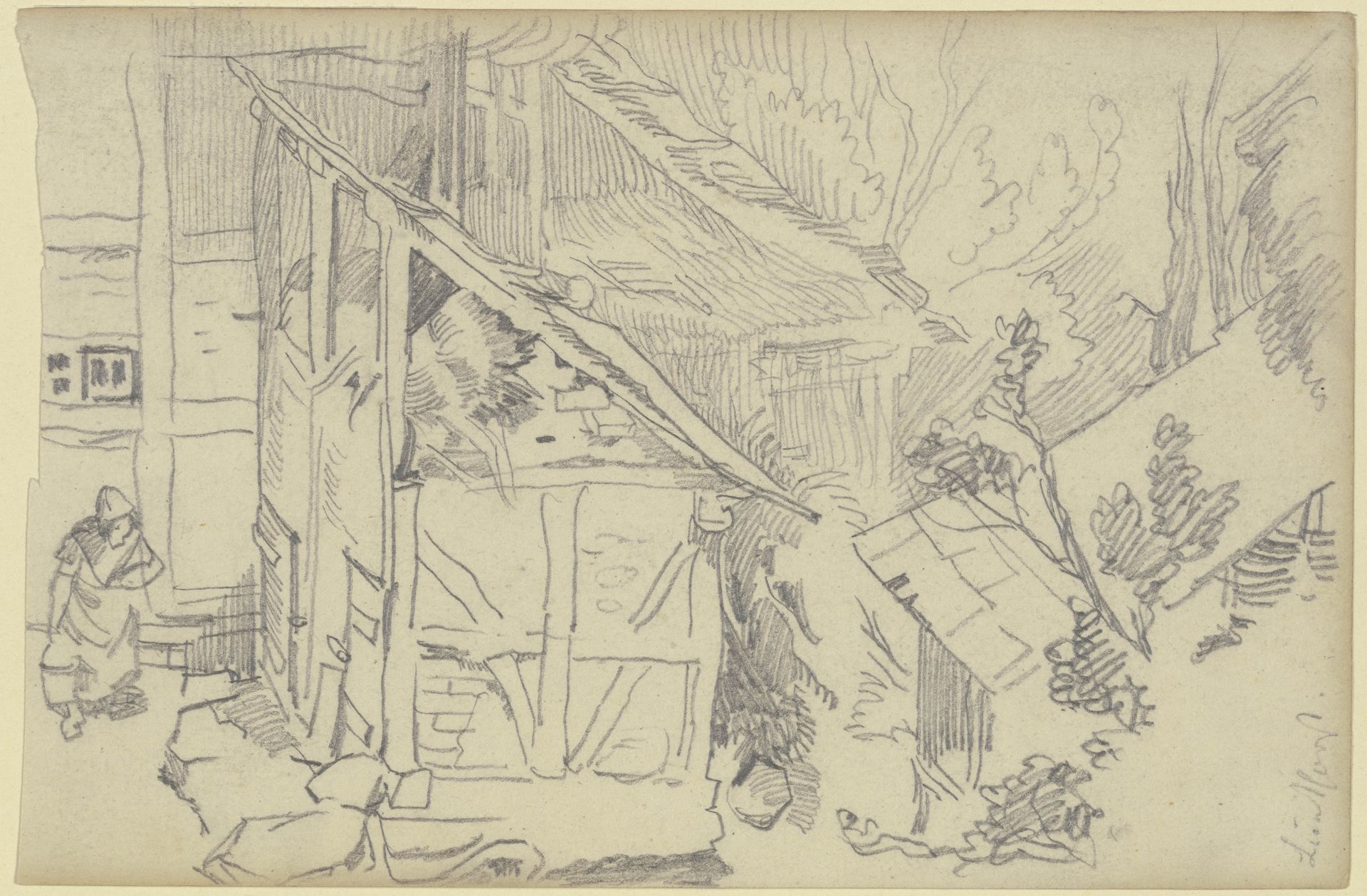
Wilhelm Busch created this pencil drawing, titled Lüthorst, which resides here at the Städel Museum. Born in 1832, Busch lived through a period of immense social change in Germany, including industrialization and the rise of nationalism, which certainly would have influenced his artistic perspective. The sketch captures a scene of rural decay, hinting at the social stratification and economic disparities that underscored 19th-century German society. We can see the rough, dilapidated structures in the background, with a figure in the lower left, perhaps a woman, rendered with a sense of anonymity. Busch offers a glimpse into the lives of the working class, far from the romanticized visions of pastoral life. The drawing can be viewed as a commentary on the social realities of his time. It evokes an emotional response, a sense of melancholic reflection. The sketch leaves us contemplating our own place within the narratives of history.


Artwork details
- Medium
- drawing, ink, pencil, architecture
- Location
- Städel Museum
- Copyright
- Public Domain
Tags
Comments
Share your thoughts
About this artwork
Wilhelm Busch created this pencil drawing, titled Lüthorst, which resides here at the Städel Museum. Born in 1832, Busch lived through a period of immense social change in Germany, including industrialization and the rise of nationalism, which certainly would have influenced his artistic perspective. The sketch captures a scene of rural decay, hinting at the social stratification and economic disparities that underscored 19th-century German society. We can see the rough, dilapidated structures in the background, with a figure in the lower left, perhaps a woman, rendered with a sense of anonymity. Busch offers a glimpse into the lives of the working class, far from the romanticized visions of pastoral life. The drawing can be viewed as a commentary on the social realities of his time. It evokes an emotional response, a sense of melancholic reflection. The sketch leaves us contemplating our own place within the narratives of history.
Comments
Share your thoughts