1754 - 1831
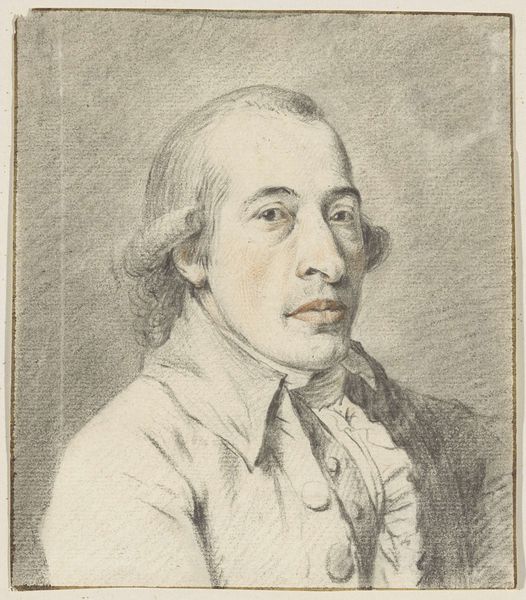
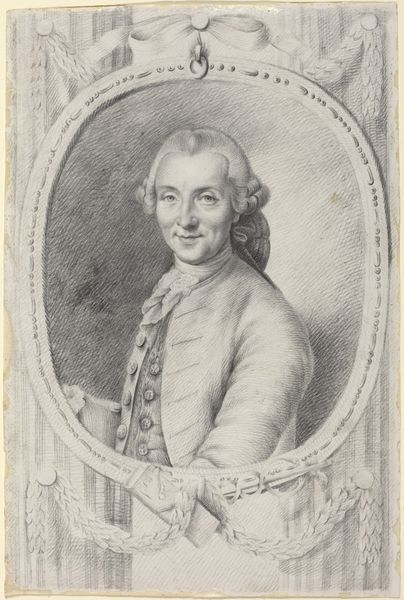
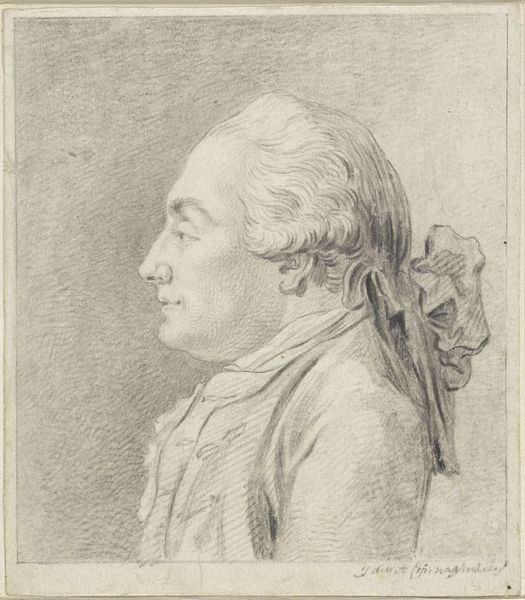
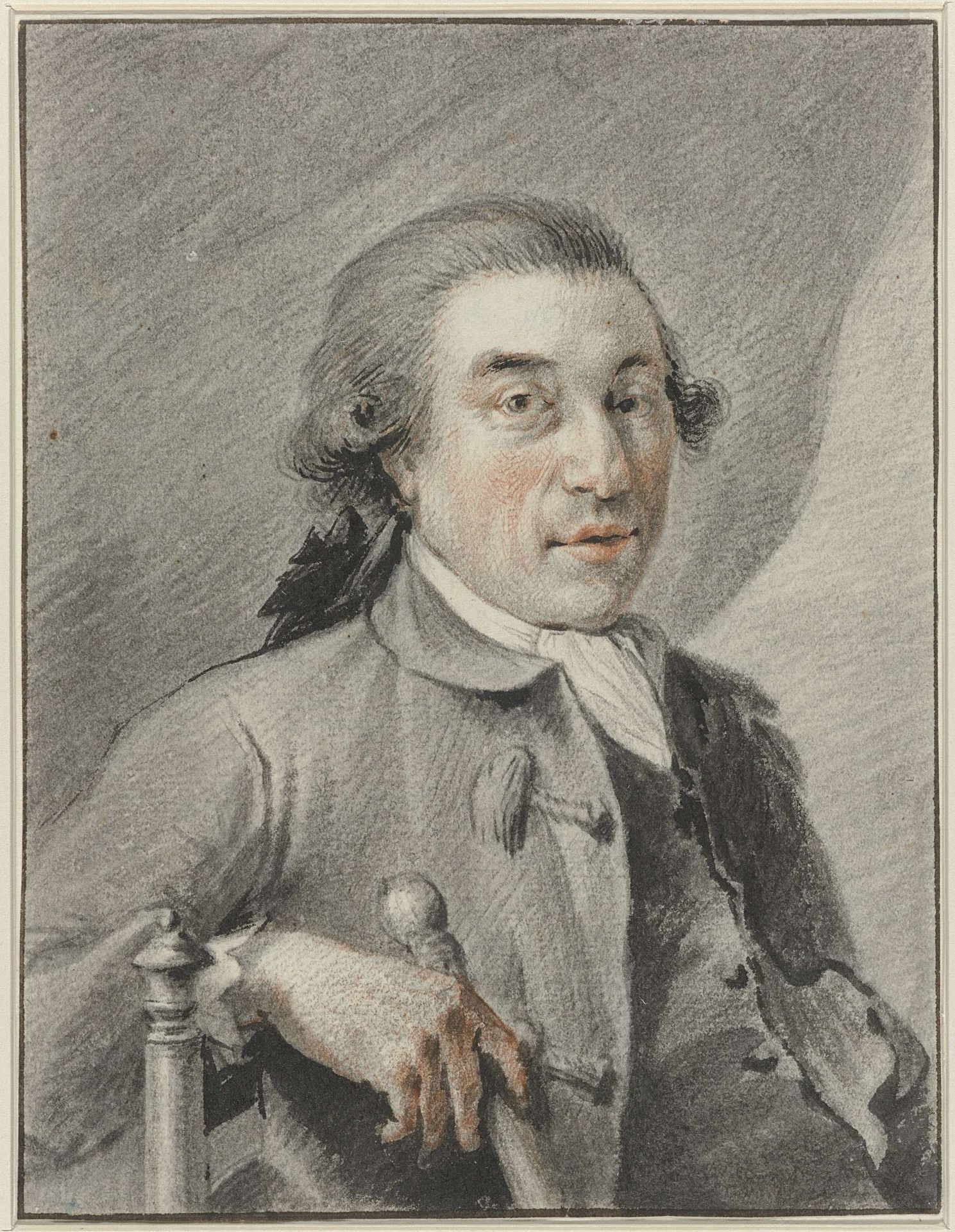
Portret van de schilder Gerrit Toorenburgh

Wybrand Hendriks
1744 - 1831Location
RijksmuseumListen to curator's interpretation
Curatorial notes
Editor: This is "Portret van de schilder Gerrit Toorenburgh," a drawing by Wybrand Hendriks, sometime between 1754 and 1831. It looks like it's made with pencil and charcoal. There's a sort of…quiet intensity about the gaze that strikes me. What symbols or cues do you find particularly revealing? Curator: It’s fascinating how the unfinished quality, almost a sketch, paradoxically reveals so much. The rosy cheeks, that gentle smirk… This image subtly plays with status. The sitter, also an artist, is depicted with a discerning expression, clutching a cane – traditionally a symbol of authority and leisure. What feelings does the cane evoke for you in this context? Editor: I see it as a symbol of his status but also perhaps of artistic support, almost as a painter might lean on their maul stick when working. It adds a layer of thoughtfulness. Curator: Precisely! And observe how the soft focus around the edges concentrates our attention on the face, where identity resides. The rosy cheeks – a touch of vanity perhaps? In those days, redness and robust figures signaled health. Consider what a deliberate, subtle message the artist might be sending about himself through Gerrit's image. Editor: It's like a performance of self. I guess even a portrait is about so much more than just appearances. It is an impression filtered and designed. Curator: Absolutely. What begins as simple likeness can be packed with cultural, and, even psychological meaning. Looking carefully transforms our understanding of historical figures and eras. Editor: I see now. It's not just a picture; it’s a crafted presentation reflecting the values and beliefs of a world that has faded.