About this artwork
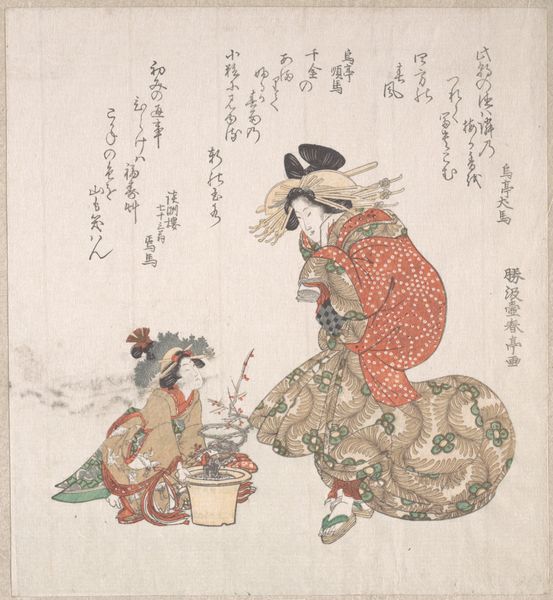
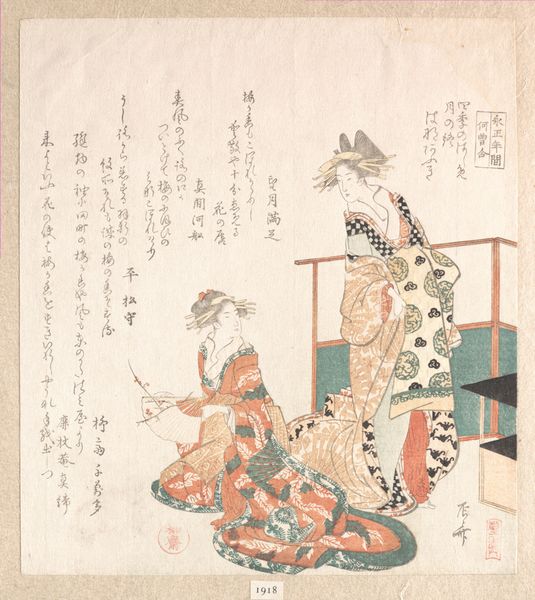
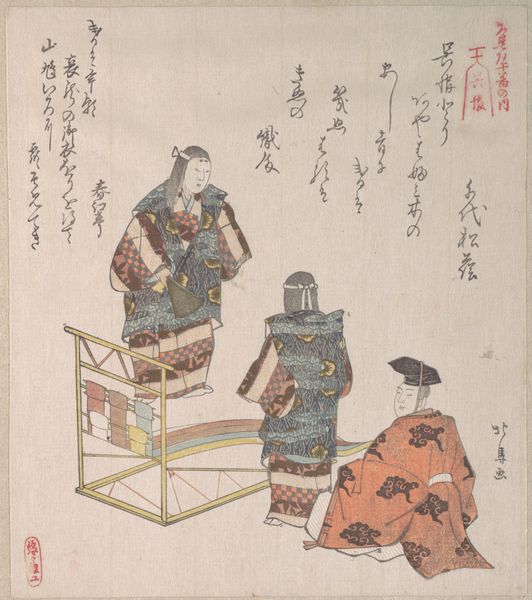
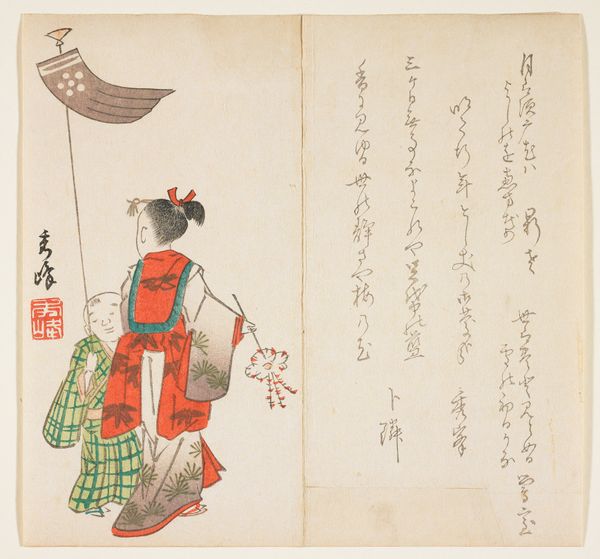
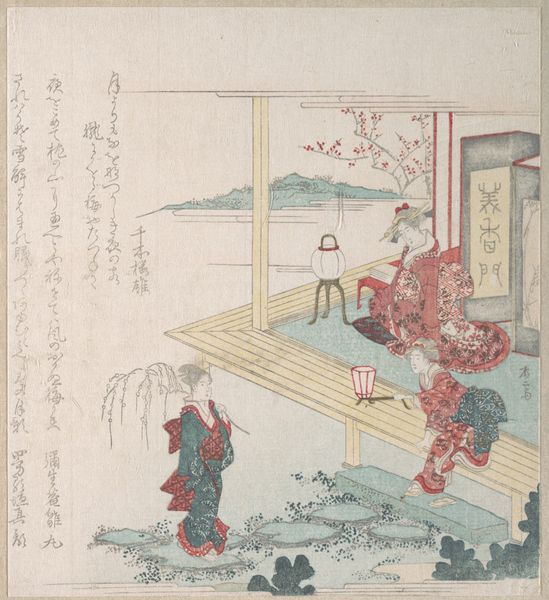
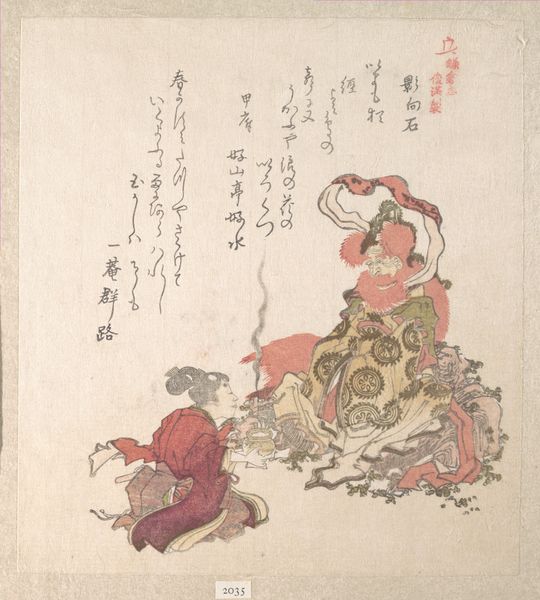
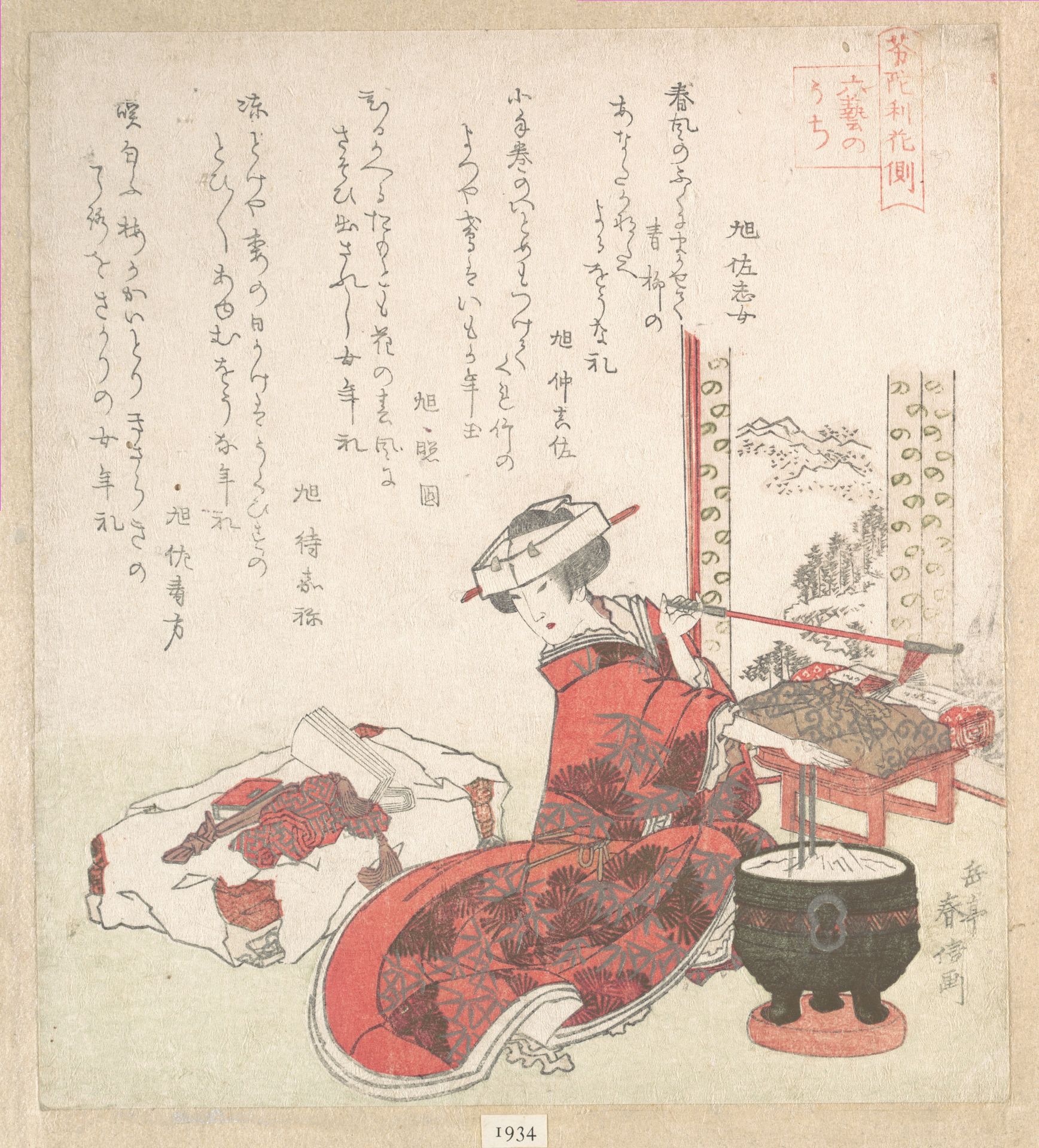
Yashima Gakutei's woodblock print depicts a courtesan, likely from the early 19th century, surrounded by symbols laden with meaning. Incense burns in a censer, its smoke rising, perhaps carrying prayers or marking time in the ephemeral world of pleasure and artifice. Consider the image of the courtesan herself. She is a potent symbol of desire, yet also of transience. This figure echoes in countless guises across cultures – from the sacred prostitutes of ancient temples to the idealized beauties of Renaissance portraits. The presence of stylized flowers, common in ukiyo-e prints, are also worth noting. There is a tension in the image, much like the complex dance between the conscious and unconscious. How does this symbol of fleeting beauty resonate with our own longing for permanence, for something that defies the relentless march of time? This is the eternal return, isn't it? The symbol's evolution reveals the enduring human fascination with desire, beauty, and the ephemeral nature of life itself.
Courtesan
1800 - 1868

Yashima Gakutei 屋島岳亭
1786 - 1868
The Metropolitan Museum of Art
Metropolitan Museum of Art, New York, NYArtwork details
- Medium
- drawing, print, ink
- Dimensions
- 8 3/16 x 7 3/8 in. (20.8 x 18.7 cm)
- Location
- Metropolitan Museum of Art, New York, NY
- Copyright
- Public Domain
Tags
Comments
Share your thoughts
About this artwork
Yashima Gakutei's woodblock print depicts a courtesan, likely from the early 19th century, surrounded by symbols laden with meaning. Incense burns in a censer, its smoke rising, perhaps carrying prayers or marking time in the ephemeral world of pleasure and artifice. Consider the image of the courtesan herself. She is a potent symbol of desire, yet also of transience. This figure echoes in countless guises across cultures – from the sacred prostitutes of ancient temples to the idealized beauties of Renaissance portraits. The presence of stylized flowers, common in ukiyo-e prints, are also worth noting. There is a tension in the image, much like the complex dance between the conscious and unconscious. How does this symbol of fleeting beauty resonate with our own longing for permanence, for something that defies the relentless march of time? This is the eternal return, isn't it? The symbol's evolution reveals the enduring human fascination with desire, beauty, and the ephemeral nature of life itself.
Comments
Share your thoughts