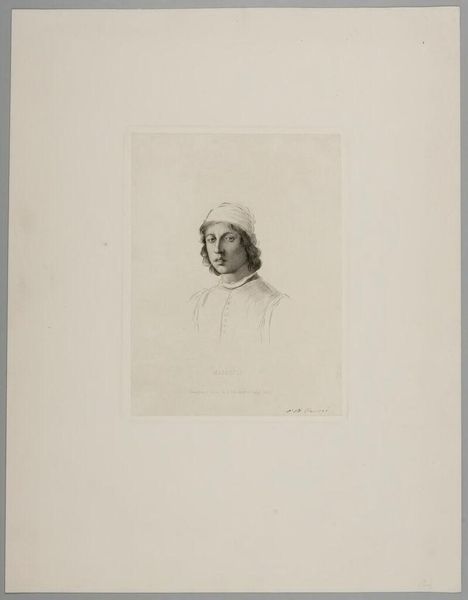
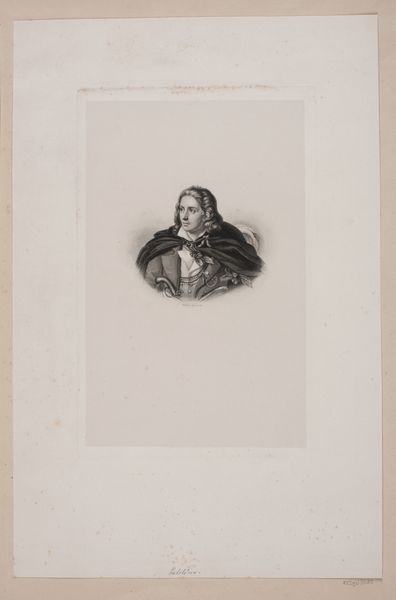
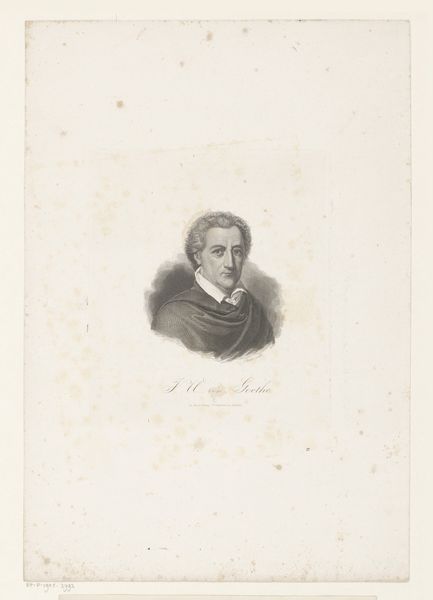
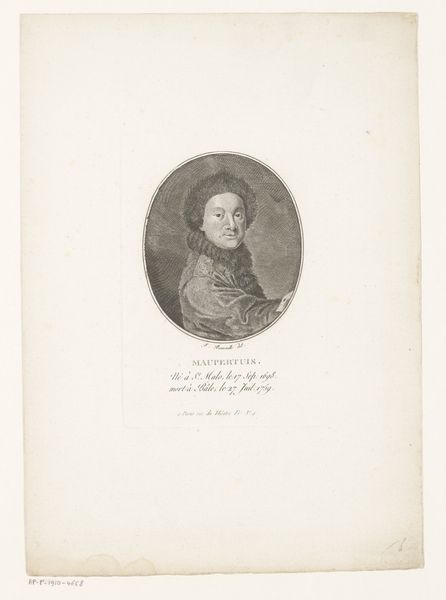
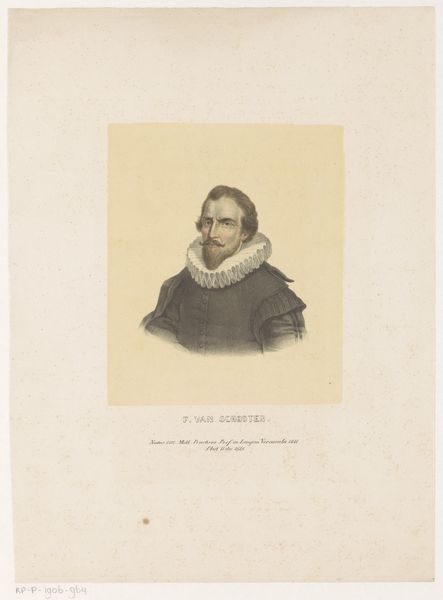
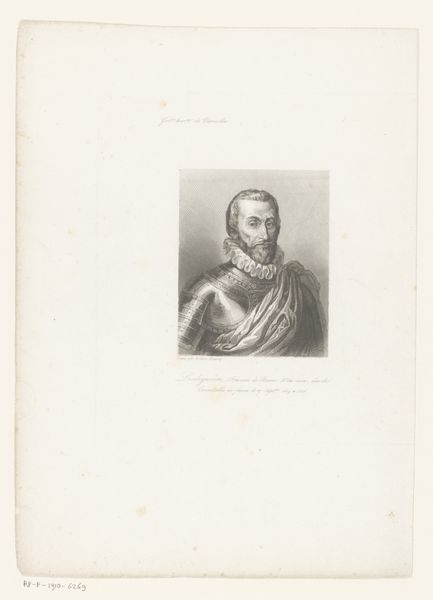
print, graphite, engraving
#
portrait
#
pencil drawn
#
light pencil work
# print
#
pencil sketch
#
old engraving style
#
graphite
#
pencil work
#
history-painting
#
academic-art
#
engraving
Dimensions: height 336 mm, width 253 mm
Copyright: Rijks Museum: Open Domain
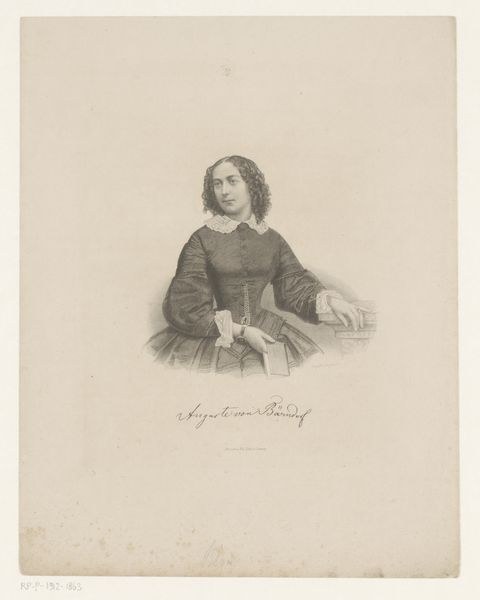
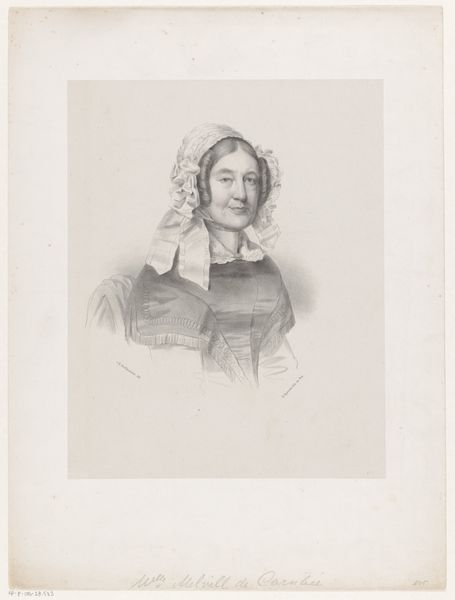
Editor: This engraving, entitled "Portret van onbekende vrouw," dates to sometime between 1809 and 1871 and is attributed to Leendert (I) Springer. The soft graphite lines give the portrait a delicate, almost ephemeral quality. What does this work suggest to you? Curator: This image reflects a pivotal moment in the history of portraiture and the broader cultural landscape of the 19th century. It invites us to consider who was deemed worthy of representation, and by whom. Notice the sitter's attire and the very formal pose, suggestive of middle-class respectability. Given that it's titled “Portrait of an Unknown Woman,” consider what social and economic factors might prevent her from being identified? Editor: That's interesting. I hadn't thought about the implications of her anonymity. So, is the act of portraying her at all a political act? Curator: Precisely. Printmaking, like engraving, made images more accessible, shifting art away from the exclusive realm of the wealthy elite. Consider this print’s circulation. How did these images shape or reinforce ideas about class, gender, and even beauty? This seemingly simple portrait can open a rich conversation about power, representation, and the democratization of art. Who gets seen, how they’re seen, and why. What do you think this piece can tell a contemporary audience? Editor: I think understanding the historical context like this gives a deeper appreciation. Now the simple act of this portrait being accessible to the public has more political importance. Thanks for shedding light on this artwork. Curator: My pleasure. It’s these subtle stories and histories embedded in artworks that often resonate the most.
Comments
No comments
Be the first to comment and join the conversation on the ultimate creative platform.
 Collect
 React
React Comment
More like this