About this artwork
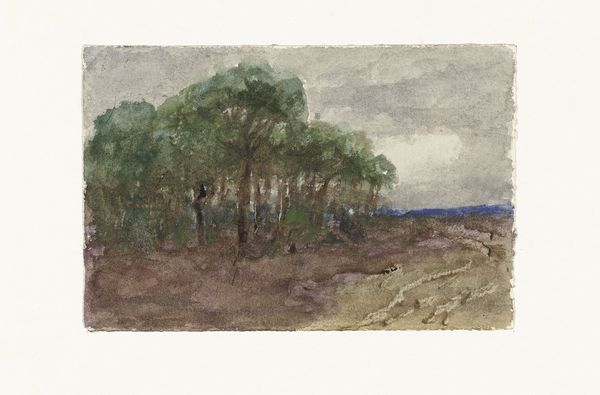
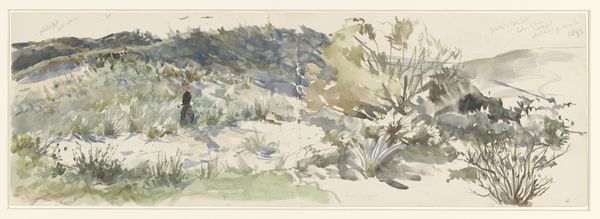
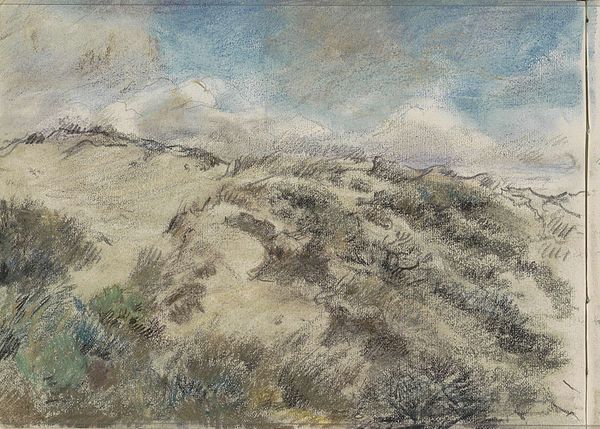
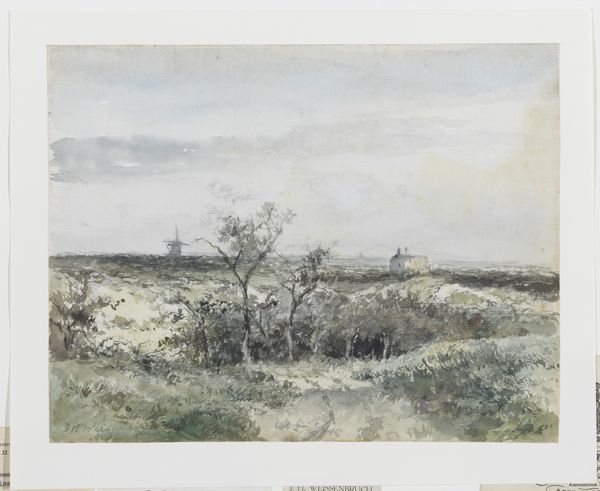
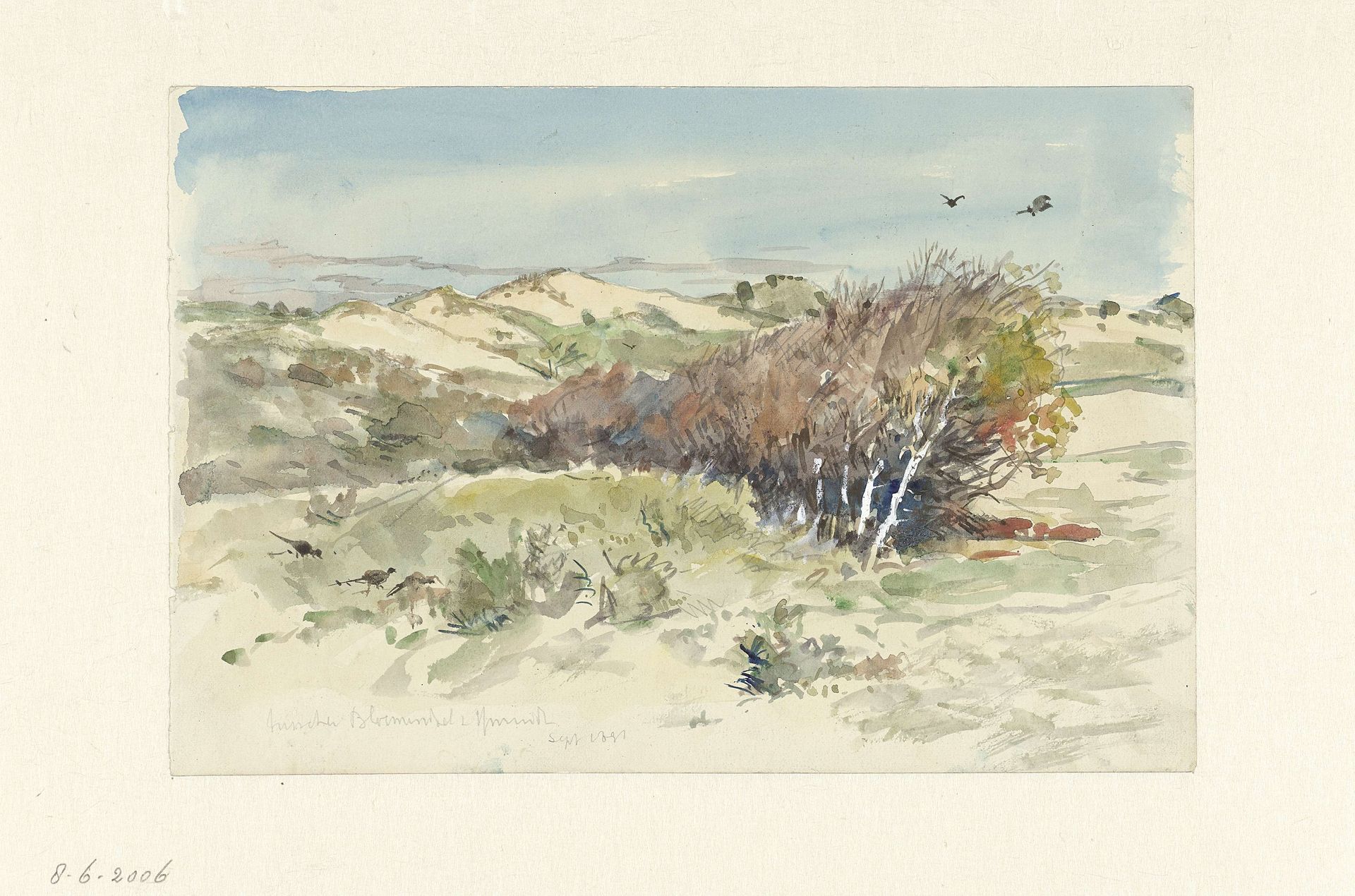
Jan Hoynck van Papendrecht made this watercolour of a Dune Landscape between Bloemendaal and IJmuiden sometime in the late nineteenth century. The painting depicts a sandy, coastal landscape, typical of the Netherlands, dominated by dunes, sparse vegetation, and a distant sea view. The loose brushwork and muted tones capture the subtle play of light and atmosphere. The scene is devoid of human presence, inviting contemplation of nature's solitude, but this natural world was fast disappearing during the artists lifetime. Hoynck van Papendrecht was interested in battle scenes and military figures and we can imagine he might have experienced the need to seek solace from the rapid militarisation of Europe at the close of the century. Art history involves understanding such personal responses but also requires knowledge of the landscape's cultural significance. Archival documents, maps, and period writings help reveal its changing social and ecological roles.
Duinlandschap tussen Bloemendaal en IJmuiden
1891 - 1899

Artwork details
- Dimensions
- height 175 mm, width 262 mm
- Copyright
- Rijks Museum: Open Domain
Comments
Share your thoughts
About this artwork
Jan Hoynck van Papendrecht made this watercolour of a Dune Landscape between Bloemendaal and IJmuiden sometime in the late nineteenth century. The painting depicts a sandy, coastal landscape, typical of the Netherlands, dominated by dunes, sparse vegetation, and a distant sea view. The loose brushwork and muted tones capture the subtle play of light and atmosphere. The scene is devoid of human presence, inviting contemplation of nature's solitude, but this natural world was fast disappearing during the artists lifetime. Hoynck van Papendrecht was interested in battle scenes and military figures and we can imagine he might have experienced the need to seek solace from the rapid militarisation of Europe at the close of the century. Art history involves understanding such personal responses but also requires knowledge of the landscape's cultural significance. Archival documents, maps, and period writings help reveal its changing social and ecological roles.
Comments
Share your thoughts