About this artwork
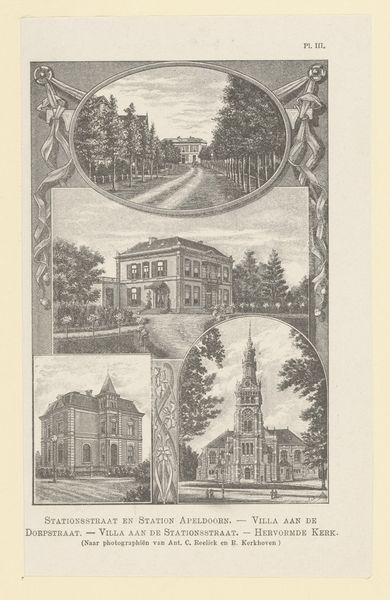
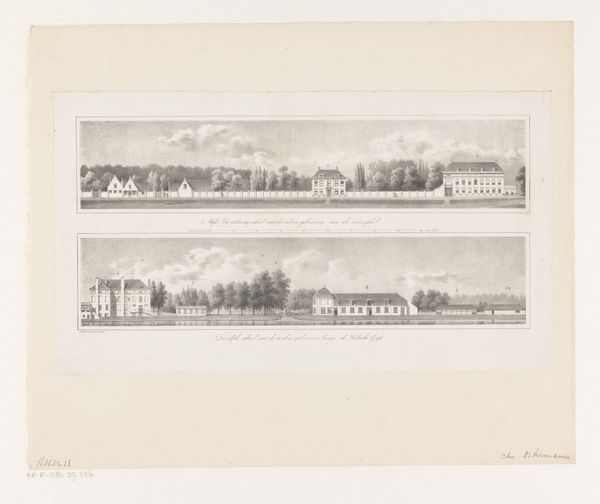
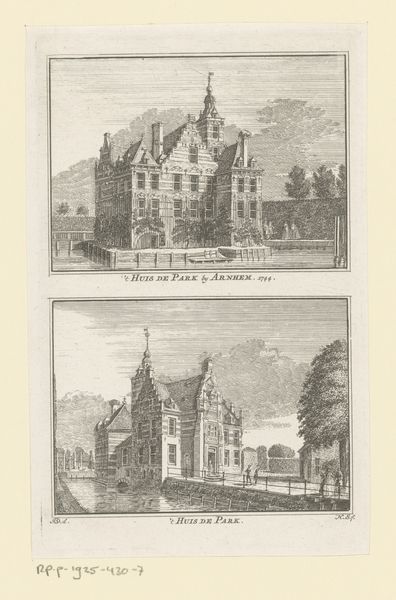
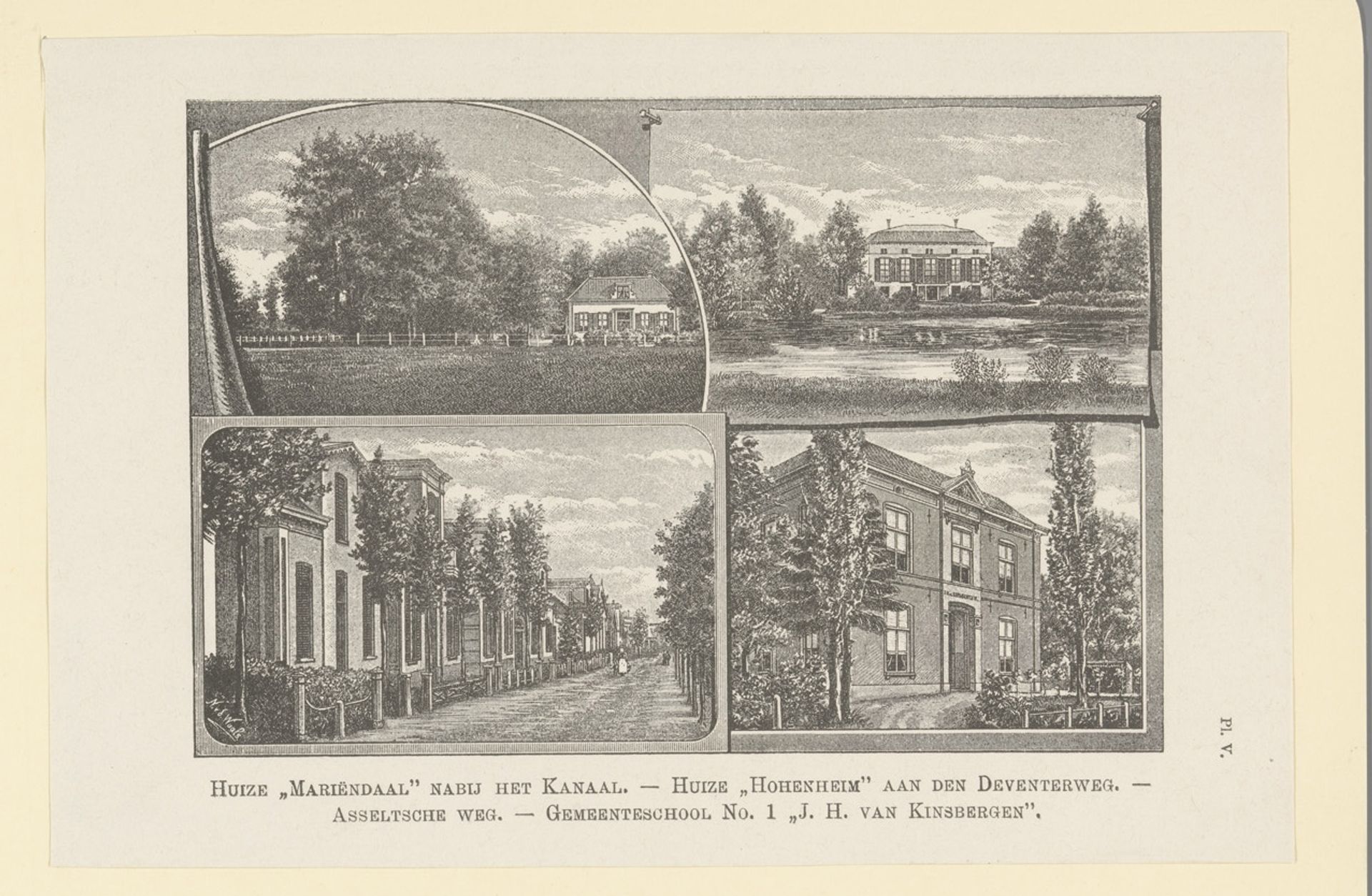
Noach van der Waals made this print, "Gezichten in de omgeving van Apeldoorn", using etching, a technique common in the Netherlands, though we don't know exactly when. The print shows different buildings in the Apeldoorn area of the Netherlands. The choice of subject matter might tell us something about the values of the time. Two of the buildings pictured are houses, likely owned by wealthy families, while another is a school. These buildings, presented without people, suggest a particular vision of Dutch society, one focused on property, education, and perhaps, a subtle promotion of the social order. Van der Waals seems to be pointing to education as a key ingredient of social life. The buildings’ architecture provides clues, too. To understand this image better, we might delve into local archives, looking at records of land ownership and school development. Such research can reveal the social and institutional context that gave this seemingly simple print its meaning.

Artwork details
- Medium
- print, etching
- Dimensions
- height 192 mm, width 129 mm
- Copyright
- Rijks Museum: Open Domain
Tags
Comments
Share your thoughts
About this artwork
Noach van der Waals made this print, "Gezichten in de omgeving van Apeldoorn", using etching, a technique common in the Netherlands, though we don't know exactly when. The print shows different buildings in the Apeldoorn area of the Netherlands. The choice of subject matter might tell us something about the values of the time. Two of the buildings pictured are houses, likely owned by wealthy families, while another is a school. These buildings, presented without people, suggest a particular vision of Dutch society, one focused on property, education, and perhaps, a subtle promotion of the social order. Van der Waals seems to be pointing to education as a key ingredient of social life. The buildings’ architecture provides clues, too. To understand this image better, we might delve into local archives, looking at records of land ownership and school development. Such research can reveal the social and institutional context that gave this seemingly simple print its meaning.
Comments
Share your thoughts