About this artwork
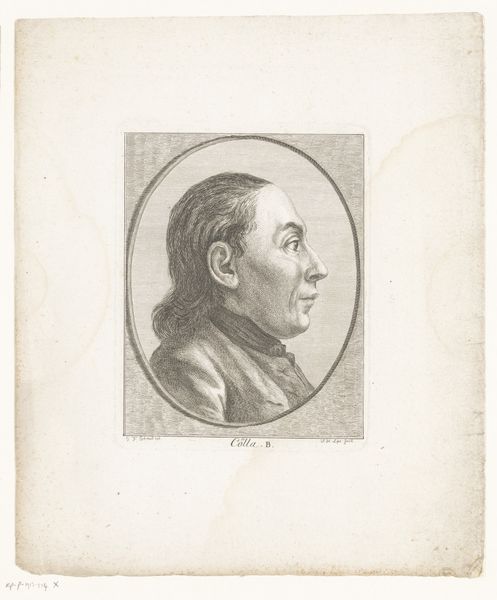
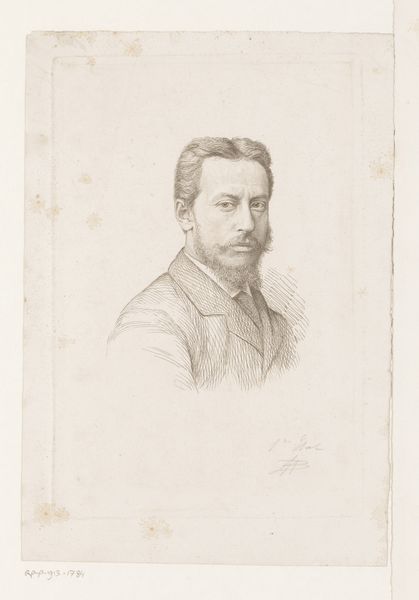
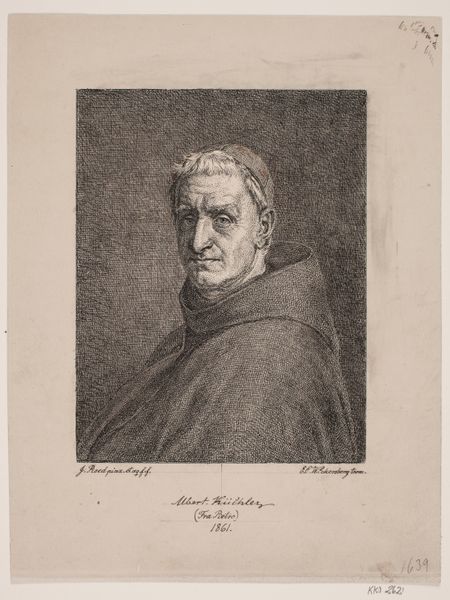
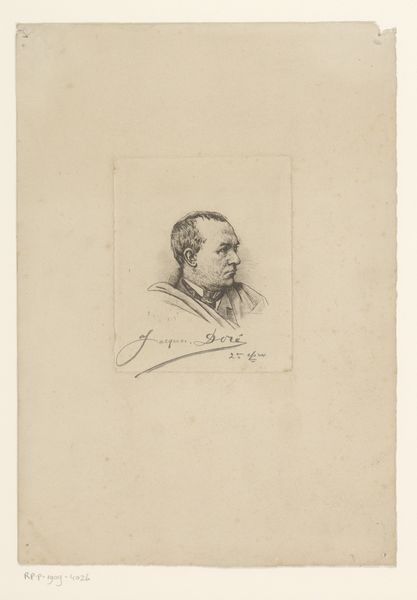
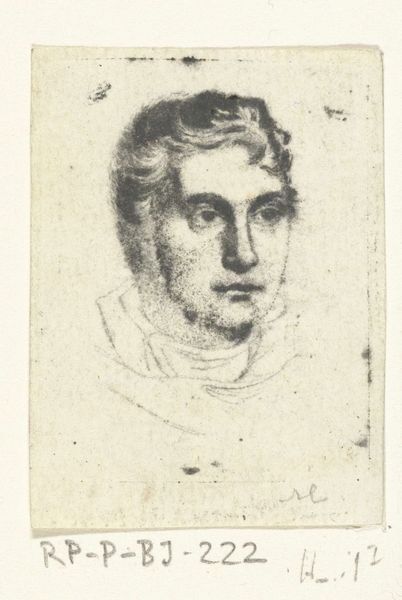
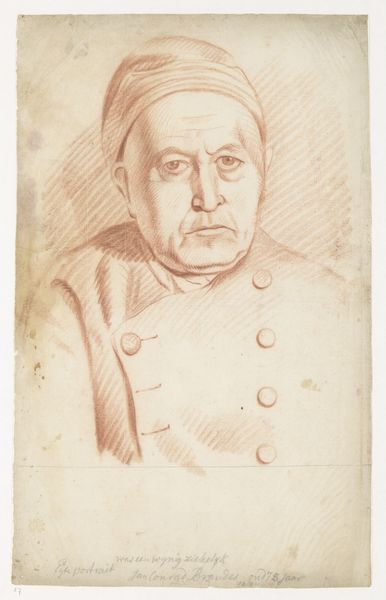
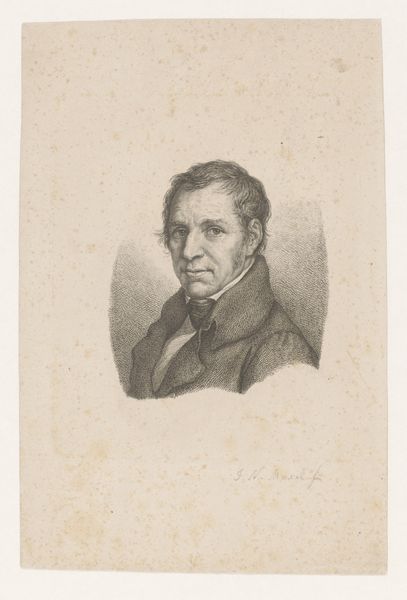
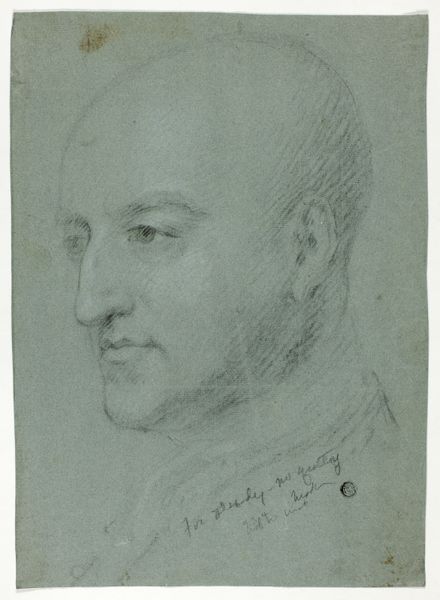
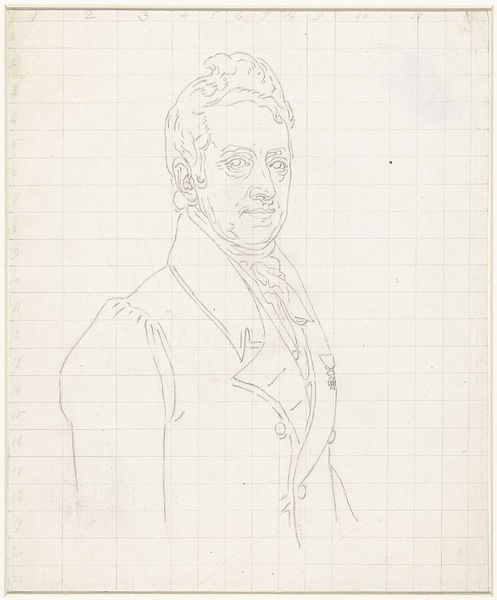
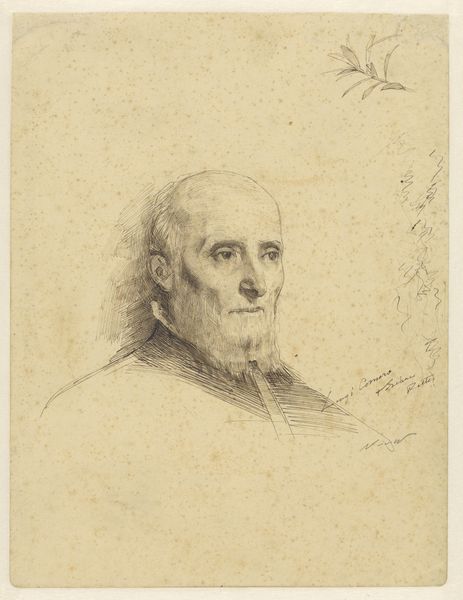
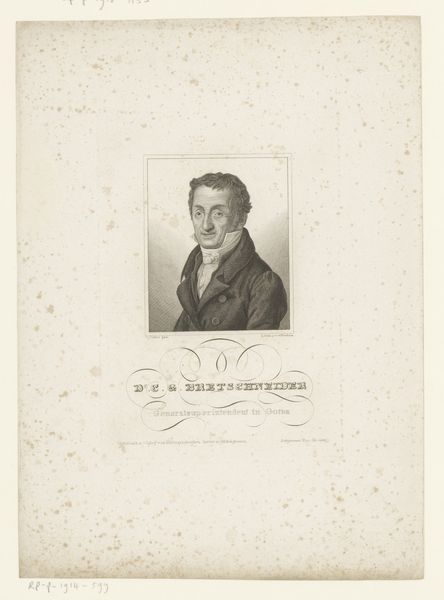
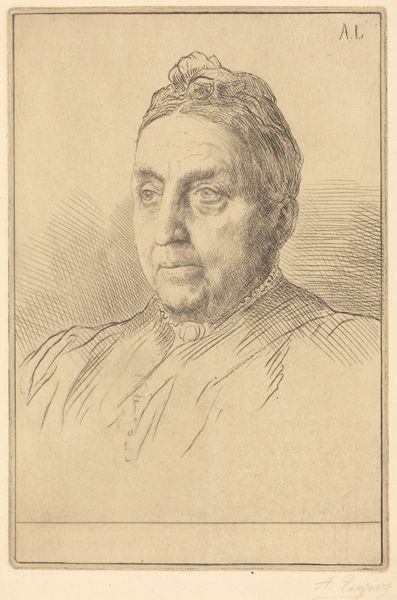
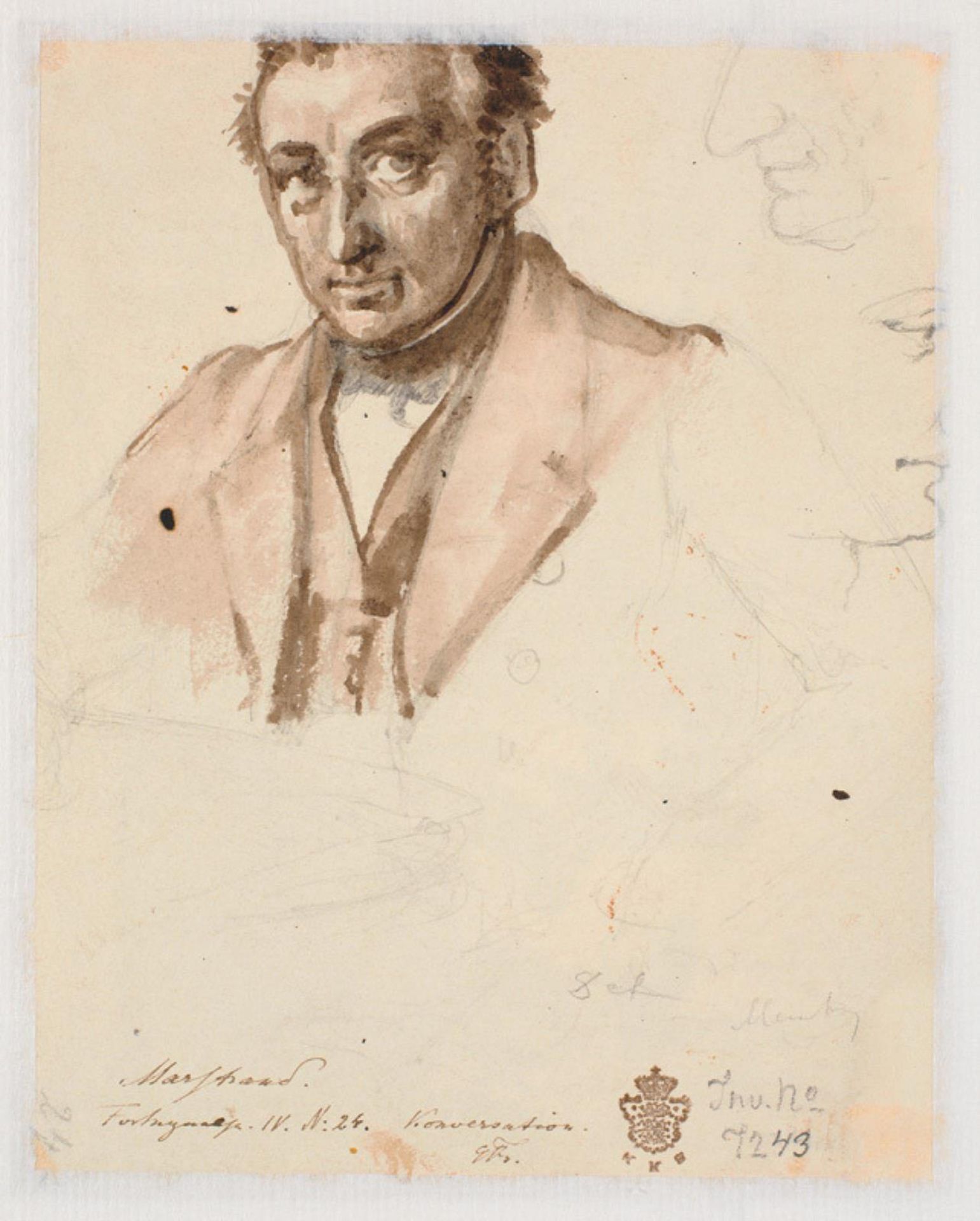
This is a watercolor portrait by Wilhelm Marstrand, made sometime in the 19th century. Note the gaze of the main figure: it is direct and penetrating, a symbol of self-assurance. This gaze reminds us of the Roman bust portraits, where the eyes were key to capturing the sitter's essence. Consider how portraiture, since antiquity, serves not just as a record but as a declaration of identity and status. This intense gaze is echoed through time; in ancient sculptures, Renaissance paintings, and even modern photography. Each era imbues it with new layers of meaning. Think about the psychological power of the eyes: they are a window to the soul. This portrait, much like those of emperors and philosophers, seeks to convey inner strength and authority. The persistence of this motif across millennia suggests a deep, subconscious desire to connect with the viewer on a profound, emotional level. It is a primal form of communication, transcending time itself.
Mandsportræt og to profiler
1810 - 1873


Artwork details
- Medium
- drawing, watercolor
- Dimensions
- 168 mm (height) x 134 mm (width) (bladmaal)
- Location
- SMK - Statens Museum for Kunst
Tags
Comments
Share your thoughts
About this artwork
This is a watercolor portrait by Wilhelm Marstrand, made sometime in the 19th century. Note the gaze of the main figure: it is direct and penetrating, a symbol of self-assurance. This gaze reminds us of the Roman bust portraits, where the eyes were key to capturing the sitter's essence. Consider how portraiture, since antiquity, serves not just as a record but as a declaration of identity and status. This intense gaze is echoed through time; in ancient sculptures, Renaissance paintings, and even modern photography. Each era imbues it with new layers of meaning. Think about the psychological power of the eyes: they are a window to the soul. This portrait, much like those of emperors and philosophers, seeks to convey inner strength and authority. The persistence of this motif across millennia suggests a deep, subconscious desire to connect with the viewer on a profound, emotional level. It is a primal form of communication, transcending time itself.
Comments
Share your thoughts