before 1650
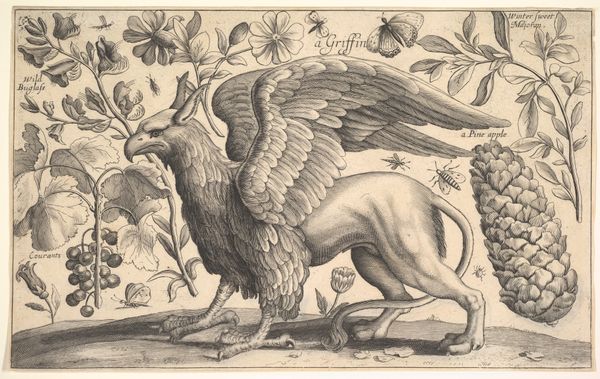
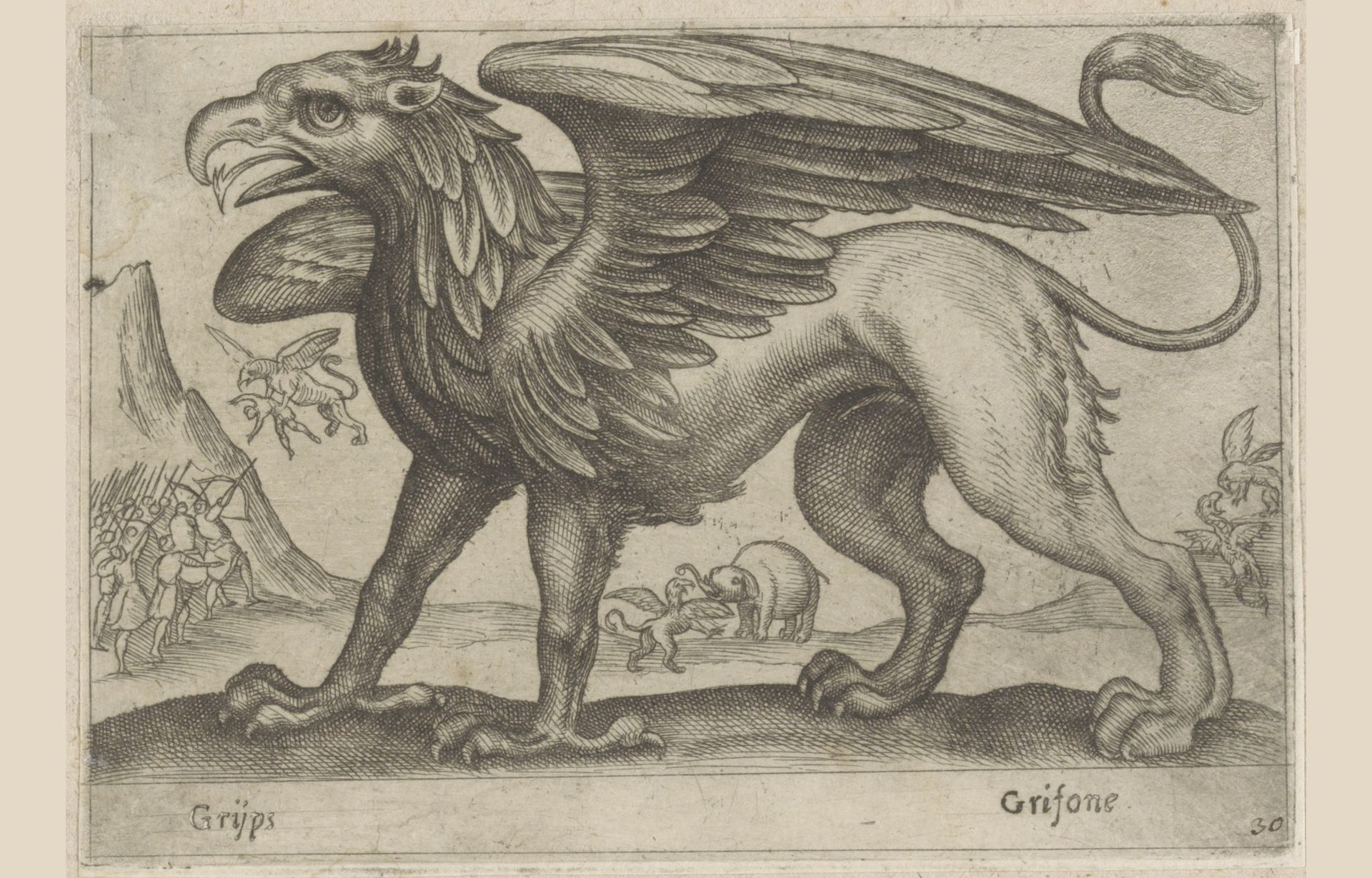
Griffioen

Antonio Tempesta
1555 - 1630Location
RijksmuseumListen to curator's interpretation
Curatorial notes
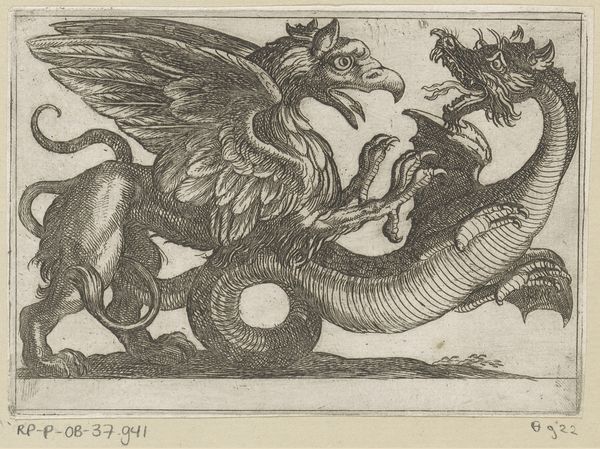
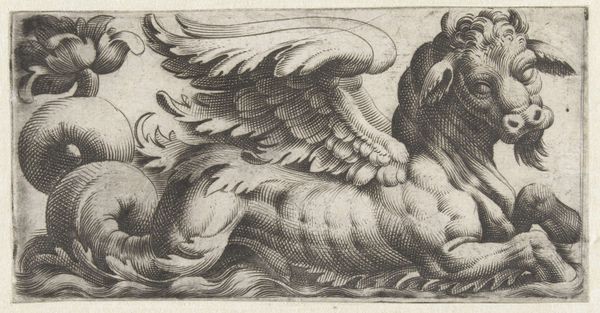
Antonio Tempesta made this engraving of a Griffioen, or Griffin, sometime between 1570 and 1630. We can see a mythological creature with the body of a lion and the head and wings of an eagle. But what does it mean? This image comes to us from a time of exploration and discovery when the world seemed full of strange and exotic creatures. Illustrated books, bestiaries, and encyclopedias, were popular. These mixed observation with folklore and the power of the imagination. The Griffin, an ancient symbol, often appears in heraldry and coats of arms, representing courage, vigilance, and strength. Tempesta was an Italian artist working at a time when printmaking was becoming a major industry, so the image would have circulated widely. By studying these images, and the contexts in which they were made and consumed, we can better understand the intersection of art, science, and belief in early modern Europe. It's a fascinating window into a world in transition, where the boundaries between reality and fantasy were often blurred.