About this artwork
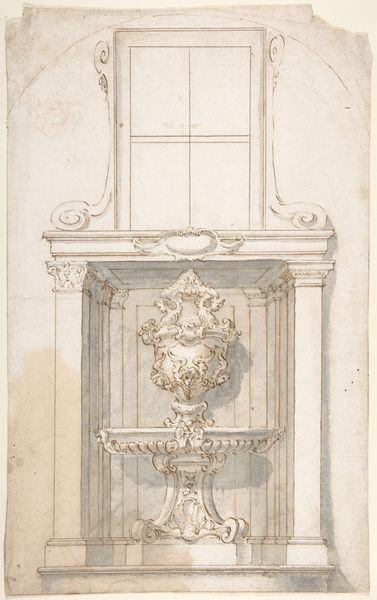
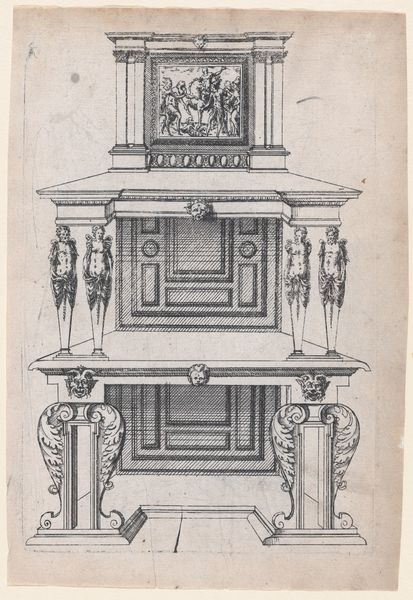
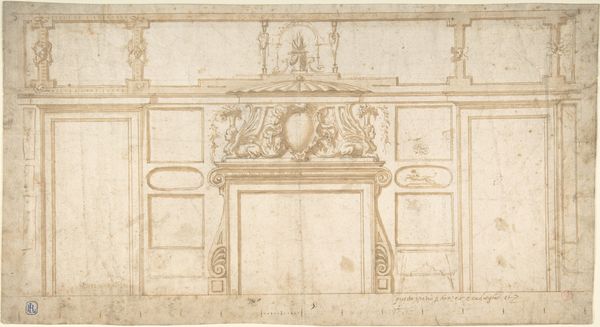
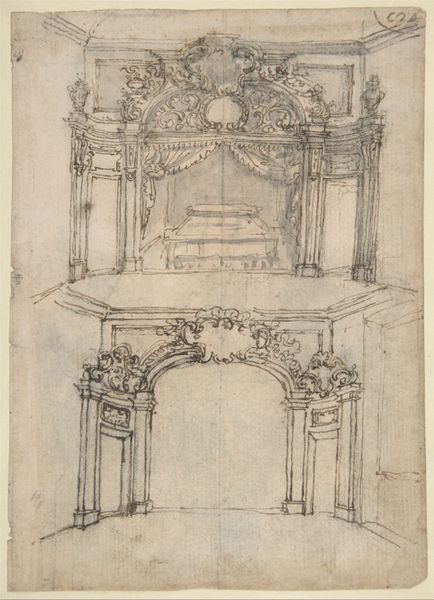
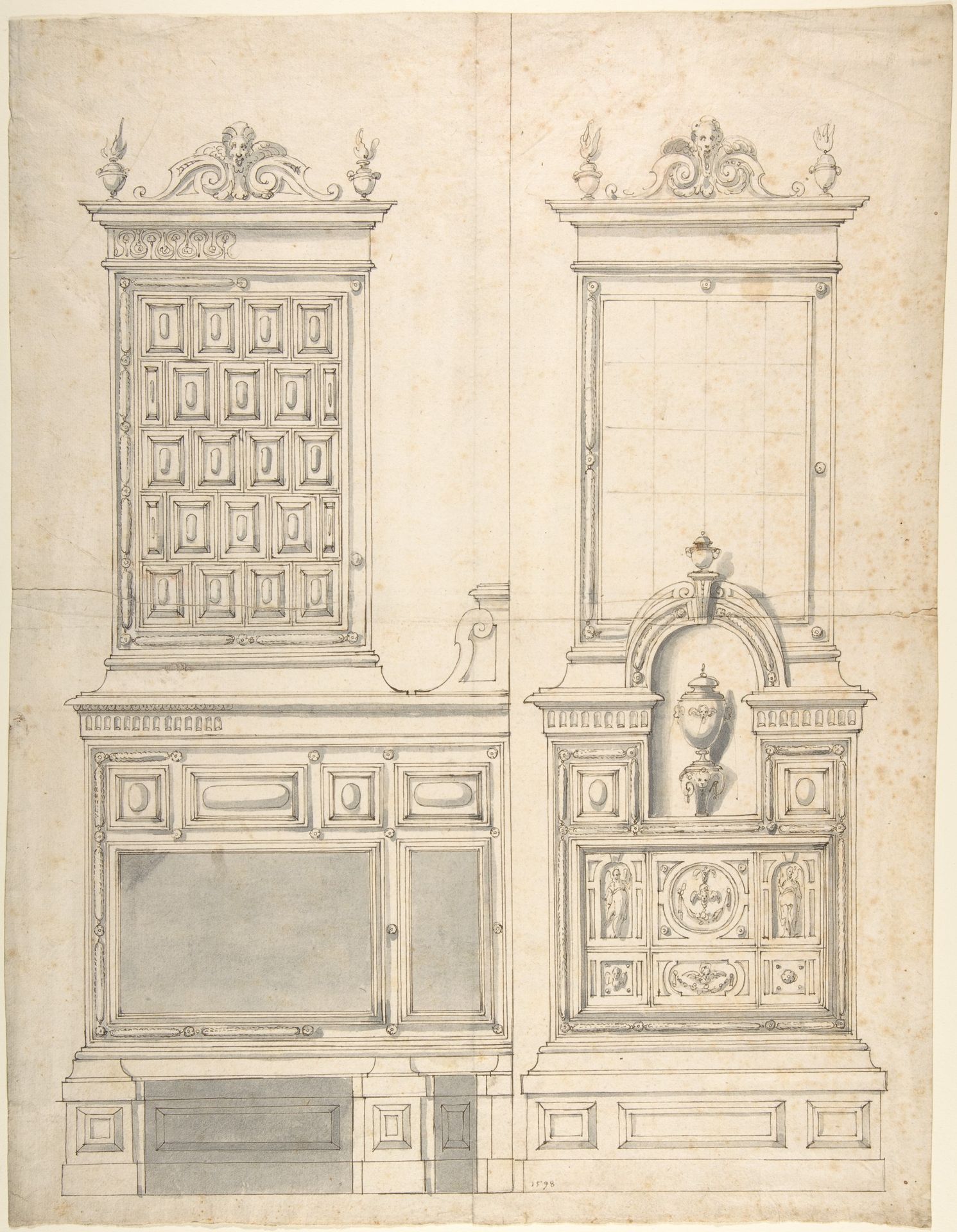
Friedrich Sustris made this drawing of a stove and wall fountain in pen and gray ink, with gray wash, during the late 16th century. It provides a fascinating glimpse into the material culture and domestic life of the European elite. Sustris was working at a time when wealthy patrons sought to display their status through elaborate architectural features and interior design. The design incorporates classical motifs, reflecting the influence of the Renaissance on European art and culture. The fountain, in particular, evokes the grandeur of ancient Roman bathhouses and villas, while the stove may have been influenced by the northern fashion for tile stoves. To understand the context of this drawing, one might investigate the fashion for interior design among wealthy European families and the status of the artist within the courtly or aristocratic system. By studying the social and institutional context, we can better appreciate the design not only as a work of art but as a product of cultural forces.
Design for a Stove and Wall Fountain (?) 1598


Artwork details
- Medium
- drawing, print, pencil, architecture
- Dimensions
- 15 3/4 x 12 3/16 in. (40 x 30.9 cm)
- Location
- Metropolitan Museum of Art, New York, NY
- Copyright
- Public Domain
Tags
drawing
pencil sketch
etching
11_renaissance
pencil
italian-renaissance
architecture
Comments
No comments
About this artwork
Friedrich Sustris made this drawing of a stove and wall fountain in pen and gray ink, with gray wash, during the late 16th century. It provides a fascinating glimpse into the material culture and domestic life of the European elite. Sustris was working at a time when wealthy patrons sought to display their status through elaborate architectural features and interior design. The design incorporates classical motifs, reflecting the influence of the Renaissance on European art and culture. The fountain, in particular, evokes the grandeur of ancient Roman bathhouses and villas, while the stove may have been influenced by the northern fashion for tile stoves. To understand the context of this drawing, one might investigate the fashion for interior design among wealthy European families and the status of the artist within the courtly or aristocratic system. By studying the social and institutional context, we can better appreciate the design not only as a work of art but as a product of cultural forces.
Comments
No comments