About this artwork
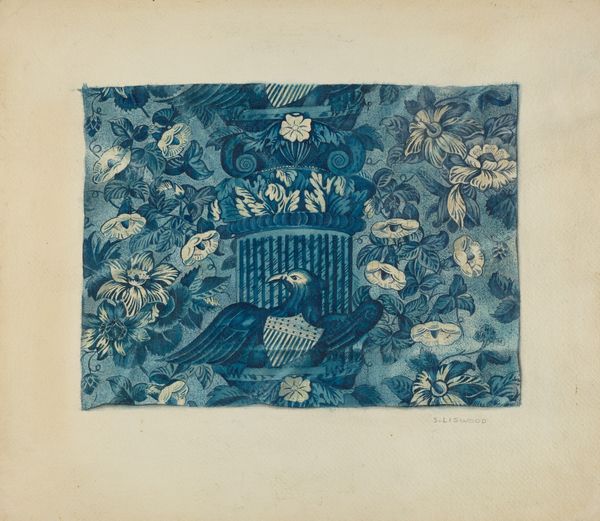
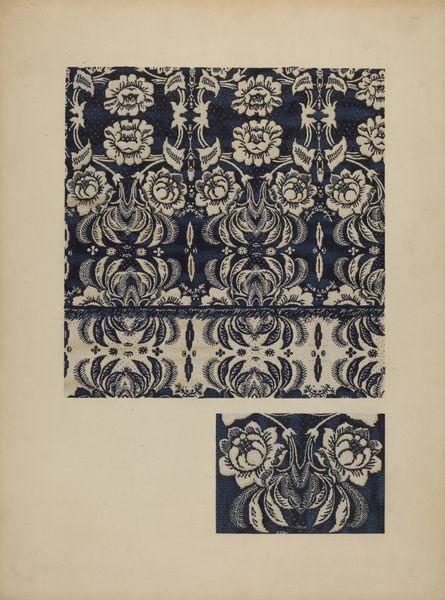
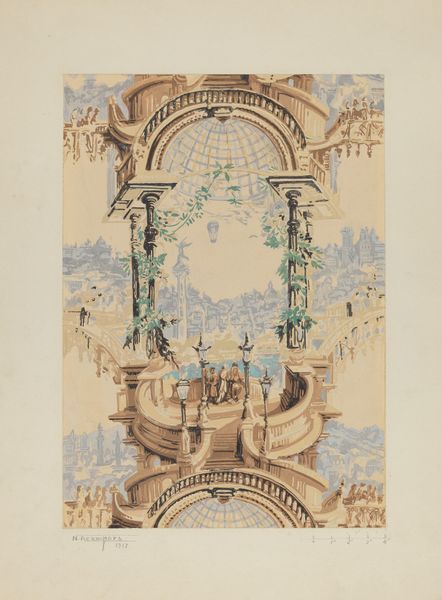
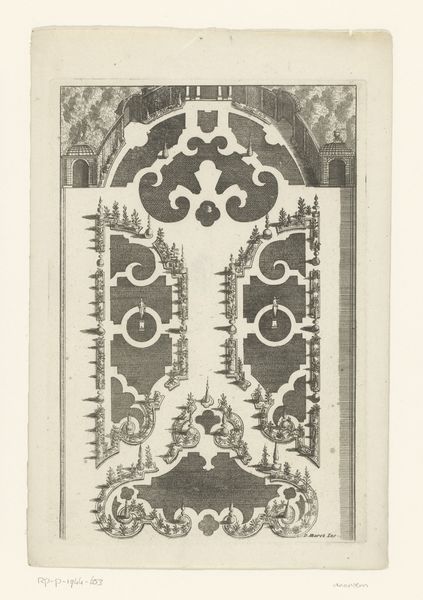
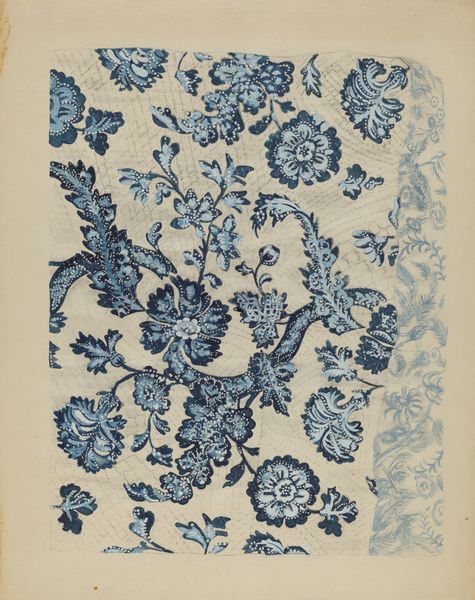
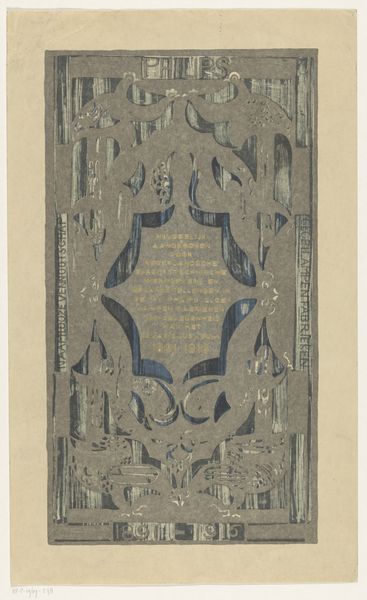
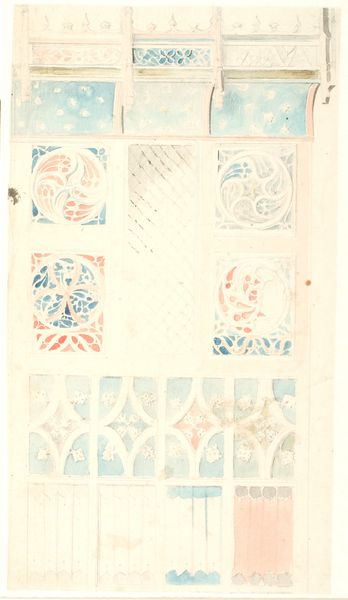
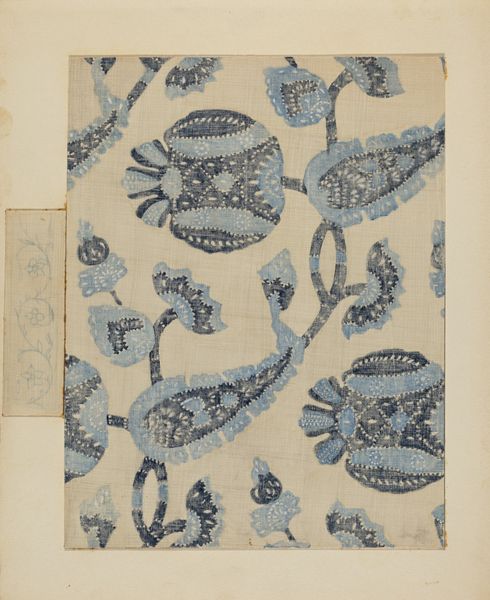
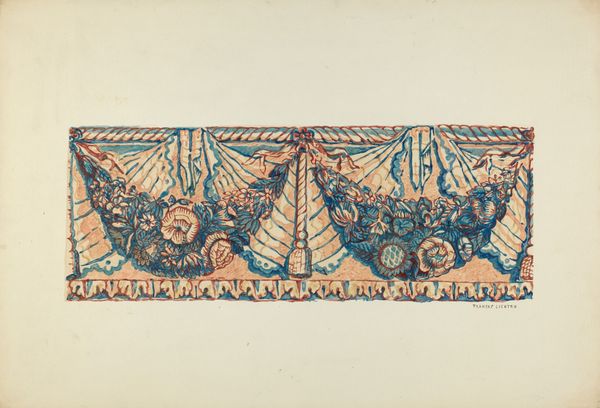
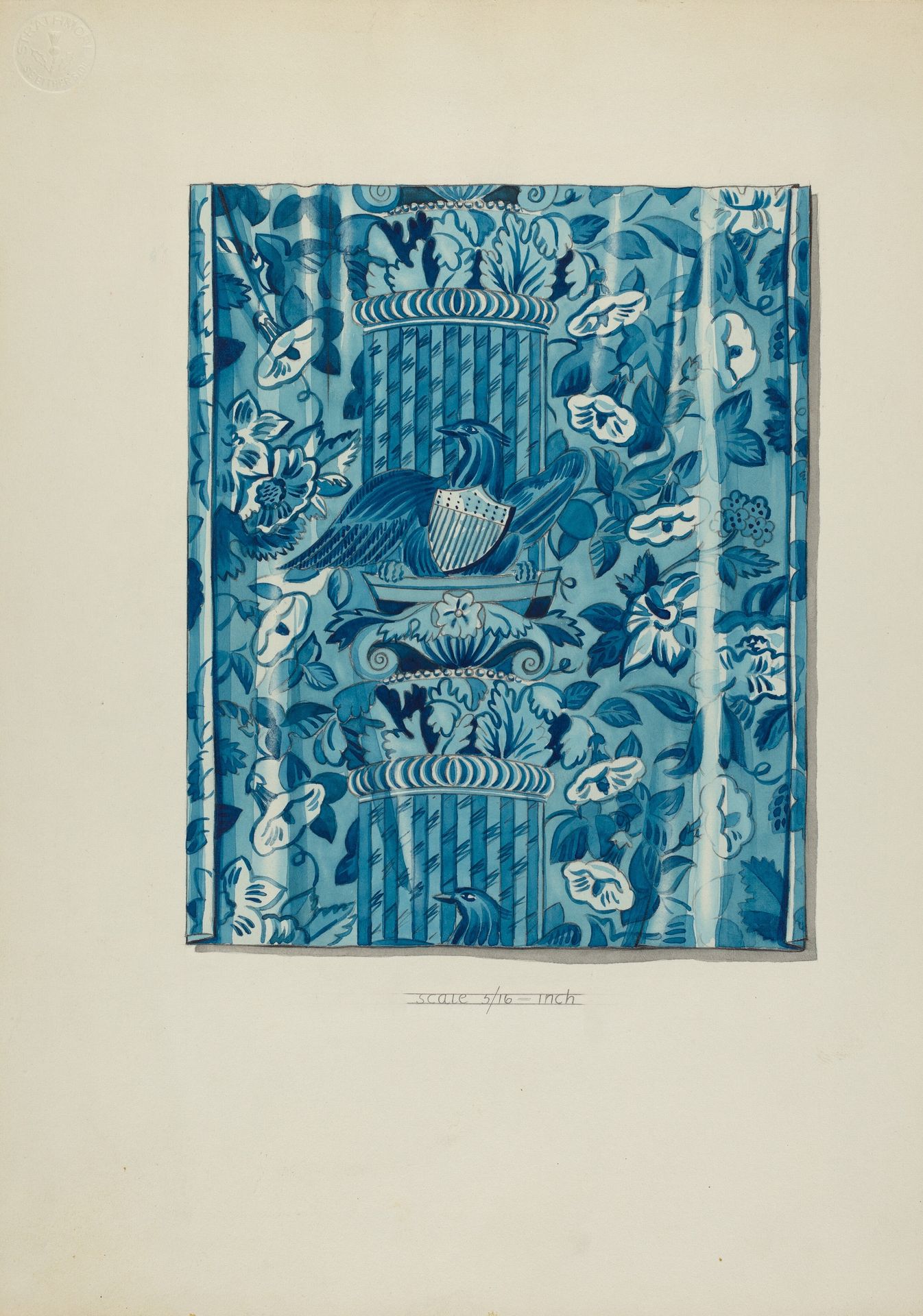
James Vail created this textile design, we don't know when, using watercolor and graphite on paper. It’s a sea of blues and whites, floral patterns intermingling with classical columns and birds, creating a complex composition that feels both historical and somehow very contemporary. Looking closely, the watercolor is applied with a light touch, almost translucent in areas, allowing the paper’s texture to peek through. The blues range from deep indigo to the palest sky, creating a sense of depth and movement across the surface. I'm drawn to the bird perched on top of one of the columns, with the patriotic shield motif on its chest. It's a detail that adds a layer of narrative to the overall design. This piece reminds me of the work of designers like William Morris, who combined nature with decorative arts. It's a reminder that art is always in conversation with what came before, and that the most interesting work often comes from these kinds of exchanges.


Artwork details
- Medium
- drawing, textile, watercolor
- Dimensions
- overall: 36 x 25.3 cm (14 3/16 x 9 15/16 in.)
- Copyright
- National Gallery of Art: CC0 1.0
Tags
drawing
textile
watercolor
decorative-art
Comments
No comments
About this artwork
James Vail created this textile design, we don't know when, using watercolor and graphite on paper. It’s a sea of blues and whites, floral patterns intermingling with classical columns and birds, creating a complex composition that feels both historical and somehow very contemporary. Looking closely, the watercolor is applied with a light touch, almost translucent in areas, allowing the paper’s texture to peek through. The blues range from deep indigo to the palest sky, creating a sense of depth and movement across the surface. I'm drawn to the bird perched on top of one of the columns, with the patriotic shield motif on its chest. It's a detail that adds a layer of narrative to the overall design. This piece reminds me of the work of designers like William Morris, who combined nature with decorative arts. It's a reminder that art is always in conversation with what came before, and that the most interesting work often comes from these kinds of exchanges.
Comments
No comments