1586
Riviergod Ligeris

Philips Galle
1537 - 1612Location
RijksmuseumListen to curator's interpretation
Curatorial notes
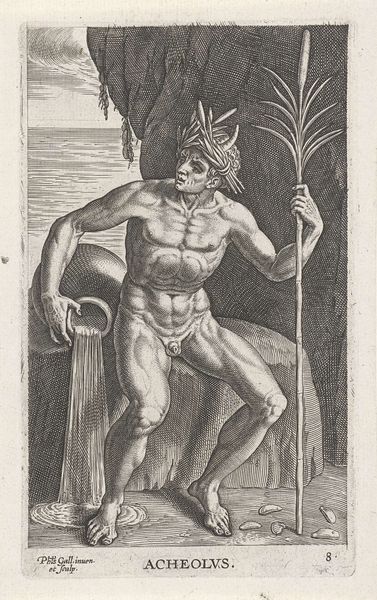
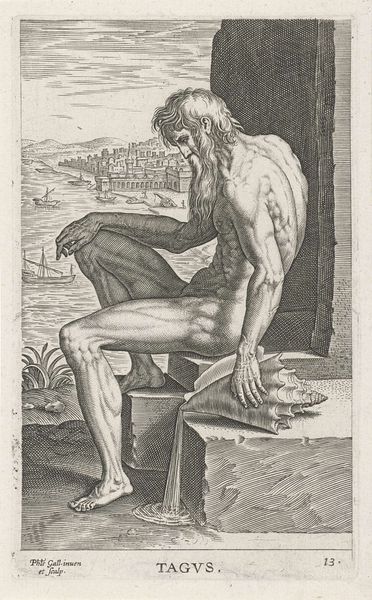
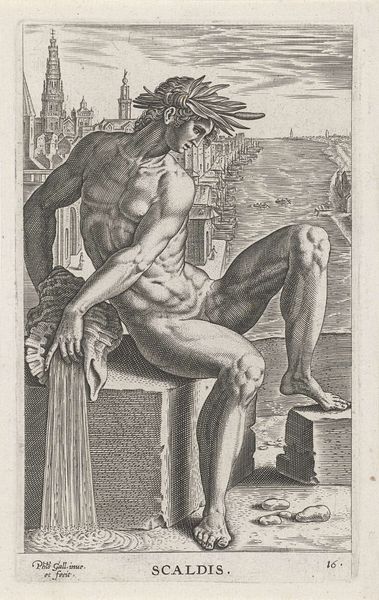
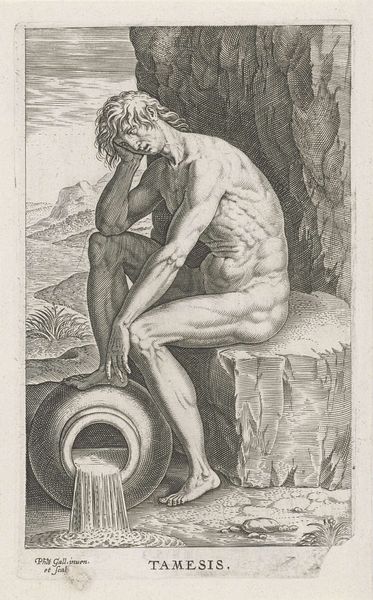
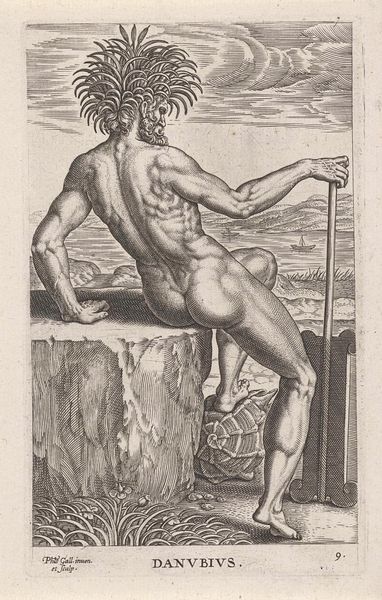
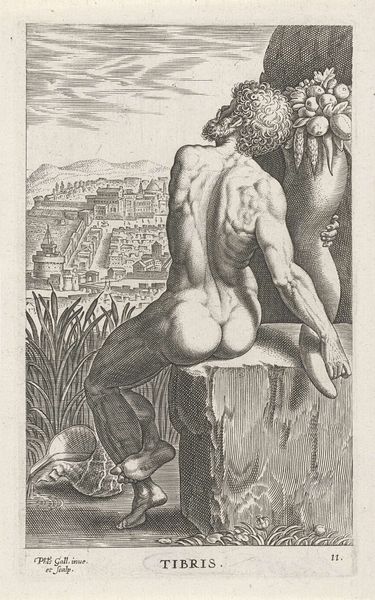
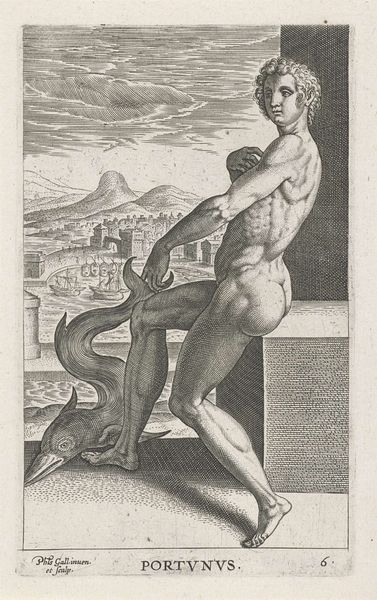
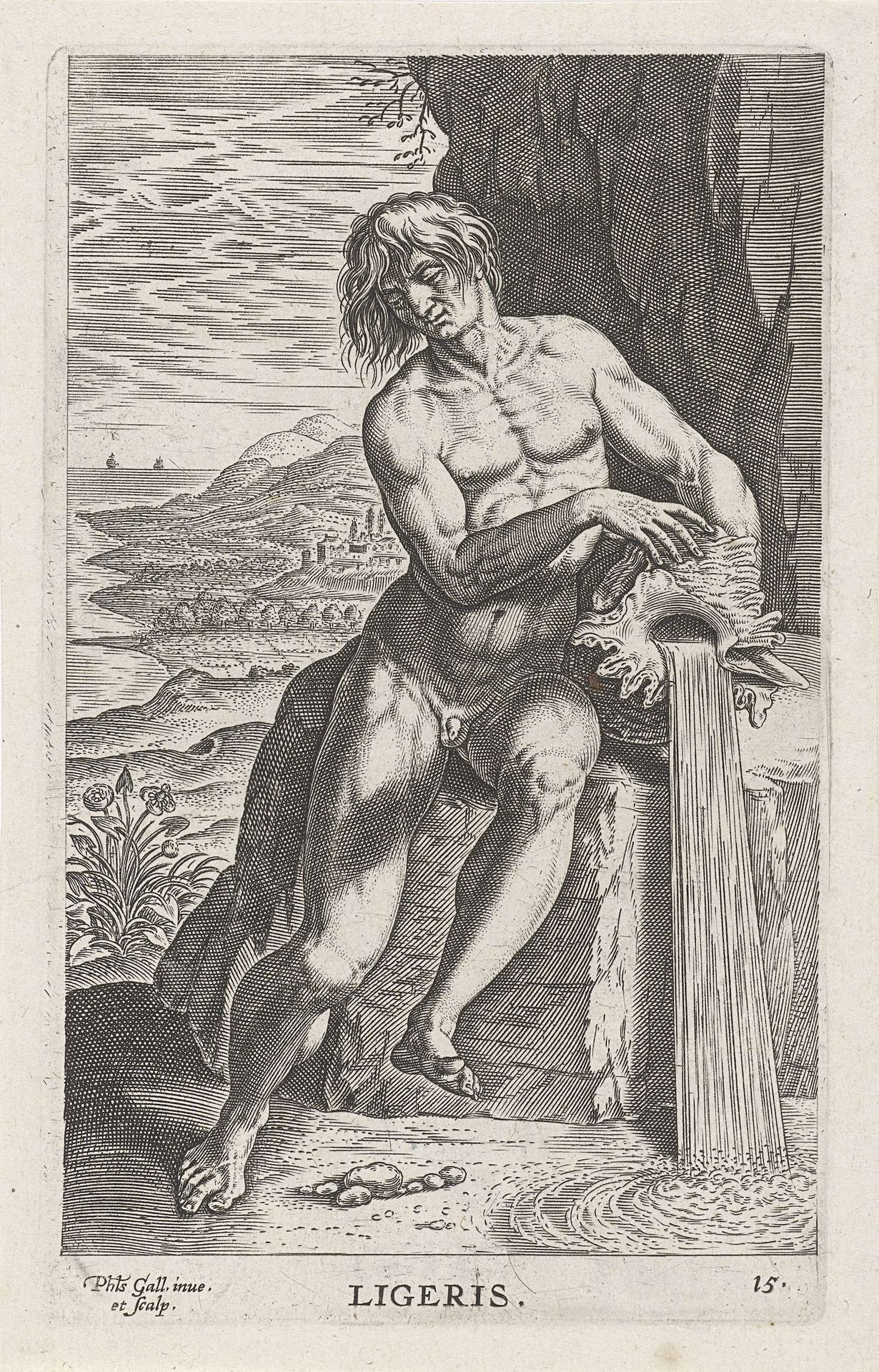
Philips Galle made this engraving of Riviergod Ligeris, or River God Loire, in the Netherlands, sometime in the late 16th century. It's an image that tells us a lot about the cultural priorities of the time. The figure of the river god is depicted nude in the classical style, with flowing water issuing from an urn in his arm. In the background, we see a landscape with a city. This combination of classical and regional elements speaks to the humanist culture of the Northern Renaissance. The classical style, imported from Italy, was seen as the height of sophistication. However, Galle was also interested in his own local geography, depicting one of the major rivers in France. This engraving, like others of its time, reflects a growing sense of regional identity. As historians, we can look at prints like this to understand the complex interplay of classical and local influences in early modern Europe. Examining how artists engaged with both classical forms and their own environments provides insights into the cultural values of the time.