c. 1738
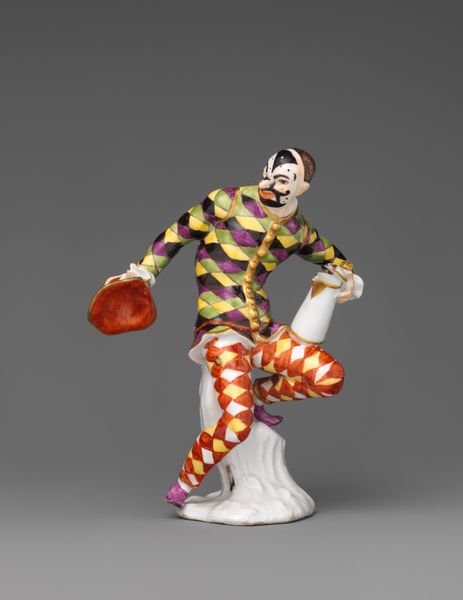
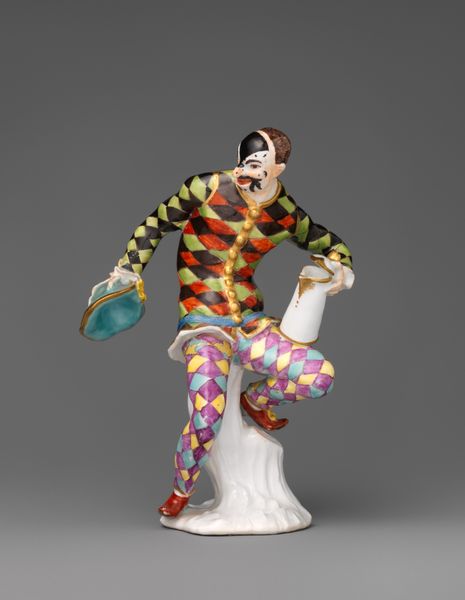
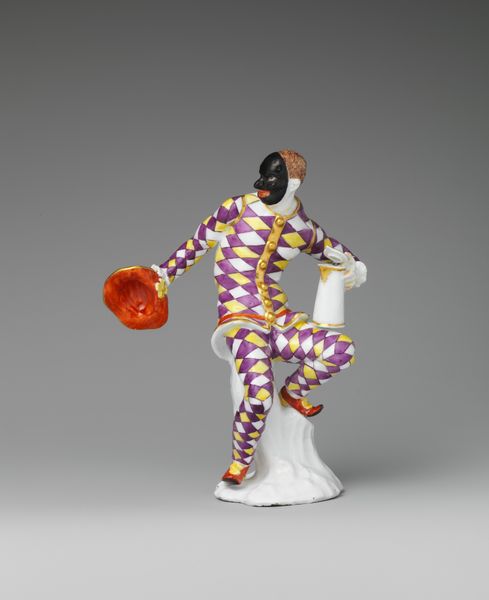
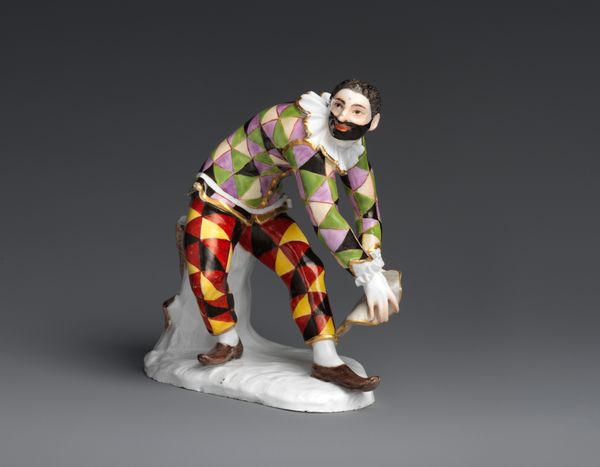
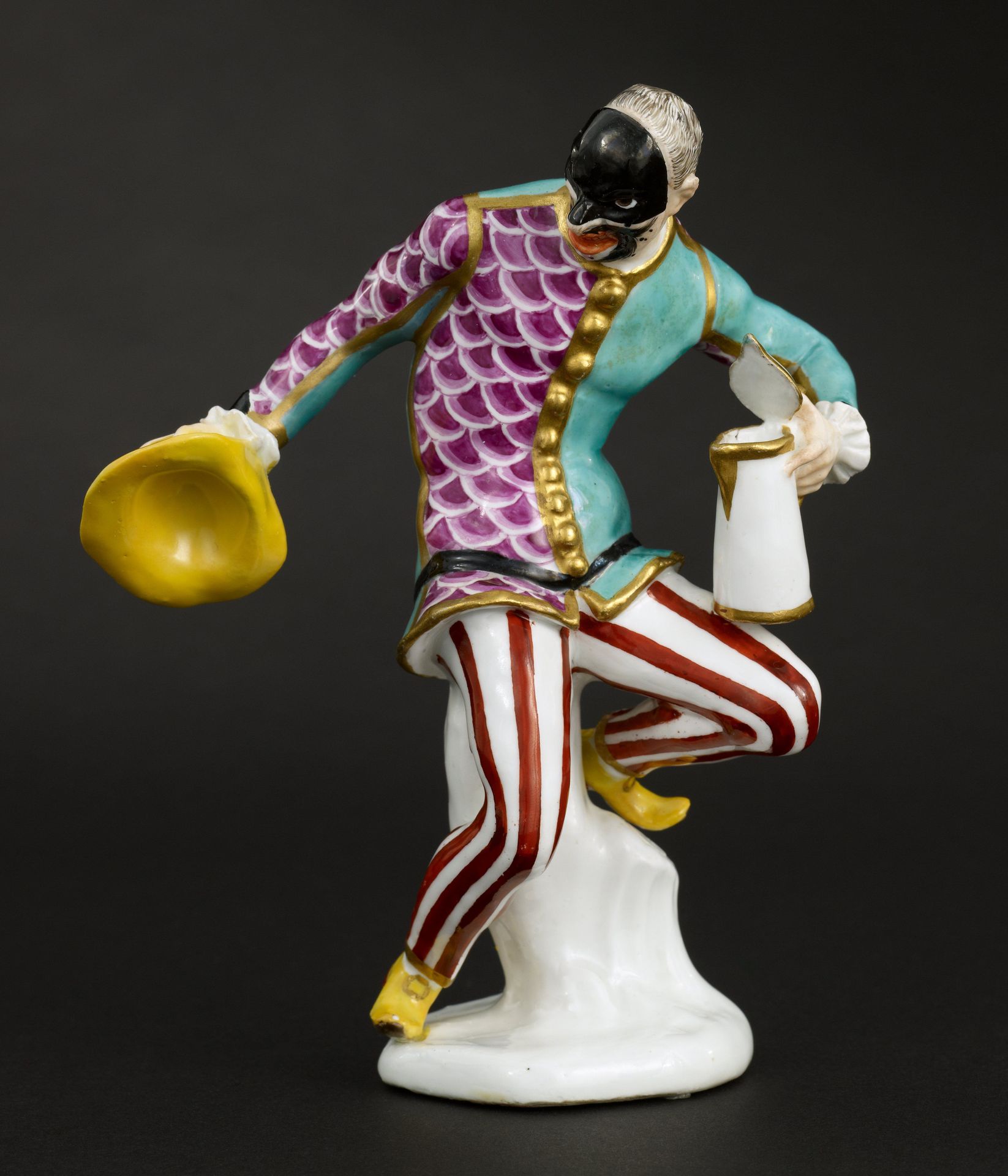
Harlequin with jug


Listen to curator's interpretation
Curatorial notes
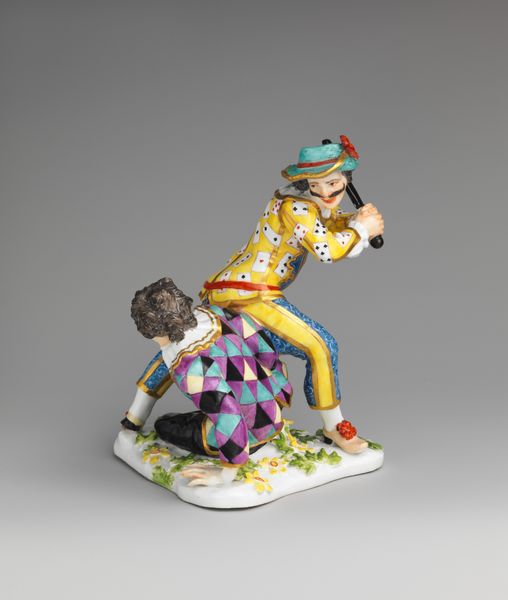
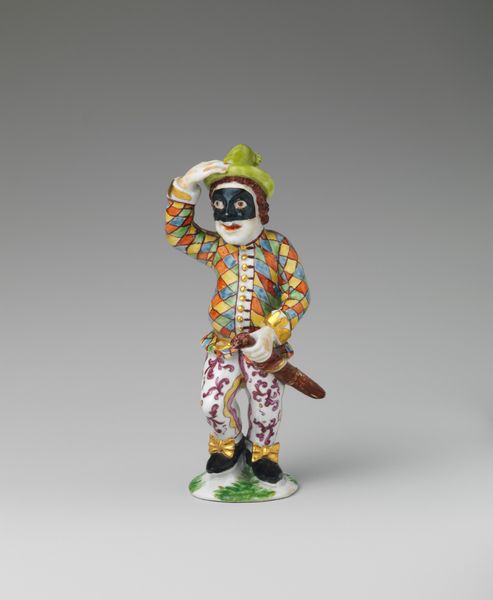
Johann Joachim Kändler sculpted this porcelain Harlequin figurine in the 18th century, capturing a stock character known for wit and mischief. The Harlequin's mask conceals his identity, symbolizing the blurring of social boundaries, and the freedom to mock authority without consequence. His costume, adorned with vibrant, diamond-shaped patches, suggests a fragmented, ever-changing persona, reflecting the complexities of human nature. The jug he holds, a symbol of revelry and intoxication, hints at the blurring of the boundaries between rationality and ecstasy. This figure echoes motifs of earlier masked figures in commedia dell’arte, which are themselves descended from ancient pagan festivals. Like the Dionysian revelers of old, the Harlequin embodies a primal impulse toward chaos and liberation, a yearning for release from the constraints of polite society. These disruptive qualities speak to the collective human desire to subvert norms and to embrace the irrational, surfacing again and again, transformed, throughout history.