About this artwork
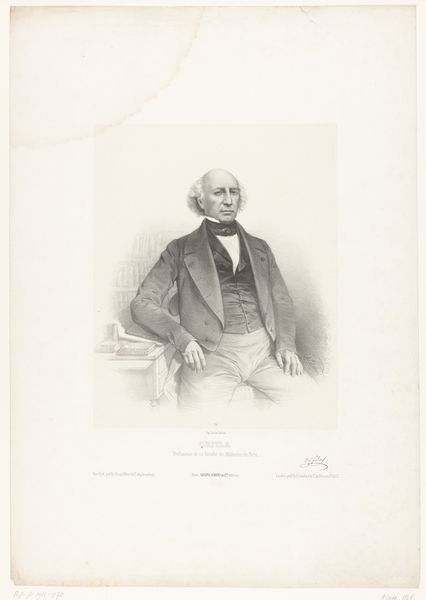
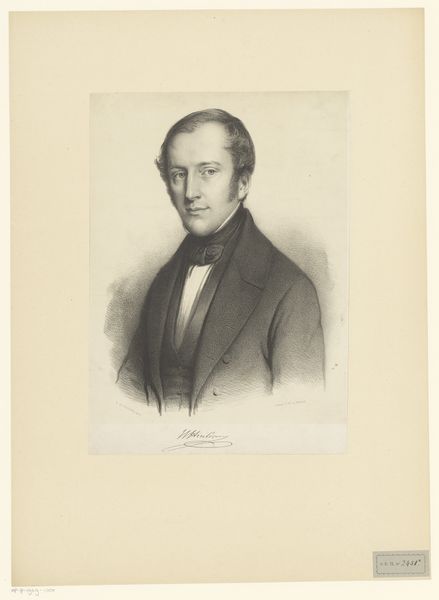
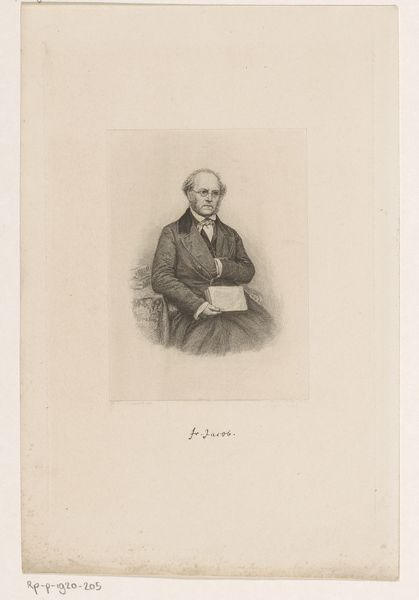
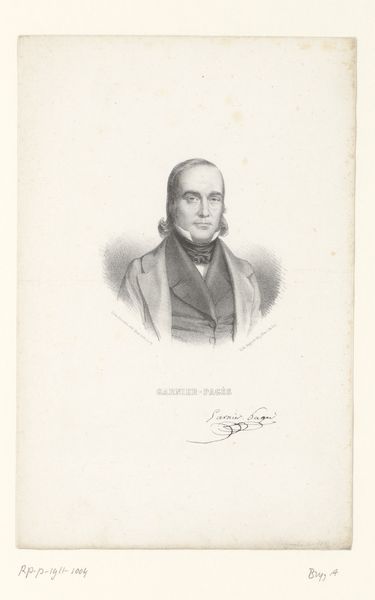
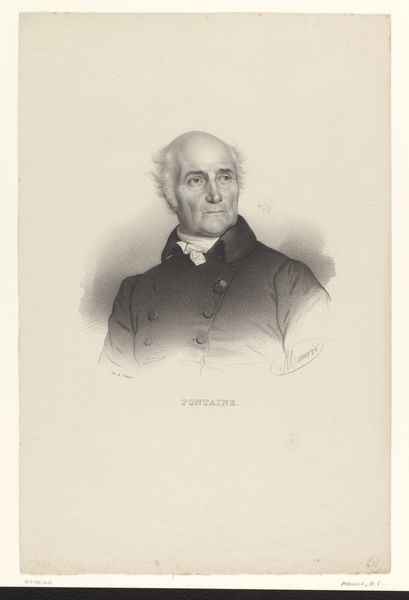
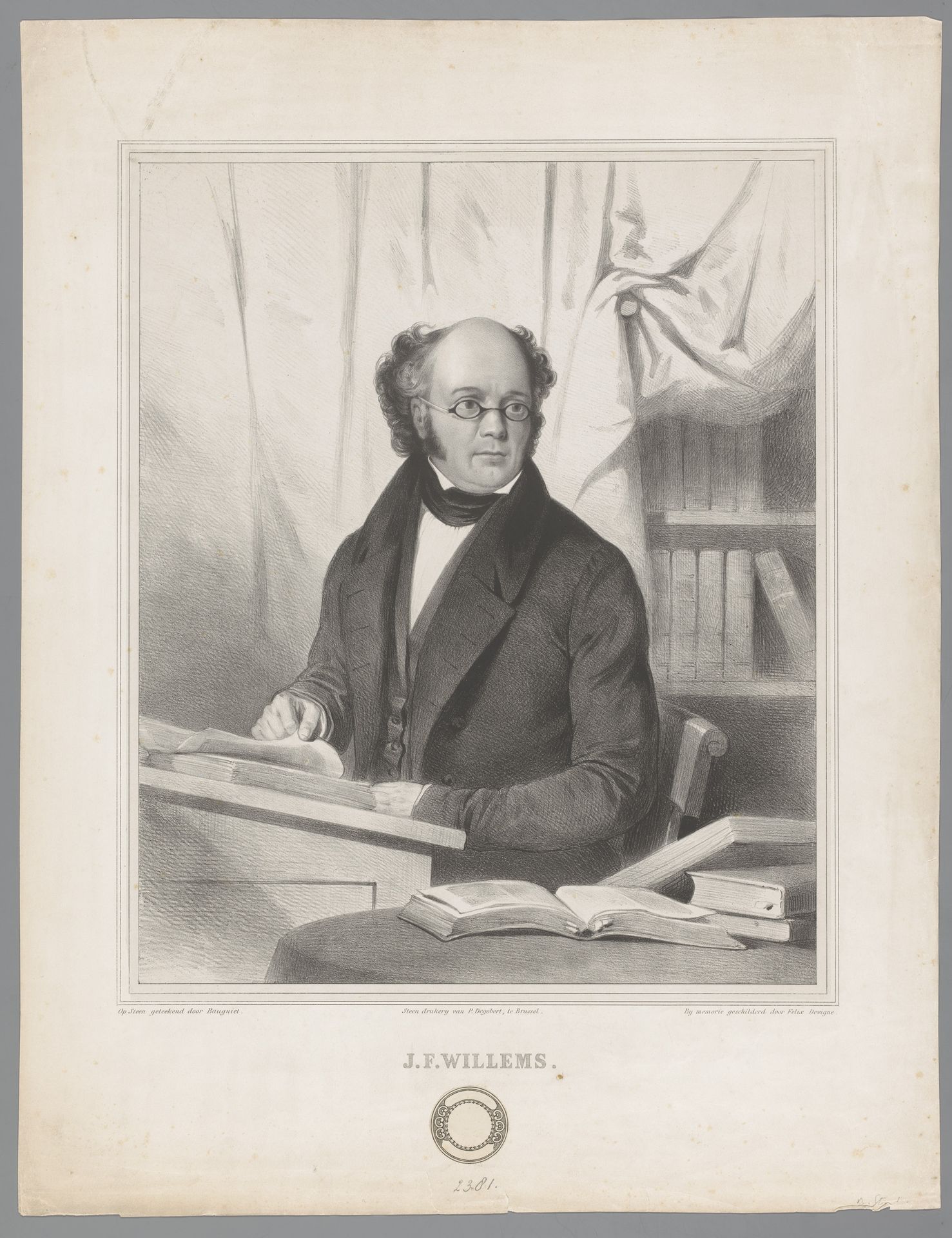
Charles Baugniet’s portrait of Jan Frans Willems captures the sitter at his desk, among the tools of his trade. The open book, a dominant symbol, reminds us of the sacred texts of antiquity, a silent figure that embodies knowledge and revelation. This motif of the scholar at work echoes across time, from medieval depictions of the Evangelists to Renaissance portraits of humanists. In each instance, the book transcends its material form to become a symbol of wisdom and enlightenment. Even in earlier Egyptian traditions, we see scribes depicted with scrolls, underlining how essential the written word has always been to cultural memory and identity. The book's persistent presence, a silent witness across eras, shows its enduring appeal. It acts as a mirror reflecting our collective desire for understanding, revealing how deeply rooted the pursuit of knowledge is in the human psyche.

Artwork details
- Medium
- print, engraving
- Dimensions
- height 545 mm, width 420 mm
- Location
- Rijksmuseum
- Copyright
- Rijks Museum: Open Domain
Tags
Comments
Share your thoughts
About this artwork
Charles Baugniet’s portrait of Jan Frans Willems captures the sitter at his desk, among the tools of his trade. The open book, a dominant symbol, reminds us of the sacred texts of antiquity, a silent figure that embodies knowledge and revelation. This motif of the scholar at work echoes across time, from medieval depictions of the Evangelists to Renaissance portraits of humanists. In each instance, the book transcends its material form to become a symbol of wisdom and enlightenment. Even in earlier Egyptian traditions, we see scribes depicted with scrolls, underlining how essential the written word has always been to cultural memory and identity. The book's persistent presence, a silent witness across eras, shows its enduring appeal. It acts as a mirror reflecting our collective desire for understanding, revealing how deeply rooted the pursuit of knowledge is in the human psyche.
Comments
Share your thoughts