About this artwork
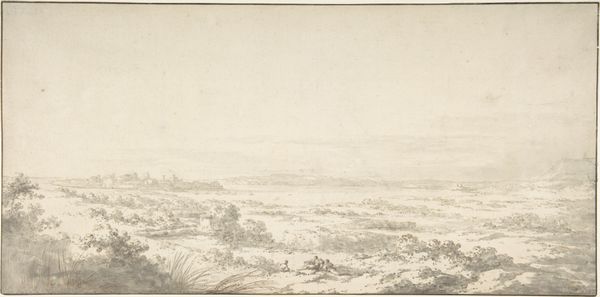
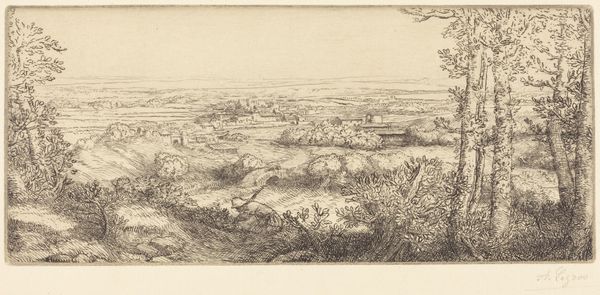
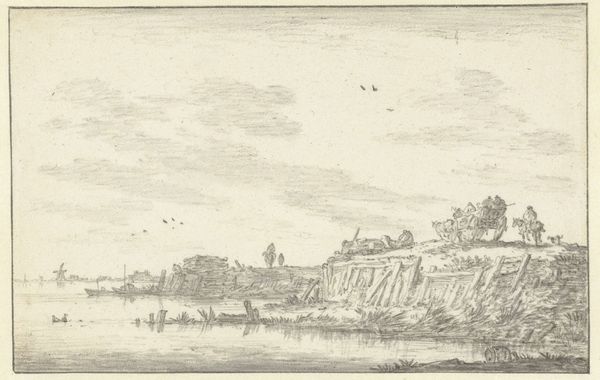
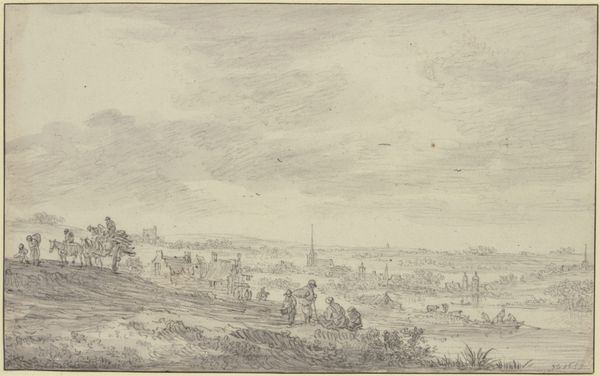
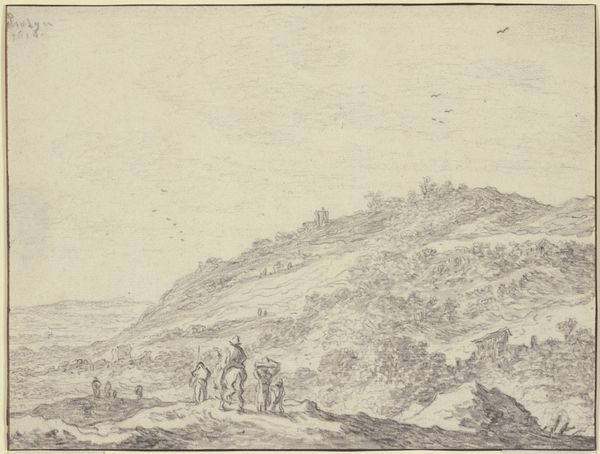
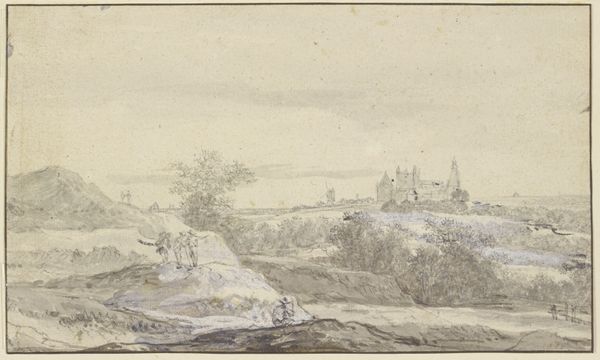
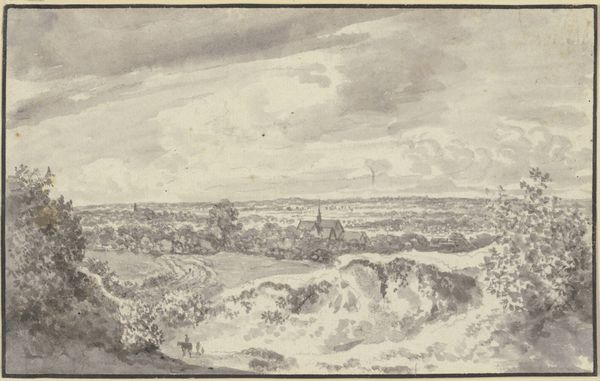
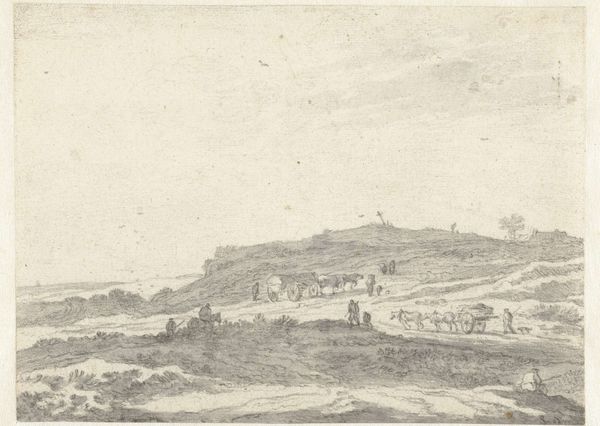
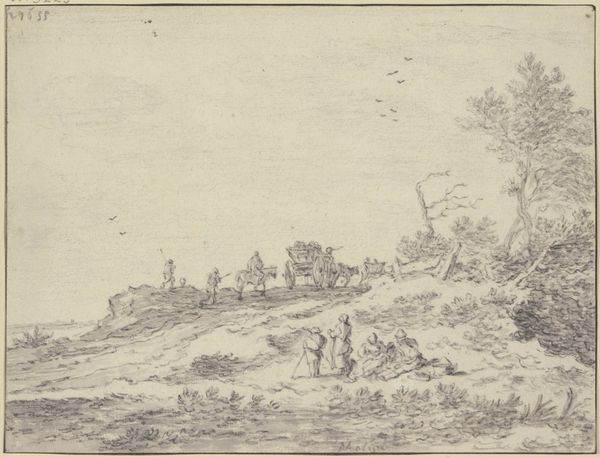
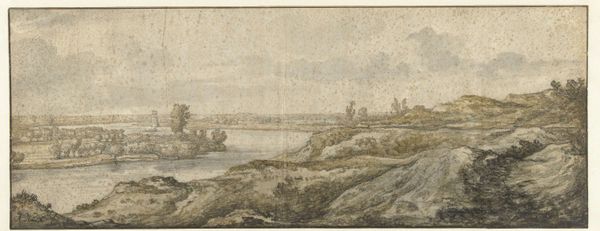
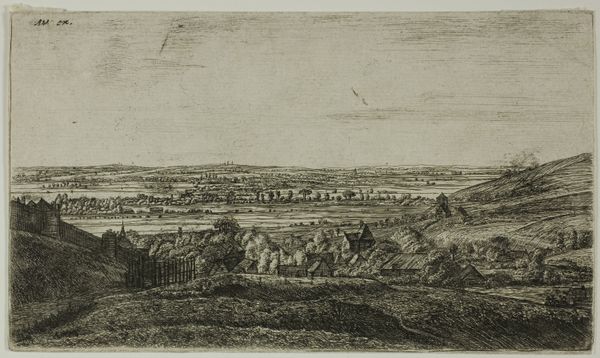
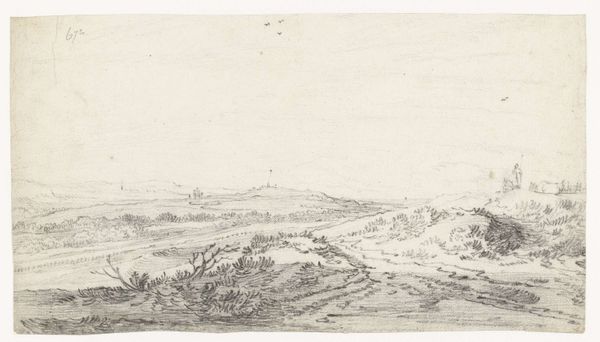
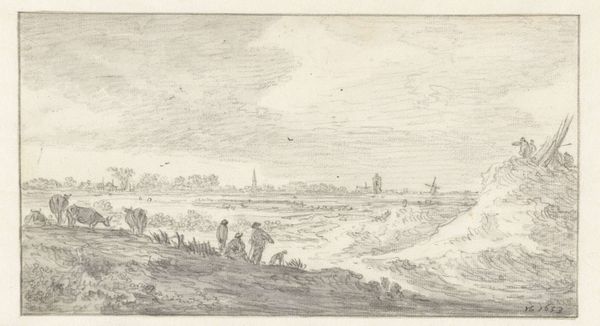
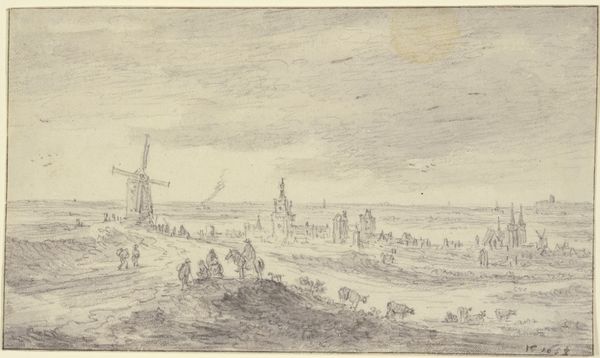
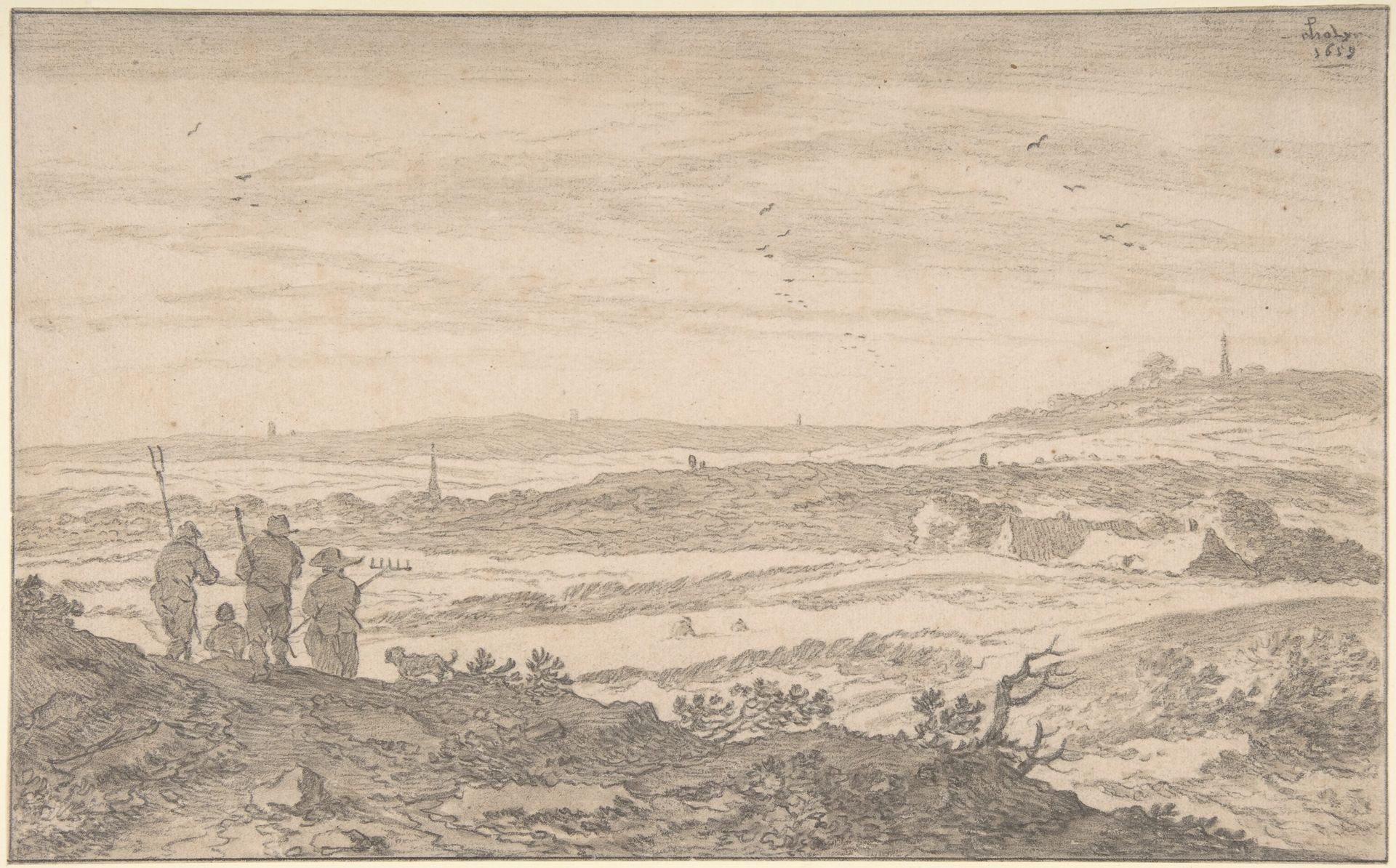
Pieter de Molijn's "Landscape with Figures" is an ink drawing, created sometime in the 17th century, a period of significant social change in the Netherlands. De Molijn, situated within the Dutch Golden Age, captures not just a scene, but also a way of life marked by burgeoning capitalism and urbanization. At first glance, the drawing presents a serene landscape, yet upon closer viewing, one can observe a group of figures, perhaps a family, with tools that suggest they are laborers or farmers. The figures appear to be on the margins of a more developed landscape. The church steeples in the distance act as a counterpoint to the rural life of the figures in the foreground. De Molijn, through his choice of subject matter, invites a consideration of labor, class, and the changing Dutch landscape of the 17th century. This landscape, dotted with figures, becomes a meditation on the relationship between people and place, mirroring a society in transition.
Landscape with Figures
1659


Artwork details
- Medium
- drawing, print, etching
- Dimensions
- sheet: 7 1/4 x 11 3/4 in. (18.4 x 29.8 cm)
- Location
- Metropolitan Museum of Art, New York, NY
- Copyright
- Public Domain
Tags
drawing
dutch-golden-age
pen sketch
etching
landscape
etching
figuration
Comments
Be the first to share your thoughts about this work.
About this artwork
Pieter de Molijn's "Landscape with Figures" is an ink drawing, created sometime in the 17th century, a period of significant social change in the Netherlands. De Molijn, situated within the Dutch Golden Age, captures not just a scene, but also a way of life marked by burgeoning capitalism and urbanization. At first glance, the drawing presents a serene landscape, yet upon closer viewing, one can observe a group of figures, perhaps a family, with tools that suggest they are laborers or farmers. The figures appear to be on the margins of a more developed landscape. The church steeples in the distance act as a counterpoint to the rural life of the figures in the foreground. De Molijn, through his choice of subject matter, invites a consideration of labor, class, and the changing Dutch landscape of the 17th century. This landscape, dotted with figures, becomes a meditation on the relationship between people and place, mirroring a society in transition.
Comments
Be the first to share your thoughts about this work.