drawing, pencil
#
portrait
#
drawing
#
light pencil work
#
quirky sketch
#
sketch book
#
incomplete sketchy
#
personal sketchbook
#
idea generation sketch
#
sketchwork
#
pen-ink sketch
#
pencil
#
sketchbook drawing
#
sketchbook art
#
realism
Copyright: Rijks Museum: Open Domain
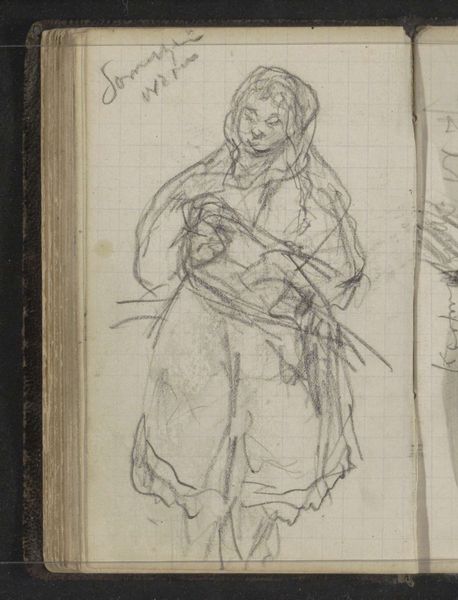
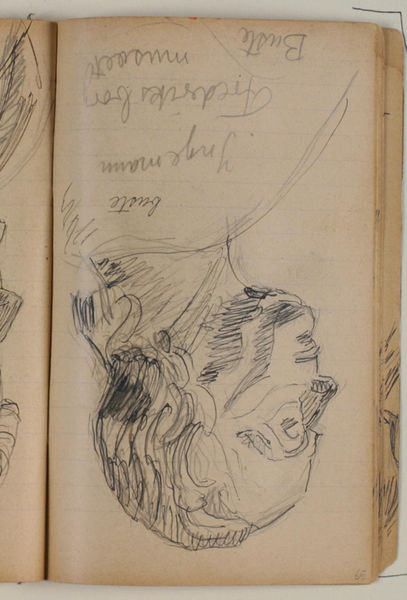
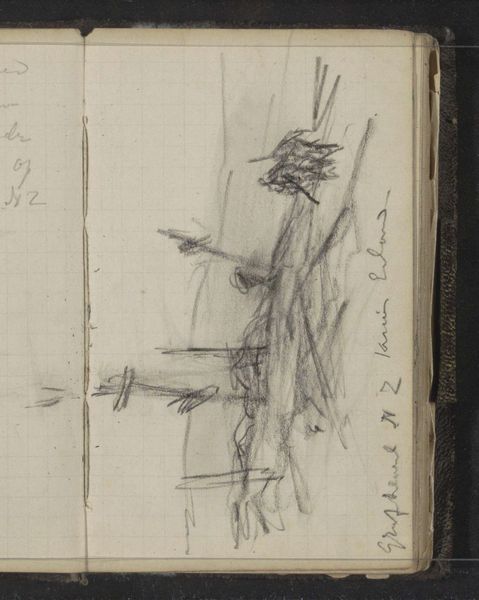
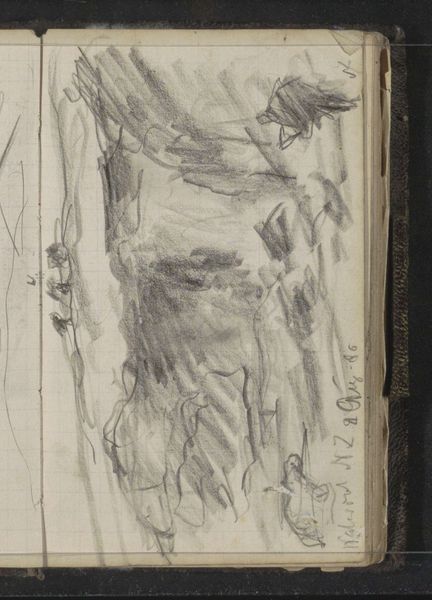
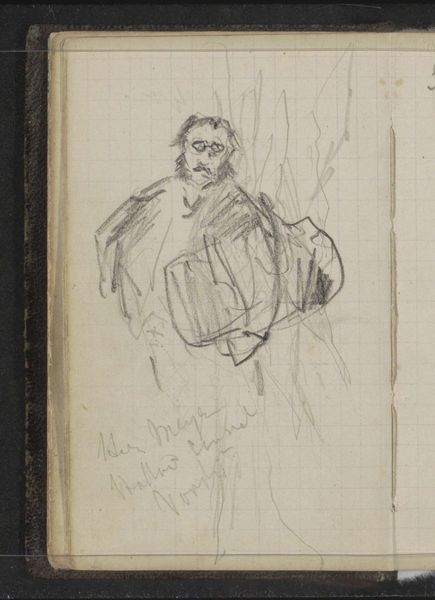
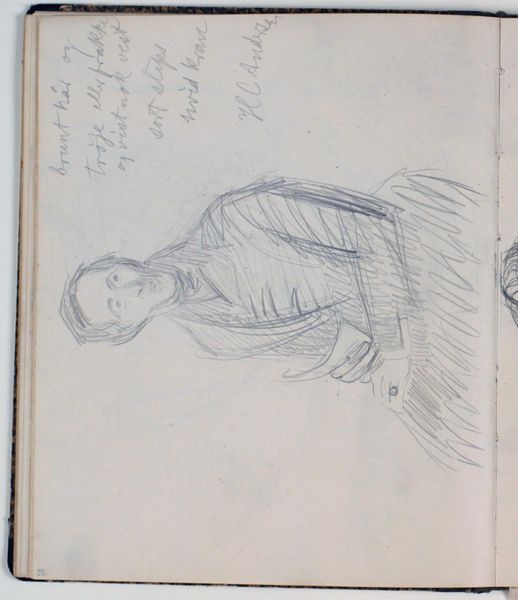
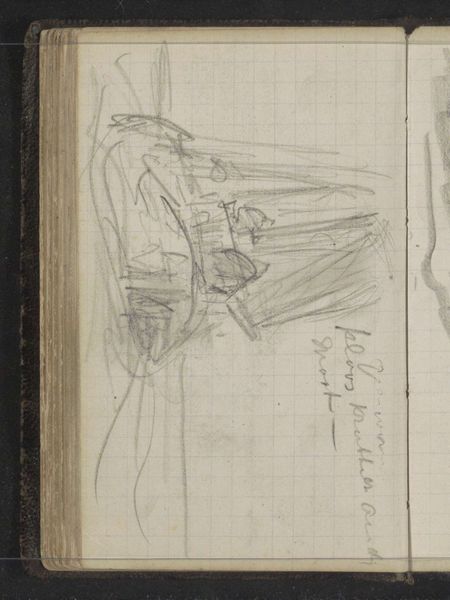
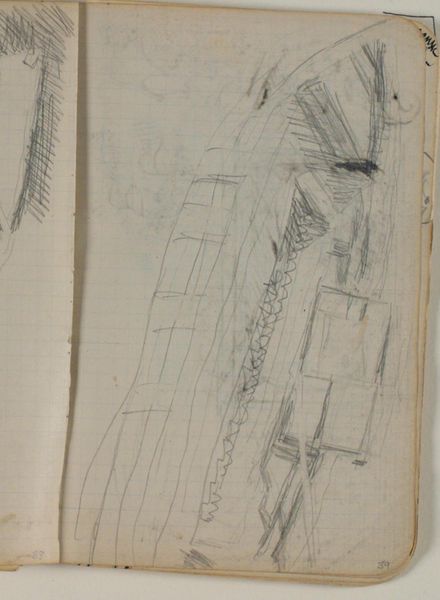
Curator: Here we have Louis Apol's "Portret van een Samojeed," a pencil drawing dating from about 1880 to 1888. It resides in the Rijksmuseum. What are your initial thoughts? Editor: The raw energy! It’s immediately apparent. Look at the quick, light strokes of the pencil. You can practically feel the artist capturing a fleeting moment, a face observed perhaps in passing. Curator: Absolutely. Notice the hooded figure, likely a member of the Samoyedic people, staff in hand. The quickness speaks to immediacy but it is intriguing when we consider the deeper implications this man's likeness held from a European perspective during that time. Editor: Right, the 'how' is important, isn't it? Pencil, paper, readily available. This isn't some commissioned portrait destined for a grand hall. It feels intimate, more akin to a travel sketch, part of a larger visual diary. A glimpse into the means of representation of a man on the go, creating a sense of adventure. Curator: Indeed. Apol traveled to the Russian Arctic, and it's fascinating to consider the symbolic weight of this image. What did the Samoyeds represent for a Western audience? Were they an embodiment of untamed wilderness, perhaps? Editor: Maybe! And looking closely, it is quite sketchy—clearly unfinished. Almost like a sample, made using easily accessible materials to explore quick options that were readily available during Apol’s travel and study. How fascinating! Curator: Precisely. Apol captures an 'exotic' subject and the sketchiness may have emphasized the man as ‘other.’ Even incomplete, it embodies a spirit of exploration, an attempt to classify and catalogue the world around him. Editor: Yes. Thinking about that labor… how quickly could Apol reproduce his sitter? This pencil drawing and the ease of distribution and reproduction suggests it’s very different from traditional laborious approaches to the oil portrait or painting that came before it. Curator: The image lingers in the mind, this pencil sketch. It's not just about what is depicted, but also the traces of a cultural exchange. Editor: Agreed. A tangible mark on paper, illustrating both artistry and labor.
Comments
No comments
Be the first to comment and join the conversation on the ultimate creative platform.
 Collect
 React
React Comment
More like this