525 BC
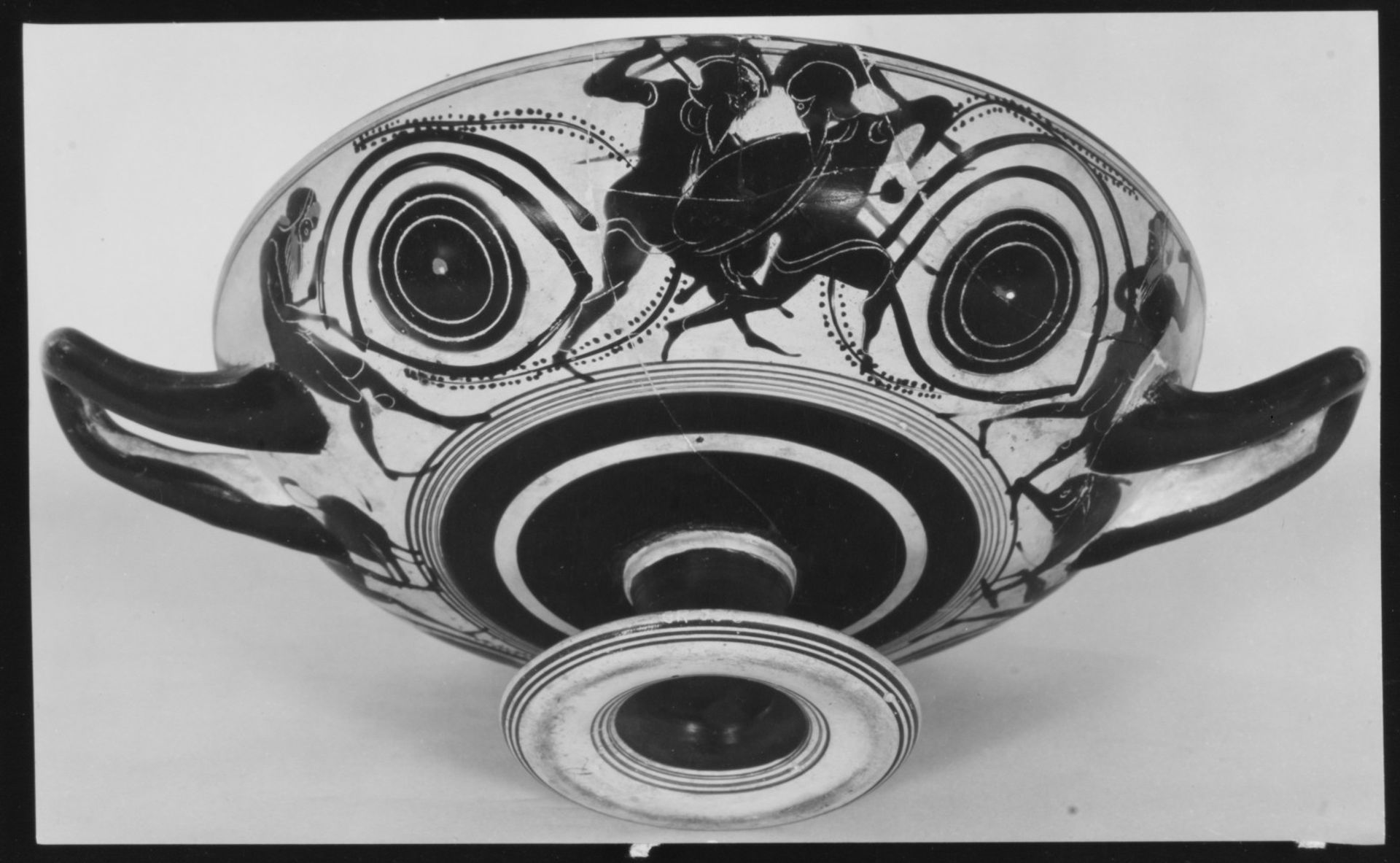
Kylix, eye-cup


Listen to curator's interpretation
Curatorial notes
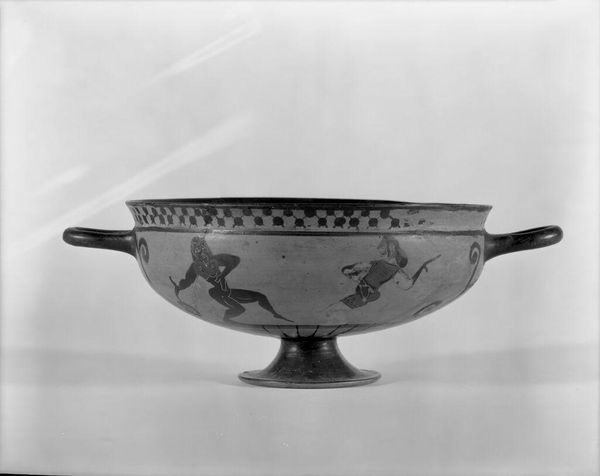
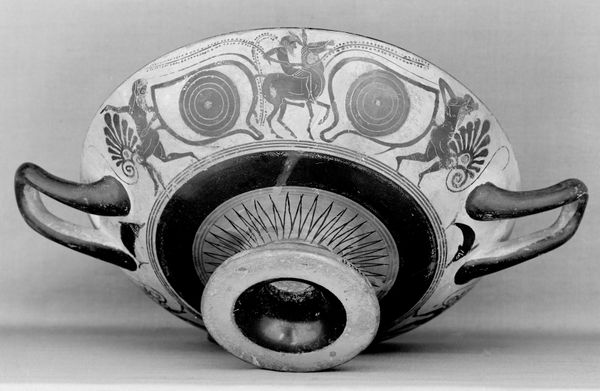
This eye-cup, crafted by the Essen Group, presents a striking image of ancient Greek life through its bold, black-figure painting. The dominant feature is, of course, the large, stylized eyes, an apotropaic symbol meant to ward off evil, a tradition deeply rooted in ancient Greek culture. Notice how these eyes, simultaneously protective and watchful, flank scenes of dynamic combat. This pairing is not coincidental; it reflects a culture deeply concerned with protection and fate. We see the recurrence of the eye motif throughout history, from ancient Egyptian art to modern-day protective talismans, each iteration carrying a blend of hope and fear. It surfaces in diverse contexts, such as the prows of ships, as an evolution from its original intent, demonstrating a potent need to face the unknown with a safeguard. This kylix, beyond its practical use, encapsulates a profound psychological need for safety, resonating across millennia. It serves as a reminder of how primal anxieties and hopes are perpetually reshaped and re-expressed through cultural symbols.