drawing, print, engraving
#
drawing
#
baroque
#
dutch-golden-age
# print
#
landscape
#
line
#
cityscape
#
engraving
Dimensions: height 80 mm, width 105 mm
Copyright: Rijks Museum: Open Domain
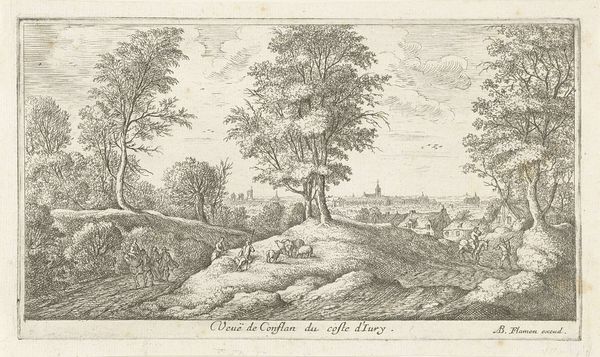
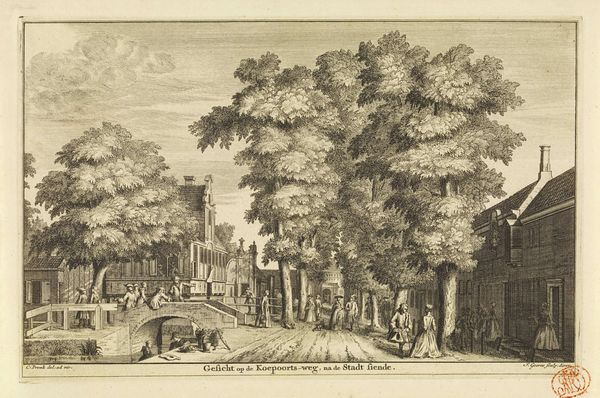
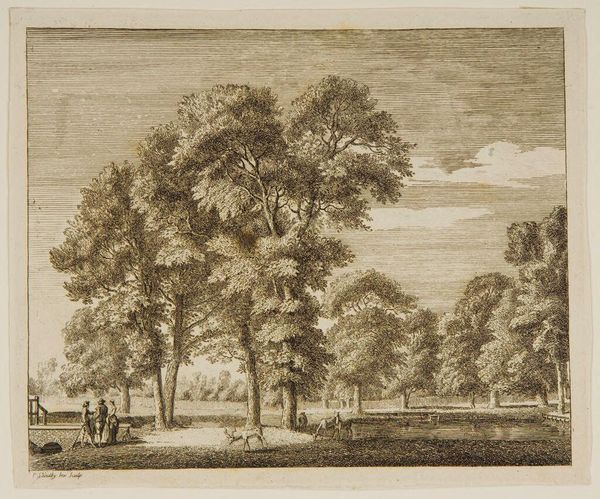
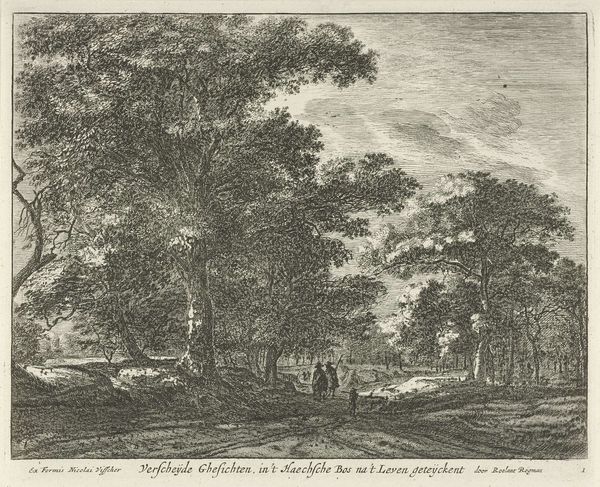
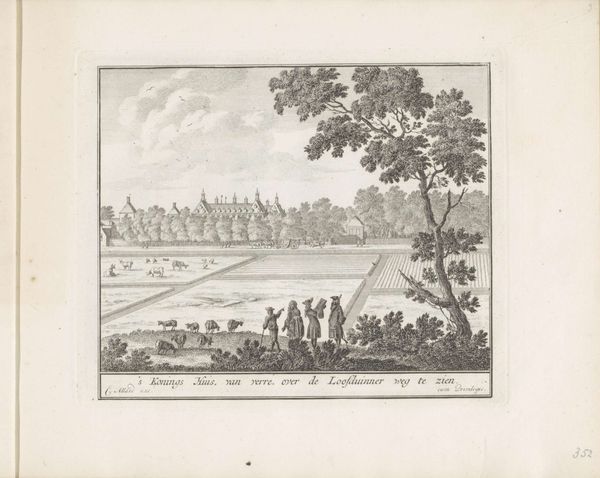
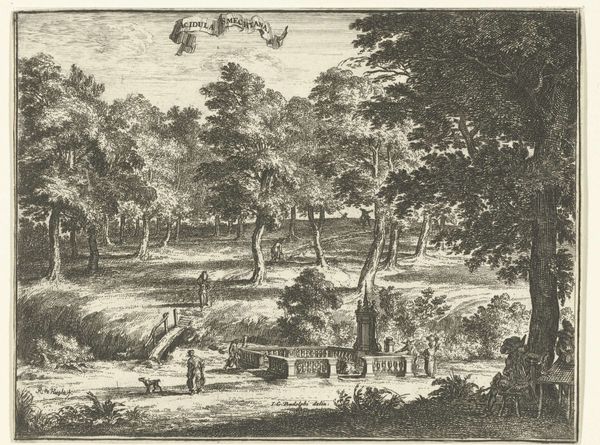
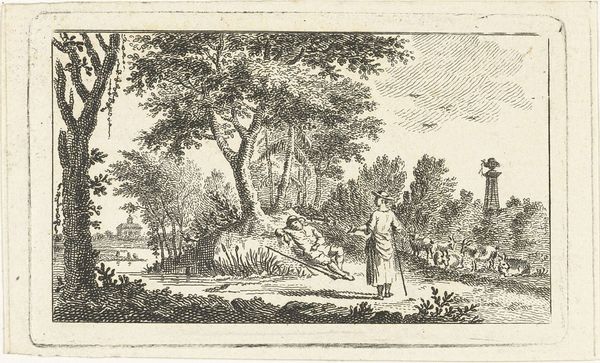
Editor: This is "Gezicht op 's-Graveland" by Hendrik Spilman, created in 1757. It's a cityscape rendered as an engraving. The detail achieved with simple lines is quite remarkable. What stands out to you about this particular print? Curator: What I see is the tangible outcome of labour. Engraving, as a process, relies on specific tools, techniques, and a division of labor. Think of the craftsman meticulously etching lines into the metal plate. It wasn’t simply about aesthetic representation; it was a process embedded in a specific social and economic context. Consider, where would Spilman source materials in the 18th century and what were their market values? Editor: So, you’re saying the materials and the act of creating it are just as important as the image itself? Curator: Precisely. We can analyze the lines, yes, but what about the economy of printmaking? Prints facilitated the distribution of images. Who were Spilman’s intended consumers, and how does this image cater to their interests or values? For instance, we might question the type of printing press used and its potential impact on the quantity and quality of reproductions. Editor: That makes me think about accessibility. Was printmaking a widespread practice or more specialized at that time? Curator: Exactly. Think about how Spilman likely would have trained in a workshop system, an artisanal mode of production. Also, think of the relationship of the engraving to the growth of urban centers and wealth in Dutch society. Do you think there's any connection? Editor: Yes! Thinking about it as a manufactured object, deeply rooted in its time, adds so much context. Thank you. Curator: Indeed. This perspective compels us to consider artmaking not merely as an act of individual genius but also as a process shaped by available materials, prevailing economic conditions, and distribution networks.
Comments
No comments
Be the first to comment and join the conversation on the ultimate creative platform.
 Collect
 React
React Comment
More like this