About this artwork
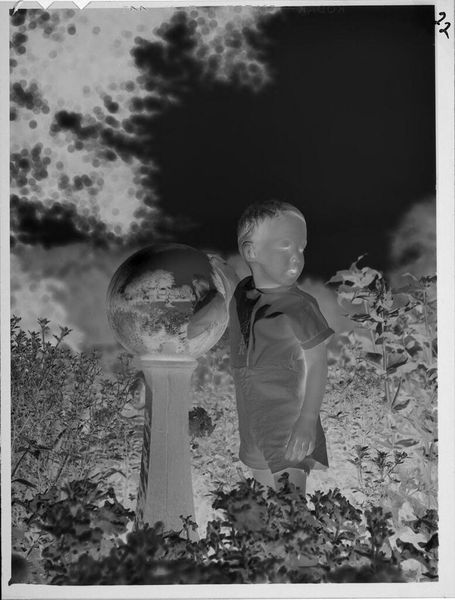
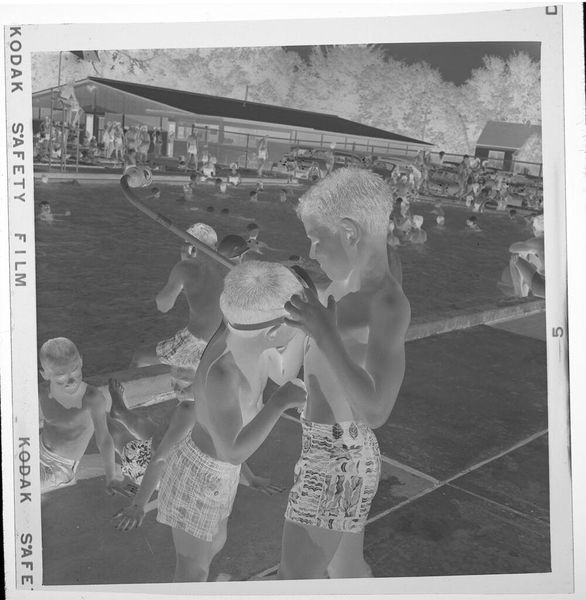
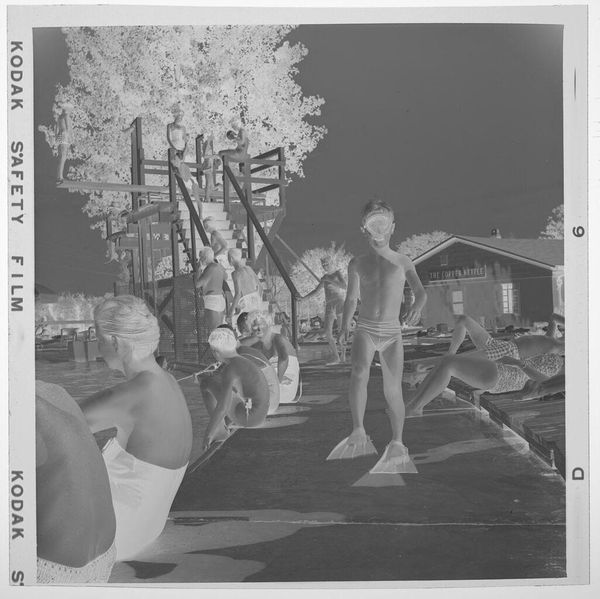
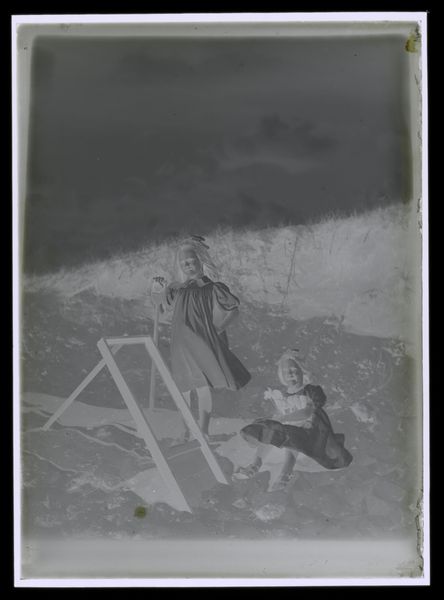
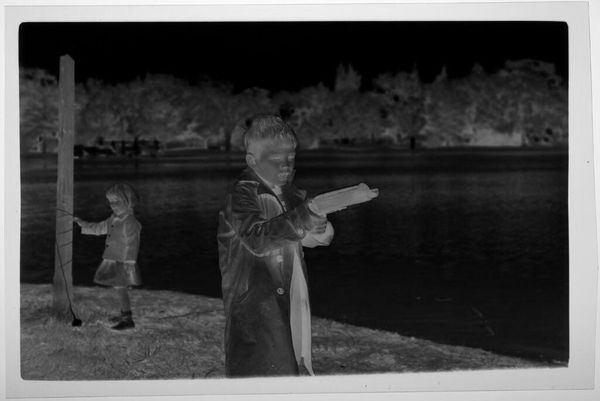
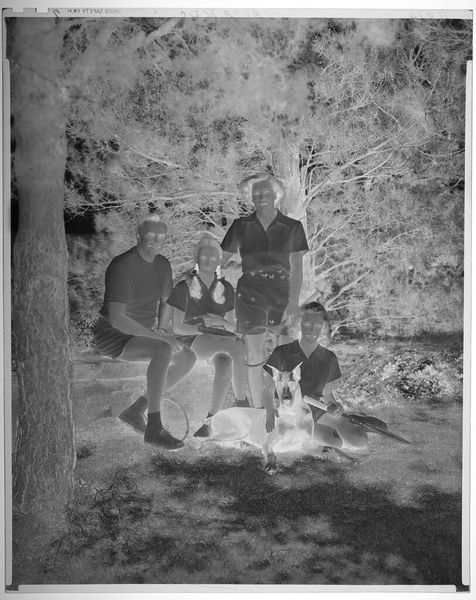
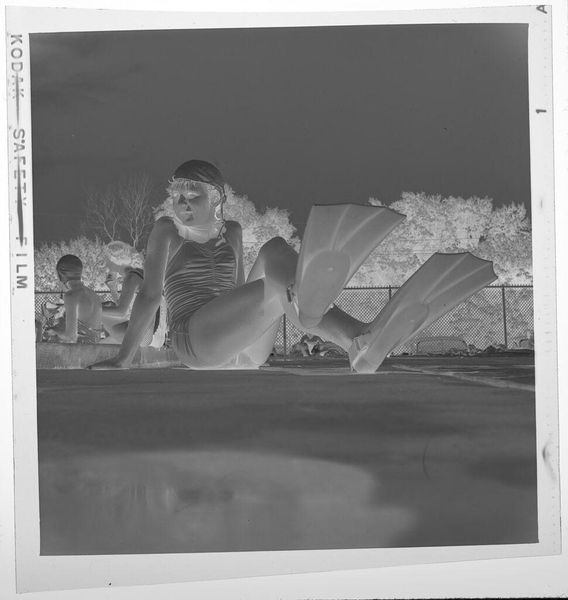
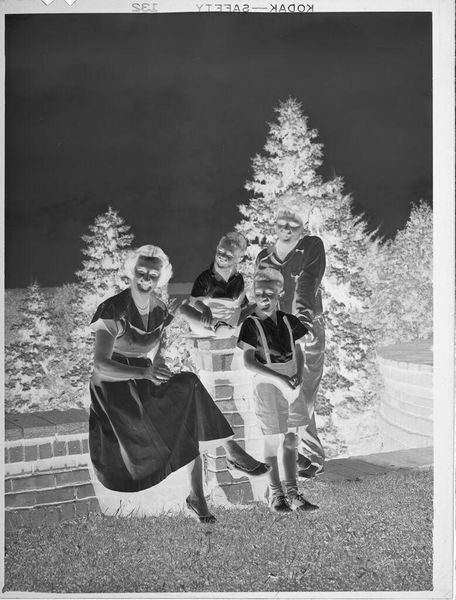
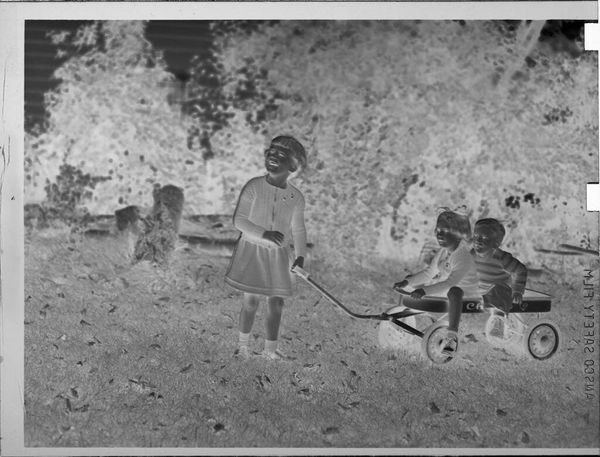
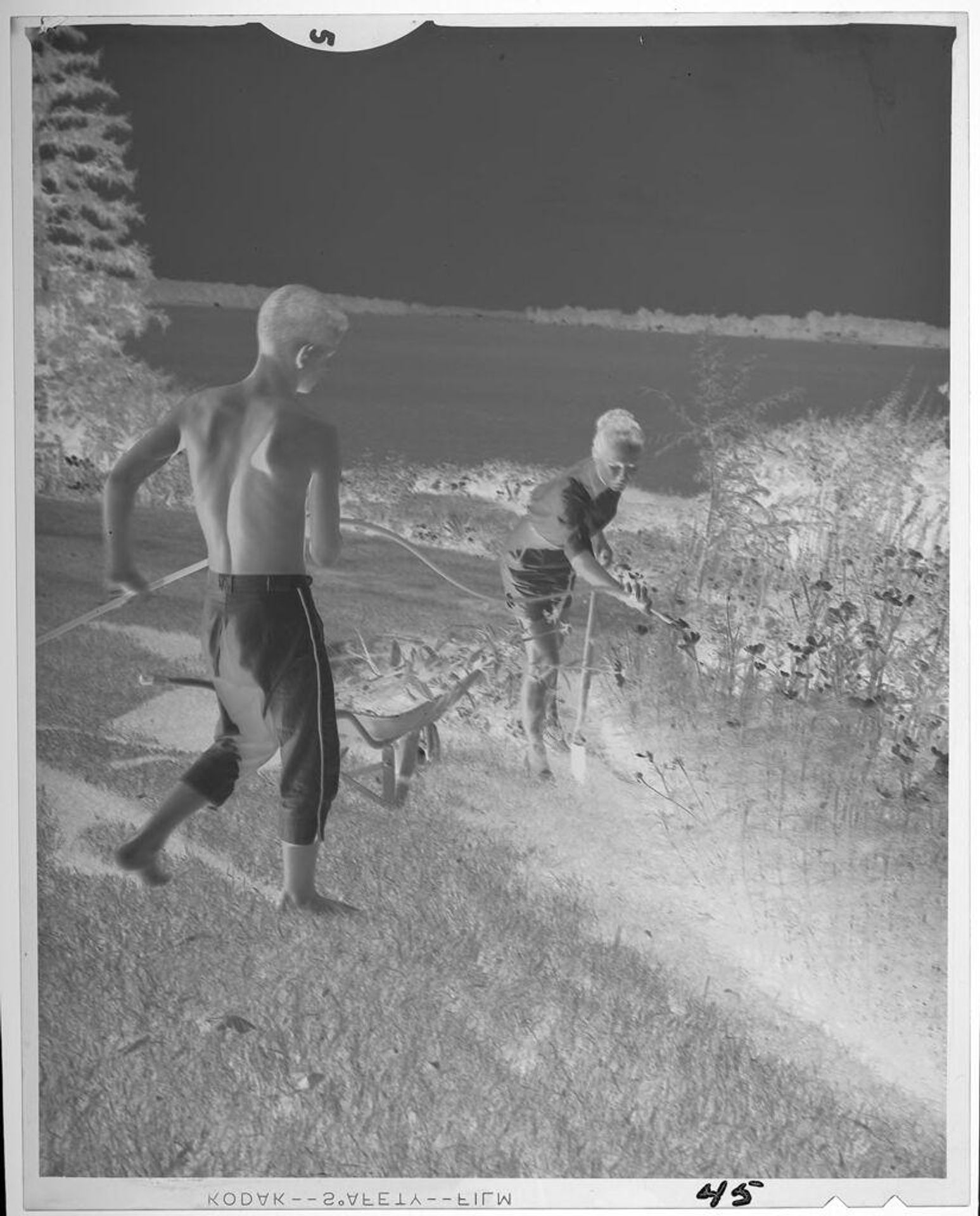
Curator: This photogram, a work without a camera, by Lucian and Mary Brown, features a boy and a woman working outdoors. It feels rather melancholy at first glance. Editor: It is intriguing how the artists used light to almost create a ghostly scene of manual labor. What material processes were used to render the image? Curator: The figures seem to be tending a garden, which evokes a sense of connection to nature, or perhaps a bygone era of agrarian life, touching on themes of simpler times. Editor: I wonder about the historical context. Was the use of a photogram a deliberate choice by the Browns to emphasize the tactile nature of image-making, pushing back against industrial forms of production? Curator: Perhaps, or maybe they were exploring a new way of rendering the familiar domestic sphere. The garden, lake and figures possess a dreamlike, timeless quality to me. Editor: It invites a deeper consideration of art and labor. I find myself more conscious of the physical act of making. Curator: A fascinating perspective. It seems this work offers much to contemplate on the intersection of nature, memory, and artistic expression. Editor: Indeed. It’s a reminder that art can also be about the means of its creation and labor as much as its subject.
Untitled (woman and boy gardening by lake)
c. 1950

Artwork details
- Dimensions
- 12.7 x 10.16 cm (5 x 4 in.)
- Location
- Harvard Art Museums
- Copyright
- CC0 1.0
Comments
Share your thoughts
About this artwork
Curator: This photogram, a work without a camera, by Lucian and Mary Brown, features a boy and a woman working outdoors. It feels rather melancholy at first glance. Editor: It is intriguing how the artists used light to almost create a ghostly scene of manual labor. What material processes were used to render the image? Curator: The figures seem to be tending a garden, which evokes a sense of connection to nature, or perhaps a bygone era of agrarian life, touching on themes of simpler times. Editor: I wonder about the historical context. Was the use of a photogram a deliberate choice by the Browns to emphasize the tactile nature of image-making, pushing back against industrial forms of production? Curator: Perhaps, or maybe they were exploring a new way of rendering the familiar domestic sphere. The garden, lake and figures possess a dreamlike, timeless quality to me. Editor: It invites a deeper consideration of art and labor. I find myself more conscious of the physical act of making. Curator: A fascinating perspective. It seems this work offers much to contemplate on the intersection of nature, memory, and artistic expression. Editor: Indeed. It’s a reminder that art can also be about the means of its creation and labor as much as its subject.
Comments
Share your thoughts