About this artwork
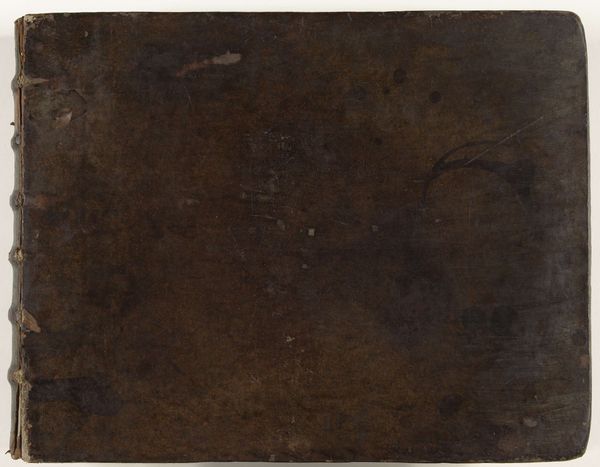
This photo book was made by J.W. Meyster, for the Algemeene Vereeniging van Rubberplanters, or AVROS. The physical construction of this book—the binding, paper stock, and photographic prints—speaks to the industrialization of both agriculture and image-making in the early 20th century. The book's materials are straightforward, but they belie a complex story. Rubber plantations in Sumatra were a major economic force, powered by exploited labor. The book, therefore, becomes a kind of industrial product itself, a document of capital. Consider the way photographs were reproduced at the time. Each image required chemical processing and standardized printing methods. This is distinct from a unique work of art, like a painting or sculpture; it is inherently linked to mass production. This book invites us to consider how labor, materials, and modes of production shape our understanding of both art and industry.
Fotoboek van de Algemeene Vereeniging van Rubberplanters ter Oostkust van Sumatra (A.V.R.O.S.)
c. 1924 - 1925

J.W. Meyster
1887 - 1945Location
RijksmuseumArtwork details
- Medium
- photography
- Dimensions
- height 250 mm, width 660 mm, width 330 mm, thickness 48 mm
- Location
- Rijksmuseum
- Copyright
- Rijks Museum: Open Domain
Tags
Comments
Share your thoughts
About this artwork
This photo book was made by J.W. Meyster, for the Algemeene Vereeniging van Rubberplanters, or AVROS. The physical construction of this book—the binding, paper stock, and photographic prints—speaks to the industrialization of both agriculture and image-making in the early 20th century. The book's materials are straightforward, but they belie a complex story. Rubber plantations in Sumatra were a major economic force, powered by exploited labor. The book, therefore, becomes a kind of industrial product itself, a document of capital. Consider the way photographs were reproduced at the time. Each image required chemical processing and standardized printing methods. This is distinct from a unique work of art, like a painting or sculpture; it is inherently linked to mass production. This book invites us to consider how labor, materials, and modes of production shape our understanding of both art and industry.
Comments
Share your thoughts