1879
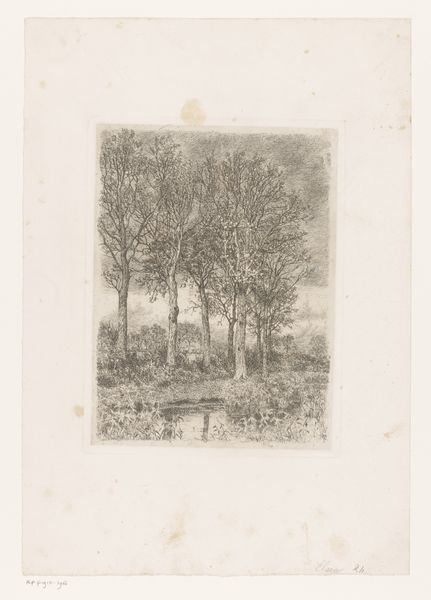
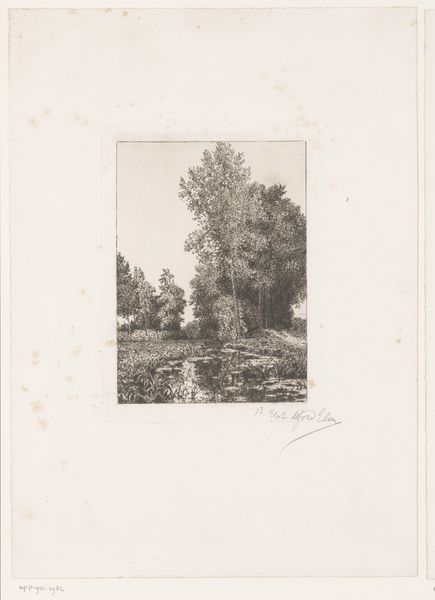
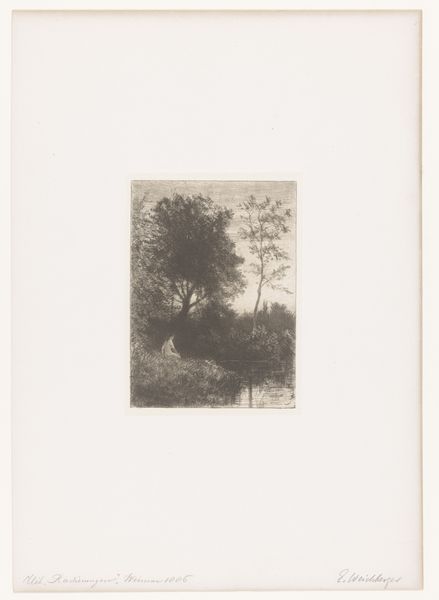
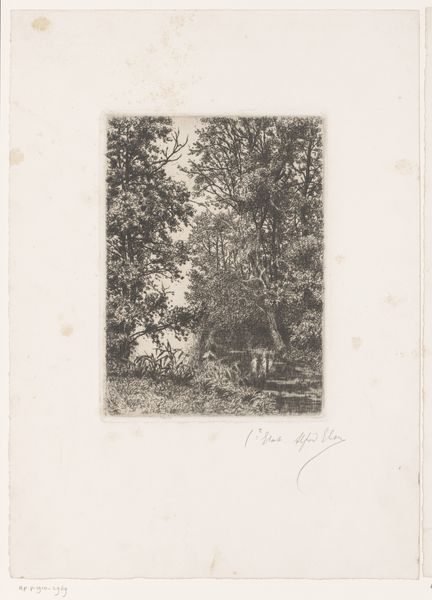
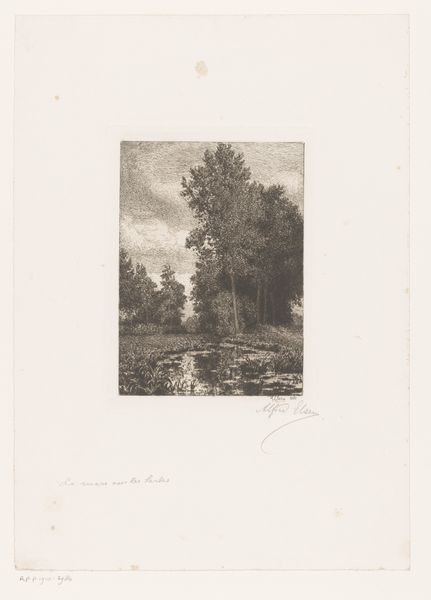
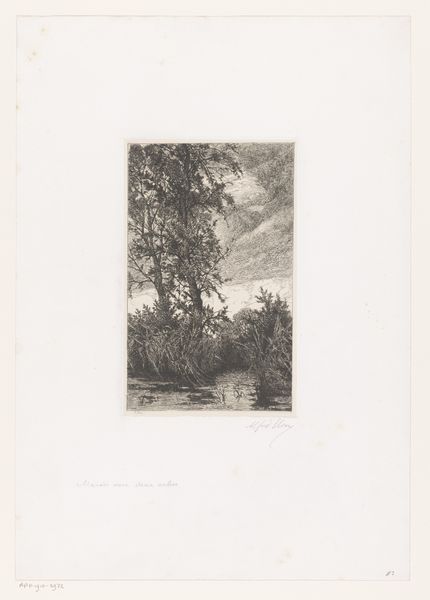
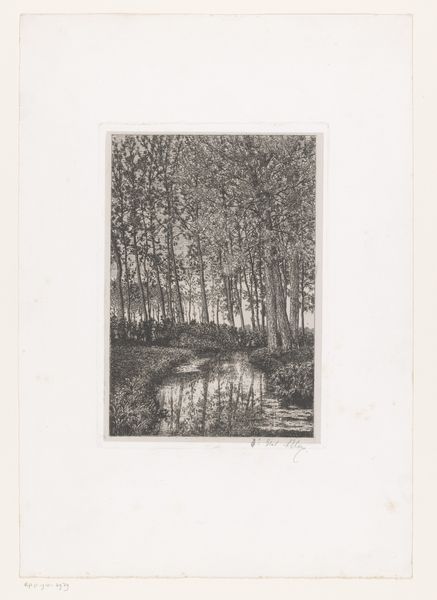
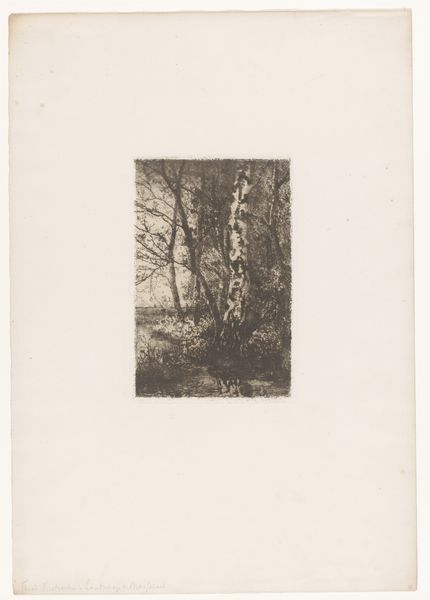
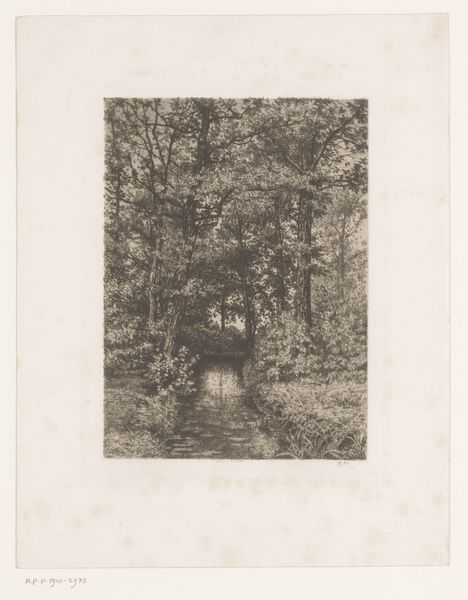
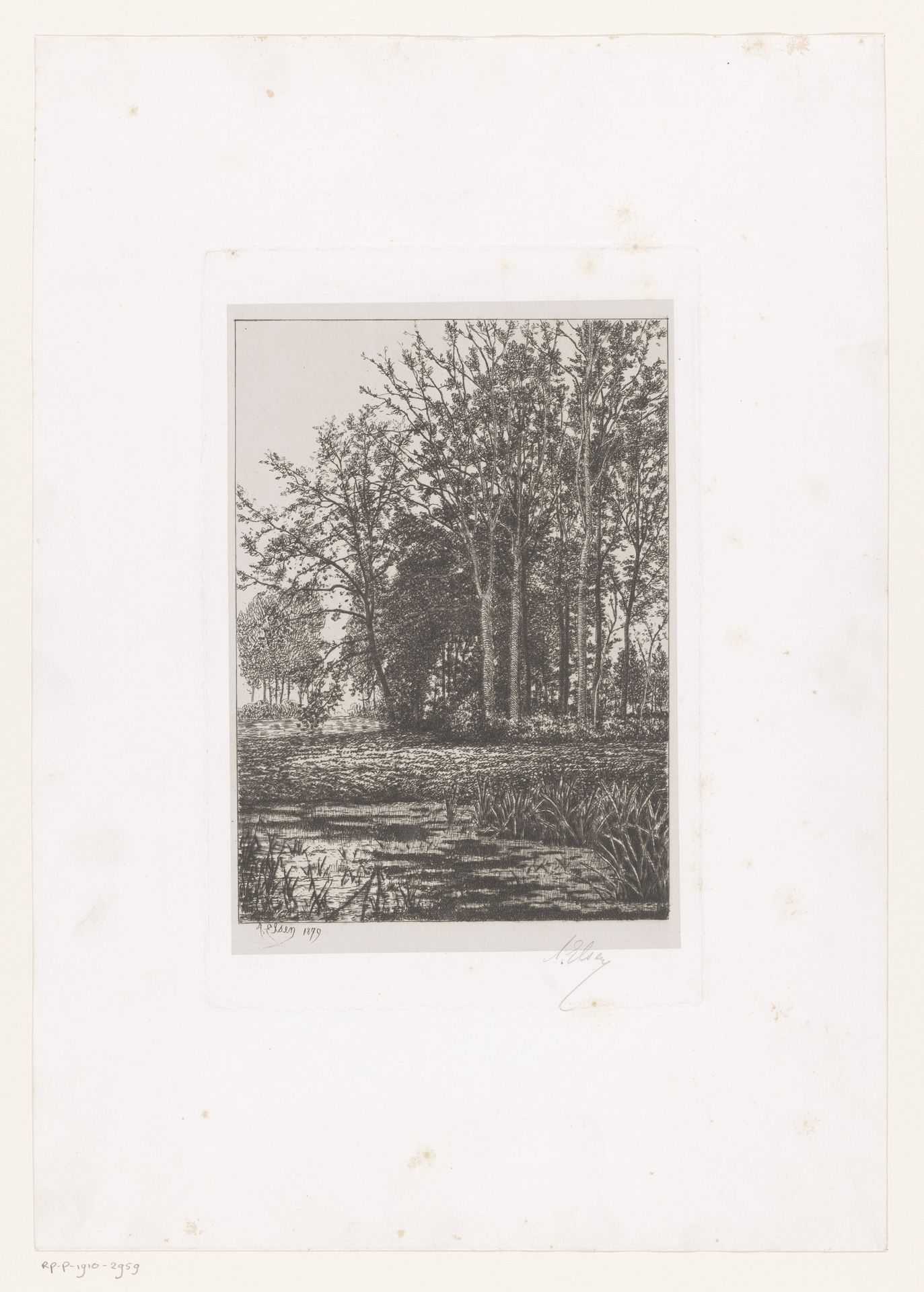
Landschap met water en bomen

Alfred Elsen
1850 - 1914Location
RijksmuseumListen to curator's interpretation
Curatorial notes
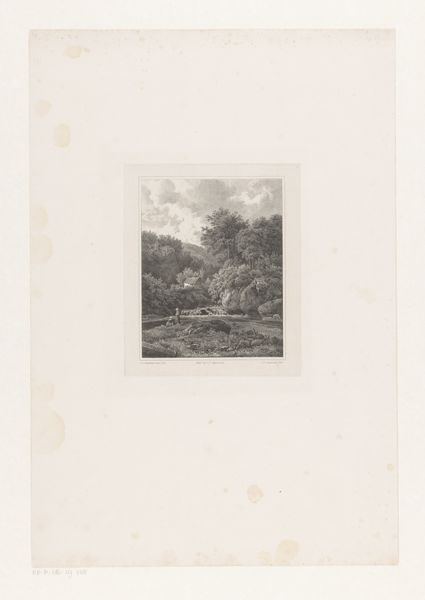
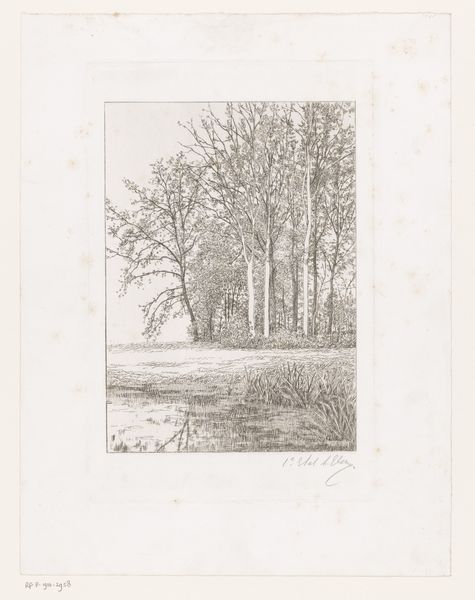
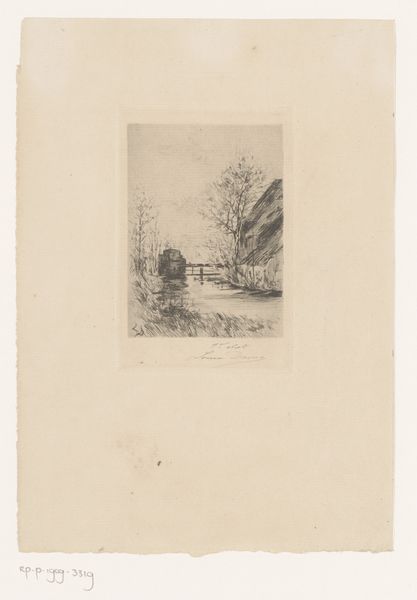
Alfred Elsen created this landscape with water and trees, in etching, at the end of the 19th century. In this period, landscape art in the Netherlands reflected a deep connection to the land and its resources. The image creates meaning through its detailed depiction of nature, emphasizing the quiet stillness of the water and the dense foliage. It’s interesting to consider how specific features of Dutch culture, such as its extensive waterways and agricultural practices, might have influenced Elsen’s vision. As a historian, to fully understand the image, I would be keen to research the economic structures supporting artists like Elsen and how institutions such as art academies shaped his training. Does the artwork comment on the rapid industrialization of the Netherlands at the time? Is it a nostalgic view of a pre-industrial world? The meaning of art is always contingent on its social and institutional context, and there’s much more to explore here.