About this artwork
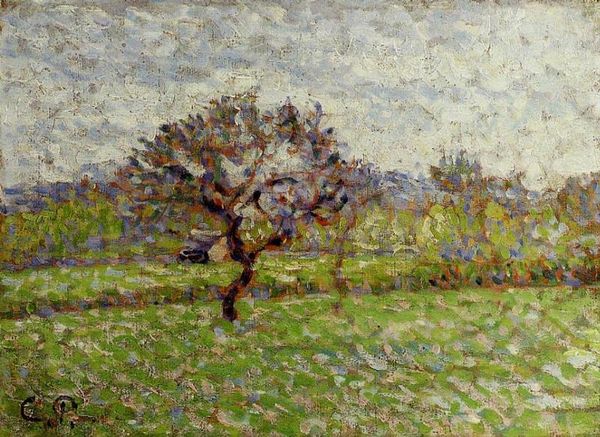
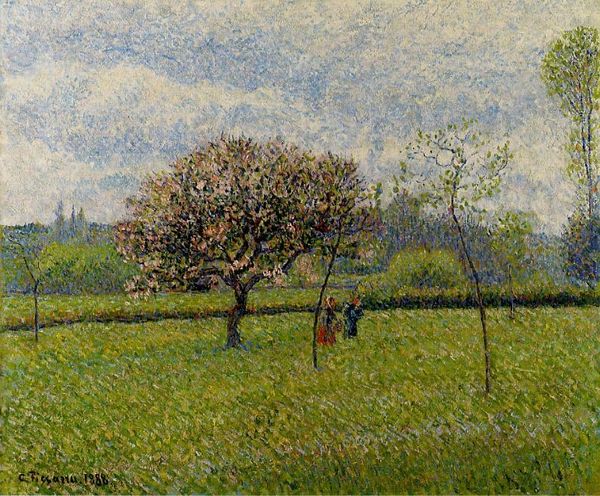
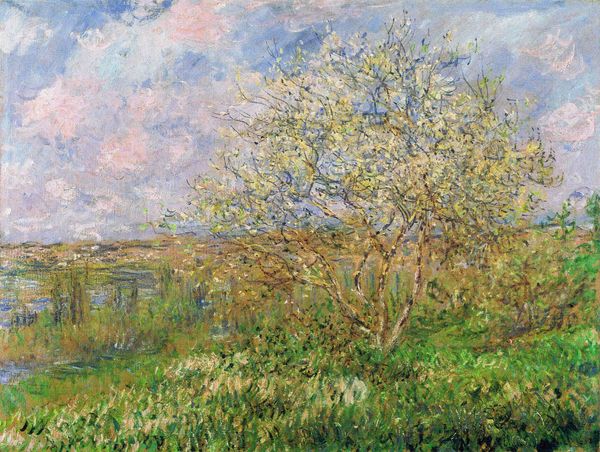
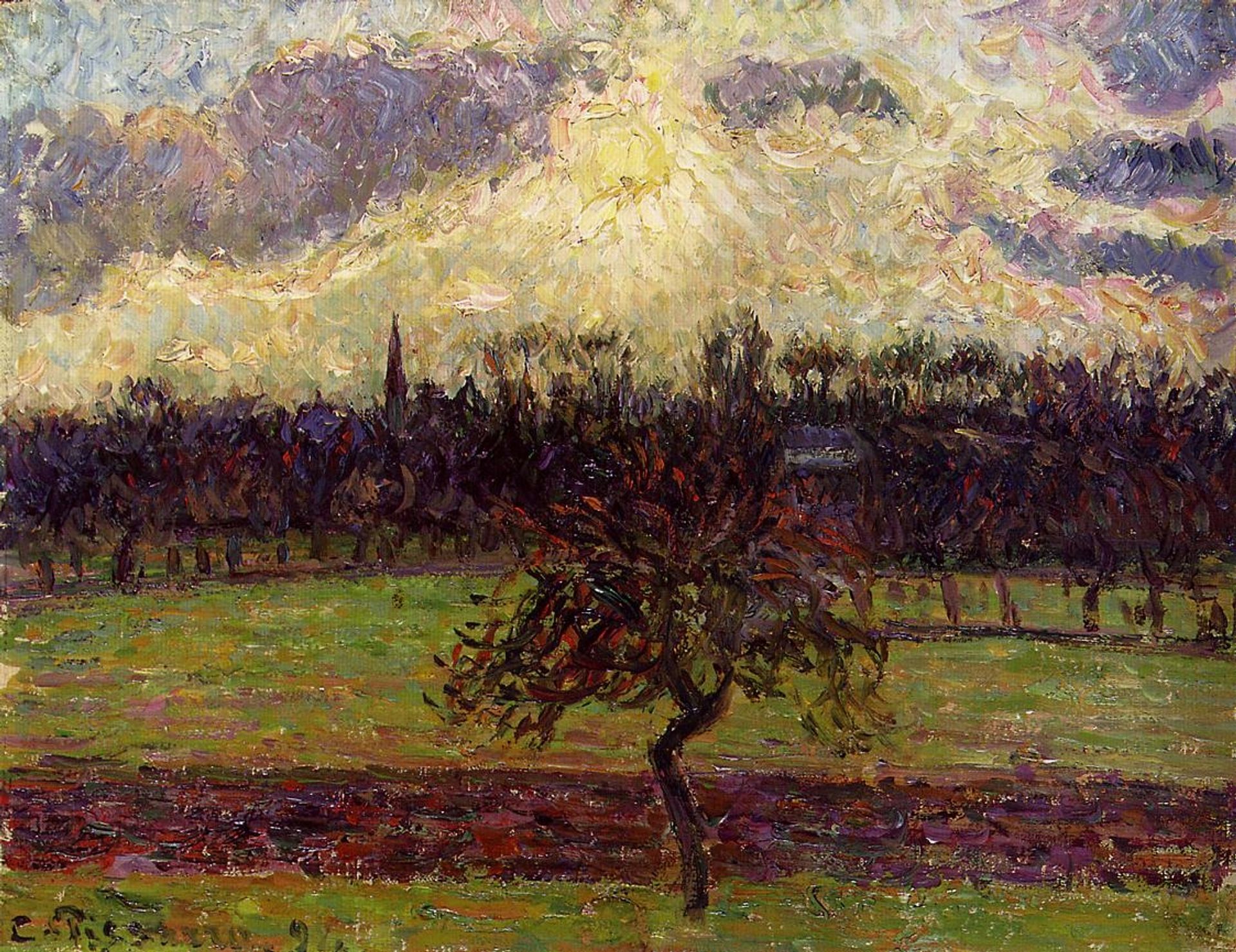
Camille Pissarro, a leading figure in the Impressionist movement, painted "The Fields of Eragny, the Apple Tree" using oil on canvas. Pissarro, of Jewish-Portuguese descent, often found himself an outsider, which perhaps fueled his empathy and commitment to social justice. His art frequently depicted rural life and the working class, challenging the art world's focus on bourgeois subjects. Here, the orchard becomes more than just a scene; it's a setting where the intersection of nature, labor, and community can be explored. Pissarro once said, "Everything is beautiful, all that matters is to be able to interpret." Consider how the apple tree, laden with fruit, symbolizes both the bounty of nature and the labor required to cultivate it. It's a testament to the dignity of rural life, a theme Pissarro championed throughout his career, and a reflection of the period’s changing cultural landscape. This painting invites us to reflect on our relationship with the land and with each other, urging us to find beauty and value in the ordinary.
The Fields of Eragny, the Apple Tree
1894

Camille Pissarro
1830 - 1903Location
Private CollectionArtwork details
- Dimensions
- 27.3 x 35.6 cm
- Location
- Private Collection
- Copyright
- Public domain
Comments
Share your thoughts
About this artwork
Camille Pissarro, a leading figure in the Impressionist movement, painted "The Fields of Eragny, the Apple Tree" using oil on canvas. Pissarro, of Jewish-Portuguese descent, often found himself an outsider, which perhaps fueled his empathy and commitment to social justice. His art frequently depicted rural life and the working class, challenging the art world's focus on bourgeois subjects. Here, the orchard becomes more than just a scene; it's a setting where the intersection of nature, labor, and community can be explored. Pissarro once said, "Everything is beautiful, all that matters is to be able to interpret." Consider how the apple tree, laden with fruit, symbolizes both the bounty of nature and the labor required to cultivate it. It's a testament to the dignity of rural life, a theme Pissarro championed throughout his career, and a reflection of the period’s changing cultural landscape. This painting invites us to reflect on our relationship with the land and with each other, urging us to find beauty and value in the ordinary.
Comments
Share your thoughts