About this artwork
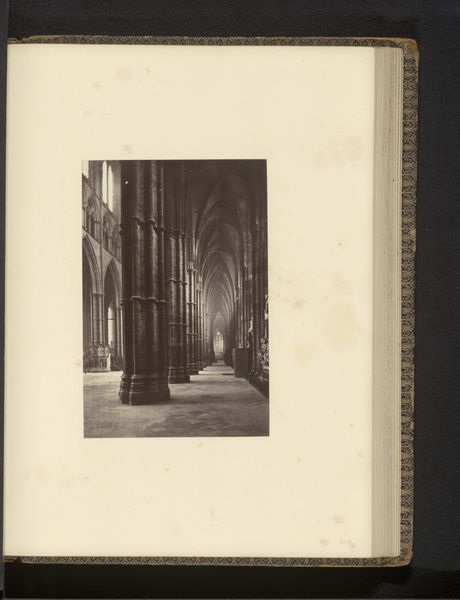
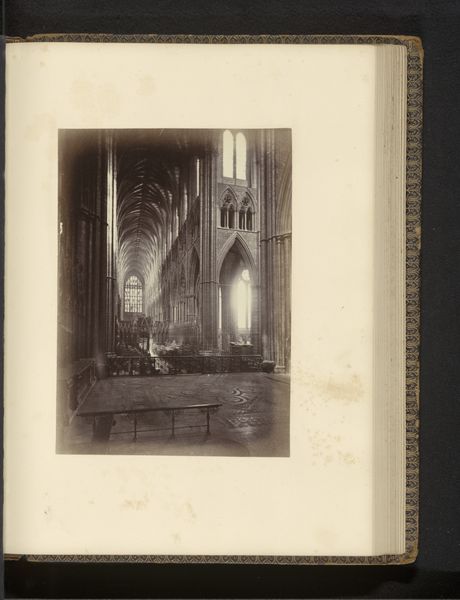
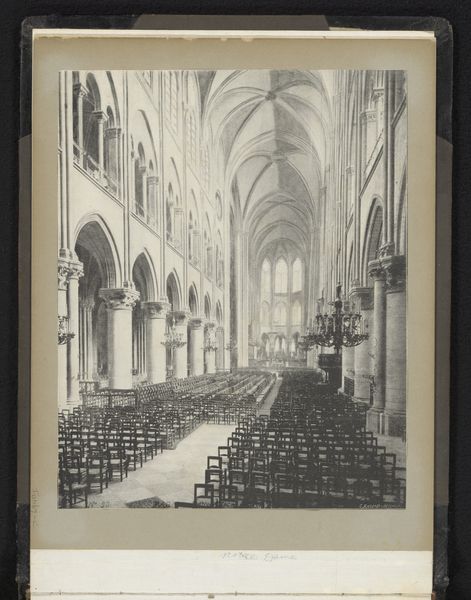
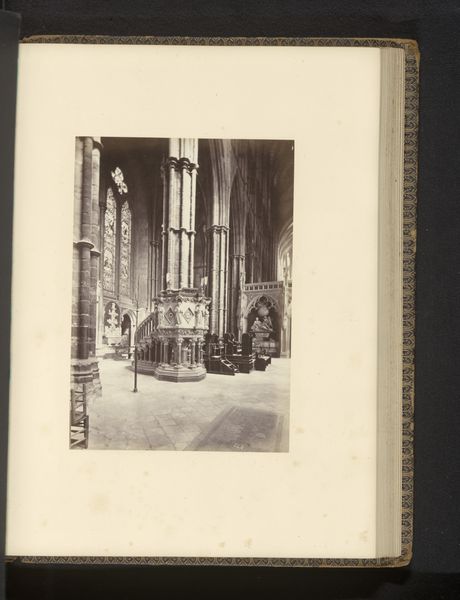
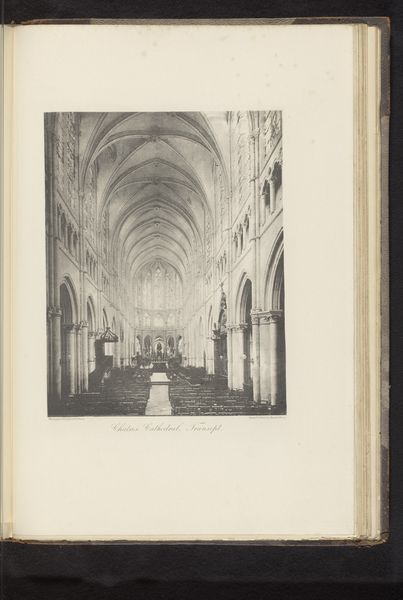
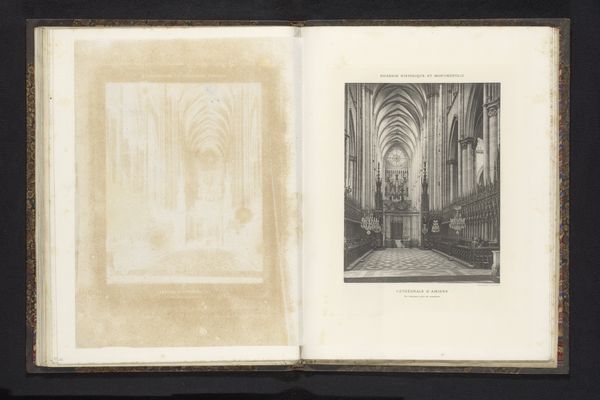
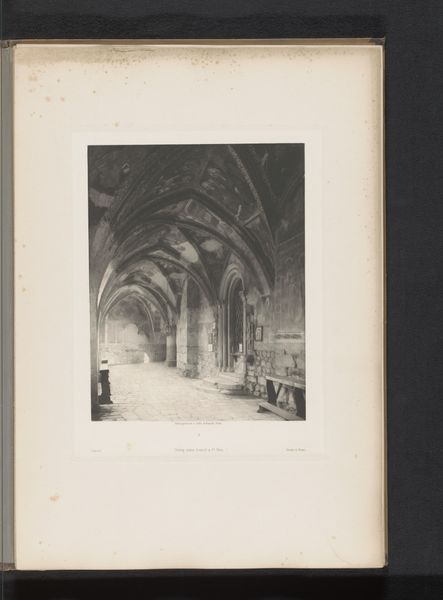
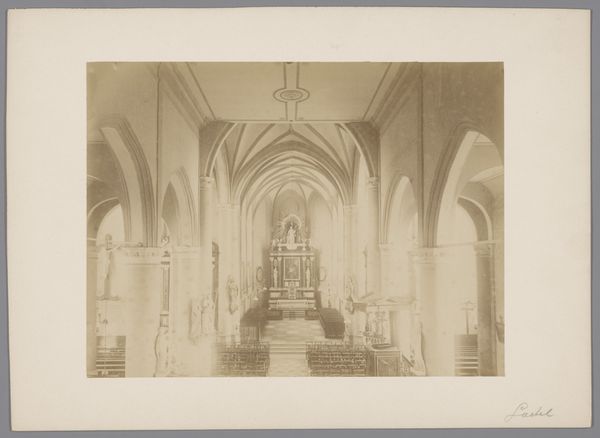
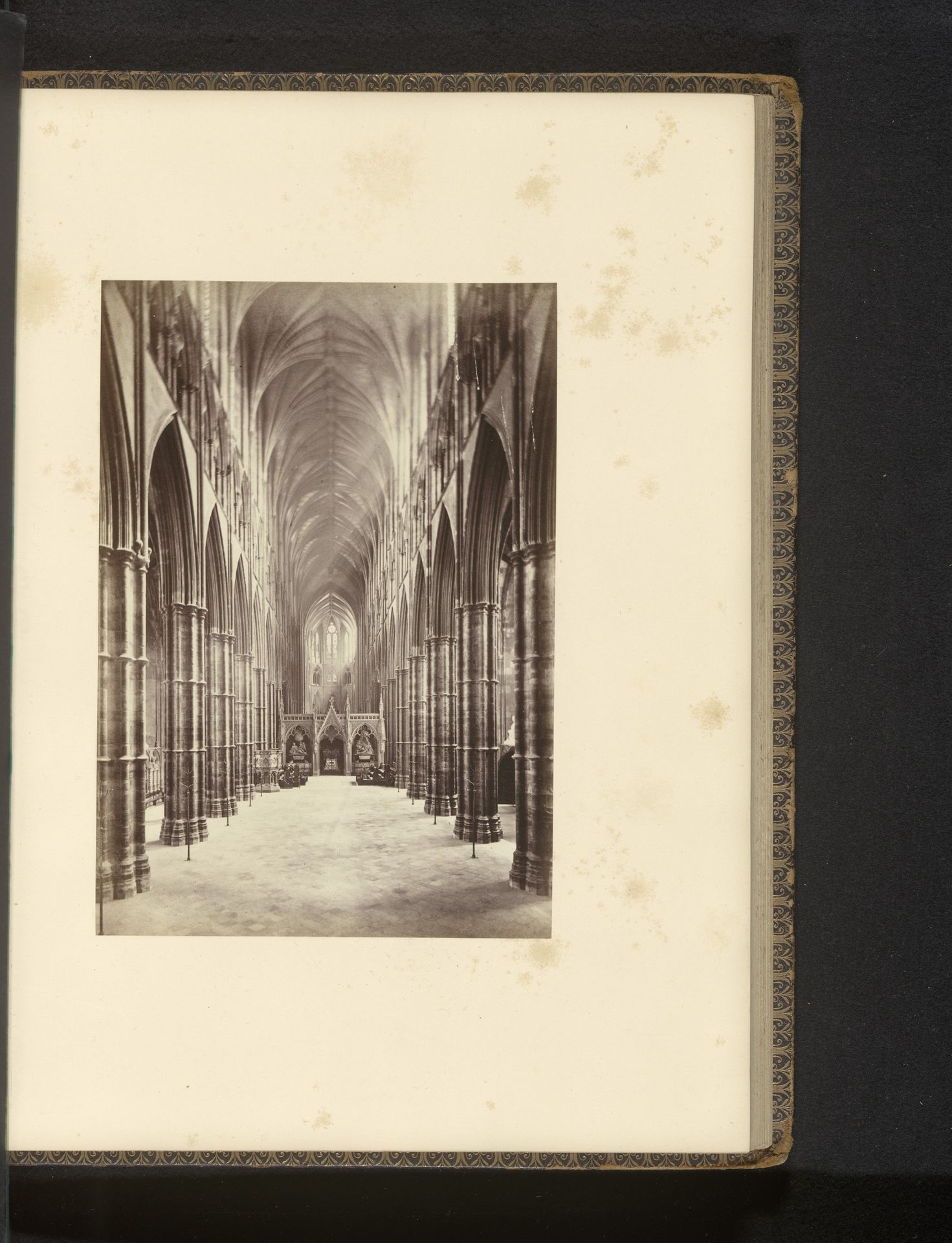
This photograph of Westminster Abbey, looking east, was made by John Harrington. It is a view of the nave, the great central space where the congregation gathers. The soaring columns and arches of the Abbey, made possible by innovative engineering, create an uplifting sense of spirituality. Yet this was also a product of collective labor. Each stone had to be quarried, cut, transported, and carefully placed. The masons and builders who worked on the Abbey possessed generations of accumulated knowledge, a craft tradition passed down through apprenticeship. The photograph itself, though only a sliver of the size of the real Abbey, embodies labor as well. Harrington would have used a large-format camera and glass plate negatives, a process demanding skill and patience. And consider the social dynamics: the Abbey, a monument to faith and power, now documented and disseminated through the relatively new technology of photography. By considering the Abbey and the photograph as crafted objects, we see how materiality, making, and context intertwine, enriching our understanding of art and history.
Het schip in Westminster Abbey, kijkend naar het oosten
before 1869

Artwork details
- Dimensions
- height 188 mm, width 131 mm
- Copyright
- Rijks Museum: Open Domain
Tags
Comments
Share your thoughts
About this artwork
This photograph of Westminster Abbey, looking east, was made by John Harrington. It is a view of the nave, the great central space where the congregation gathers. The soaring columns and arches of the Abbey, made possible by innovative engineering, create an uplifting sense of spirituality. Yet this was also a product of collective labor. Each stone had to be quarried, cut, transported, and carefully placed. The masons and builders who worked on the Abbey possessed generations of accumulated knowledge, a craft tradition passed down through apprenticeship. The photograph itself, though only a sliver of the size of the real Abbey, embodies labor as well. Harrington would have used a large-format camera and glass plate negatives, a process demanding skill and patience. And consider the social dynamics: the Abbey, a monument to faith and power, now documented and disseminated through the relatively new technology of photography. By considering the Abbey and the photograph as crafted objects, we see how materiality, making, and context intertwine, enriching our understanding of art and history.
Comments
Share your thoughts