c. 1825 - 1875
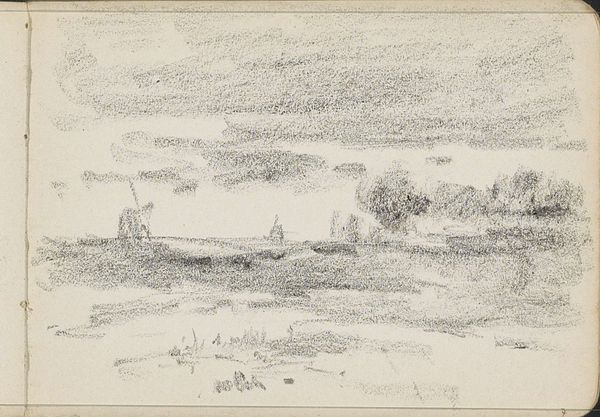
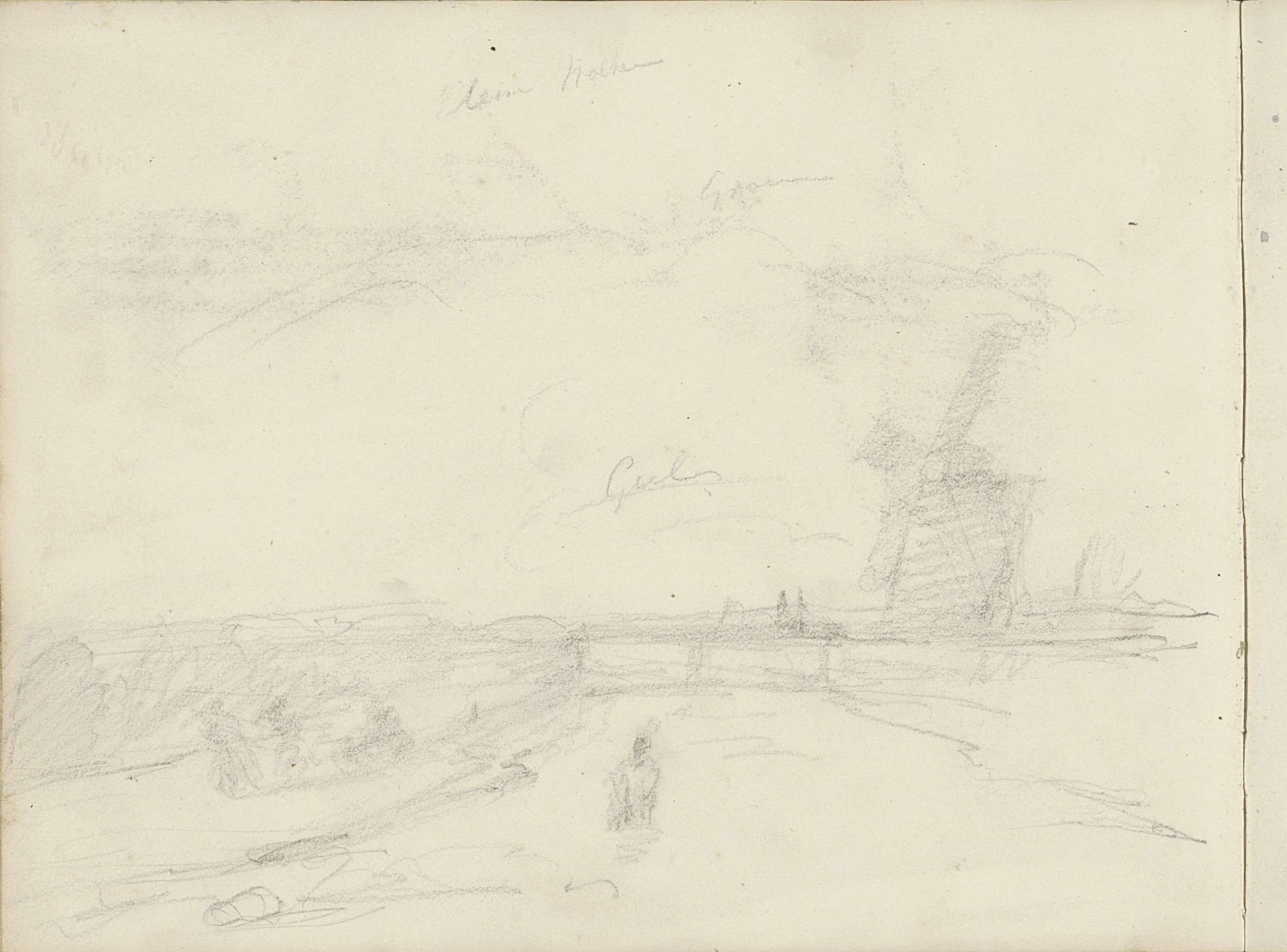
Landschap met water en een molen

Petrus Johannes Schotel
1808 - 1865Location
RijksmuseumListen to curator's interpretation
Curatorial notes
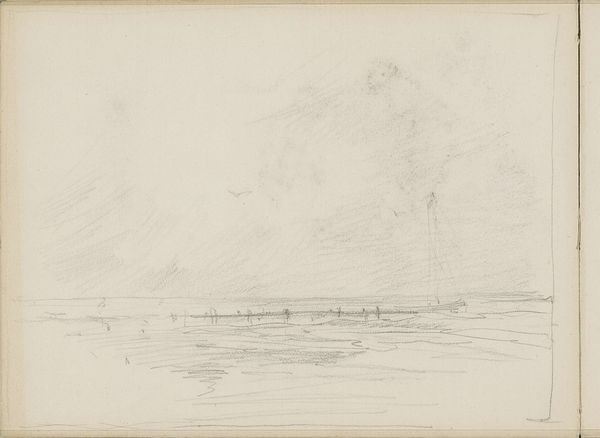
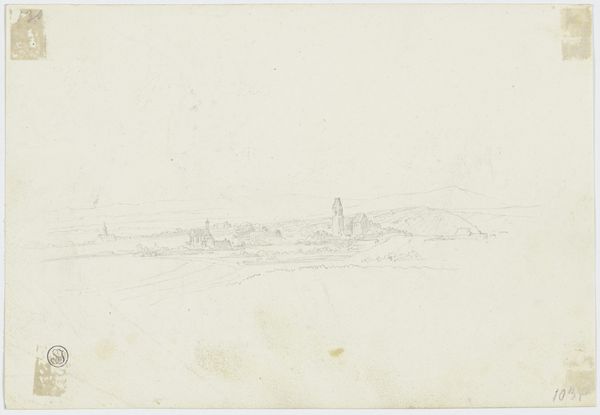
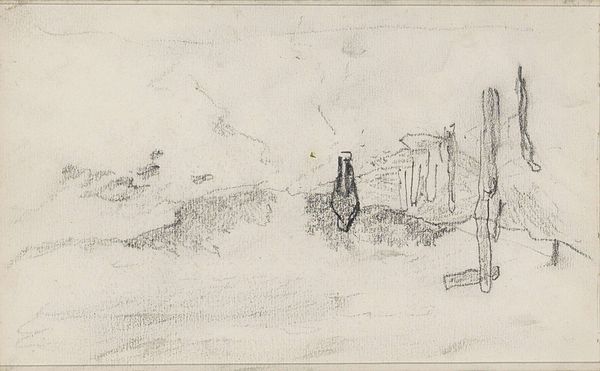
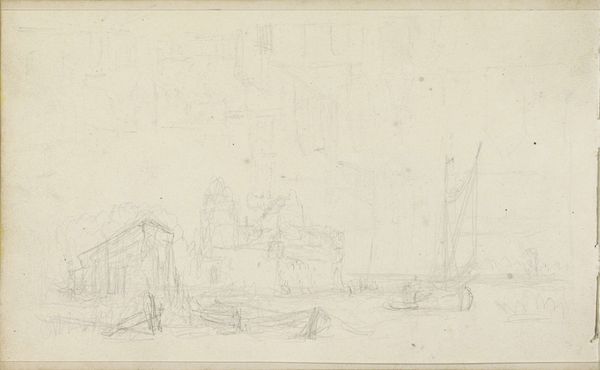
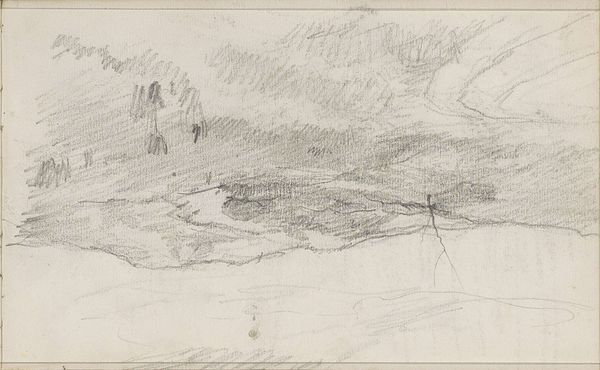
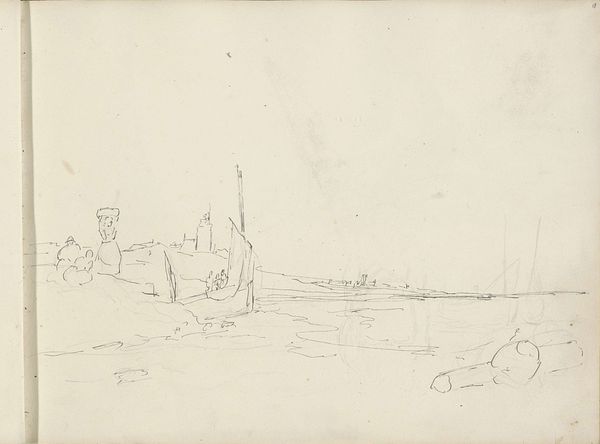
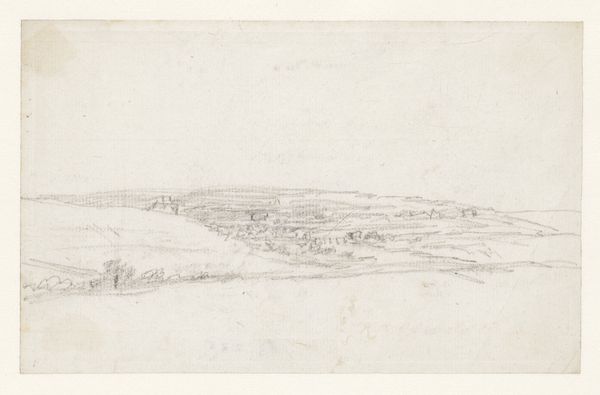
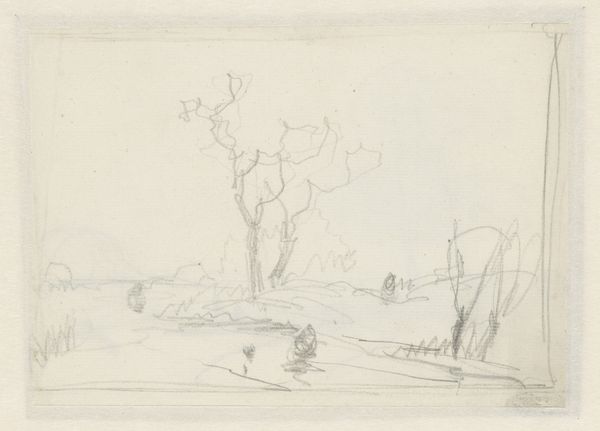
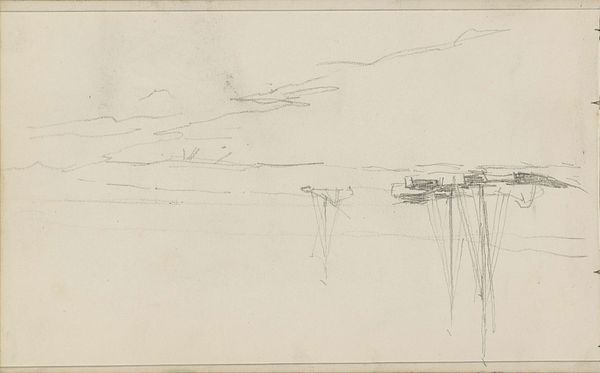
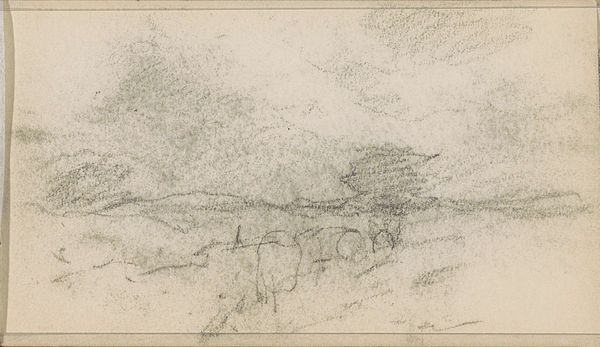
Petrus Johannes Schotel made this sketch, "Landschap met water en een molen," using graphite. As an artist working in the 19th century, Schotel navigated a cultural landscape that was increasingly shaped by industrialization and urbanization. During this time, the Netherlands experienced significant economic and social changes, and Schotel's choice to depict a rural scene with a windmill can be interpreted as a commentary on the changing relationship between humanity and the natural world. This piece captures an idyllic scene with a body of water and a traditional windmill, evoking a sense of nostalgia for a simpler way of life. In the context of 19th-century Holland, the image of the windmill, a symbol of Dutch ingenuity and independence, takes on a deeper meaning, representing both a connection to the past and a hope for the future. The soft, almost ethereal rendering of the landscape invites us to reflect on our own place within the natural world.