
Curatorial notes
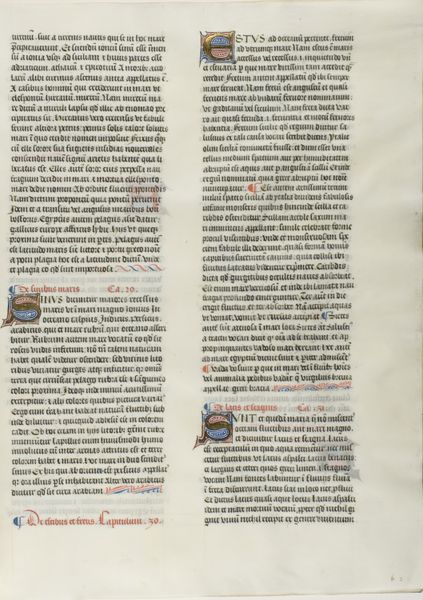
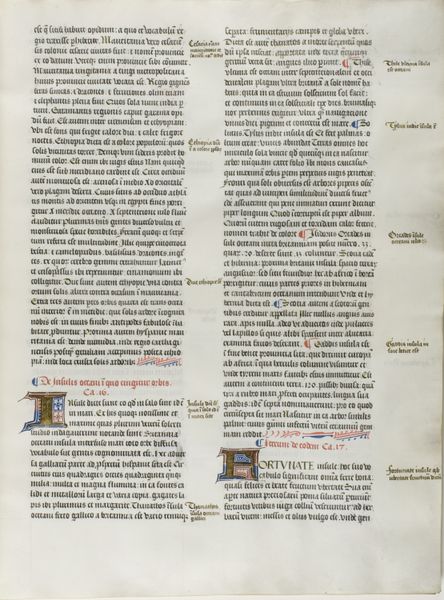
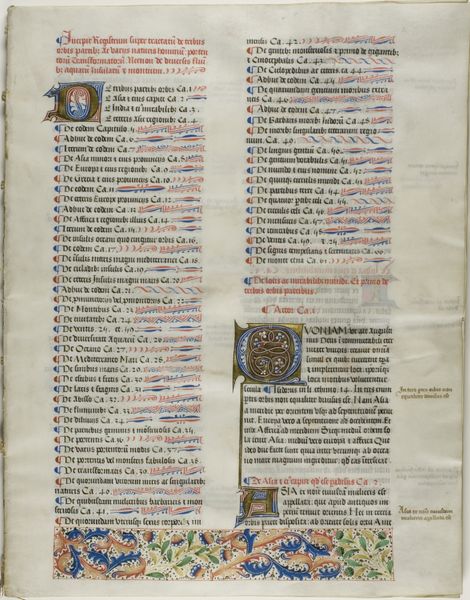
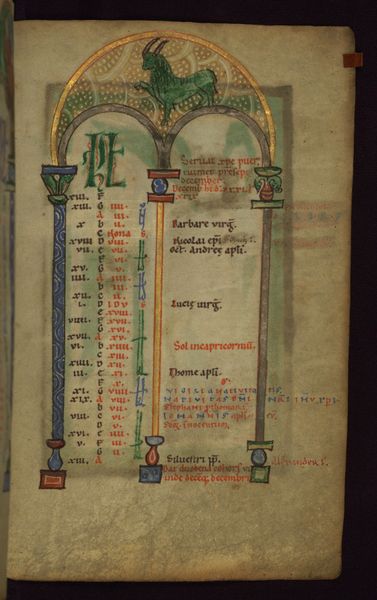
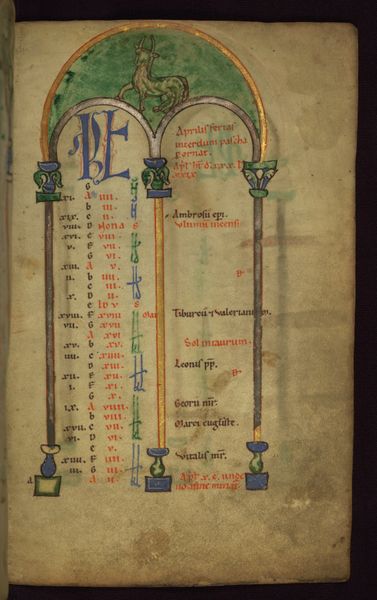
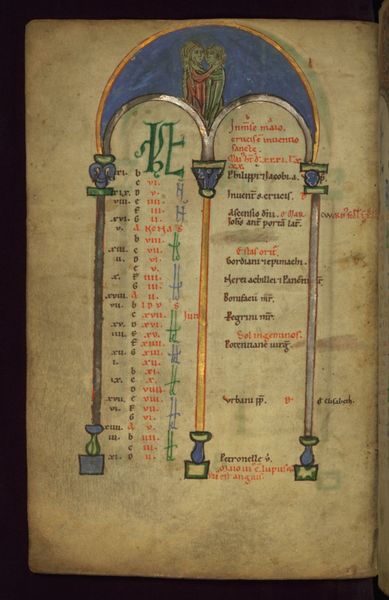
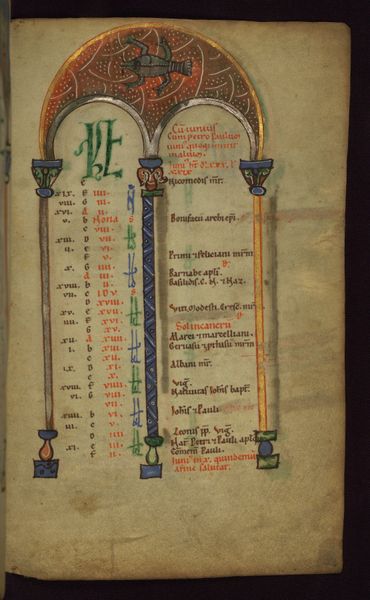
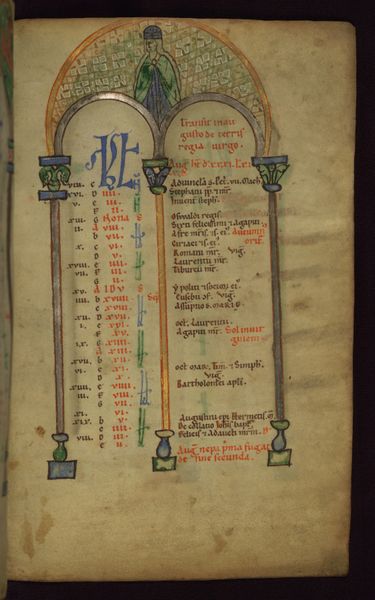
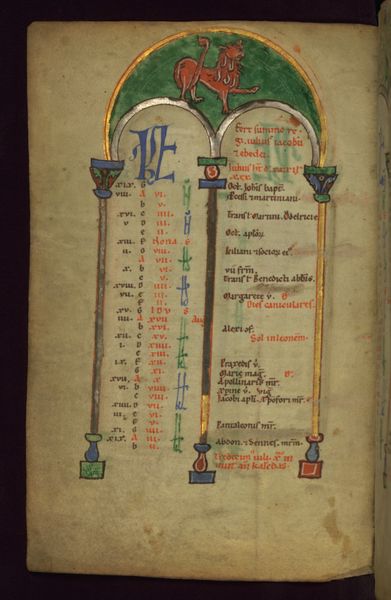
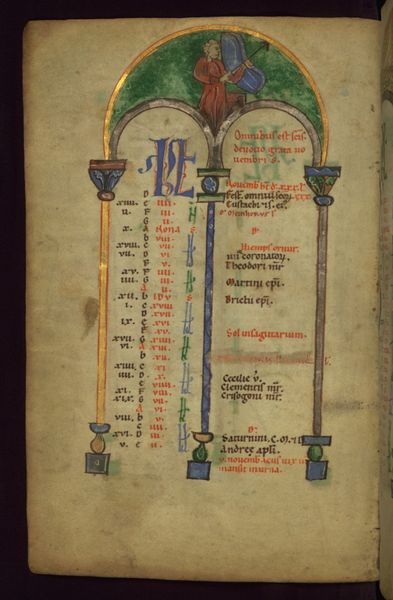
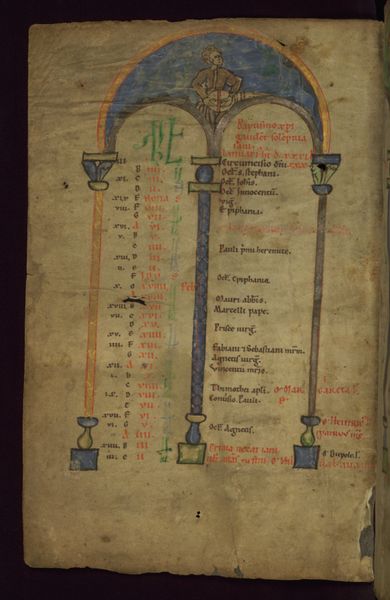
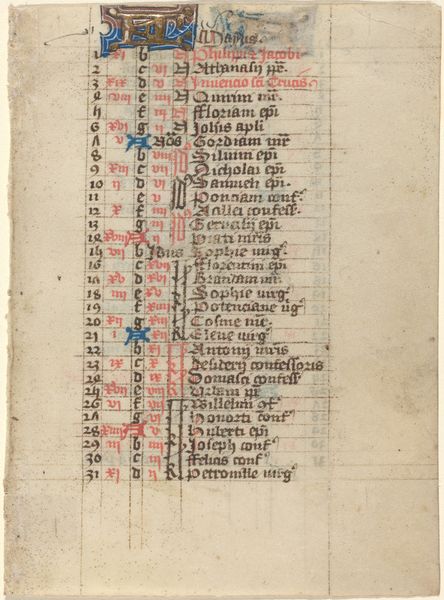
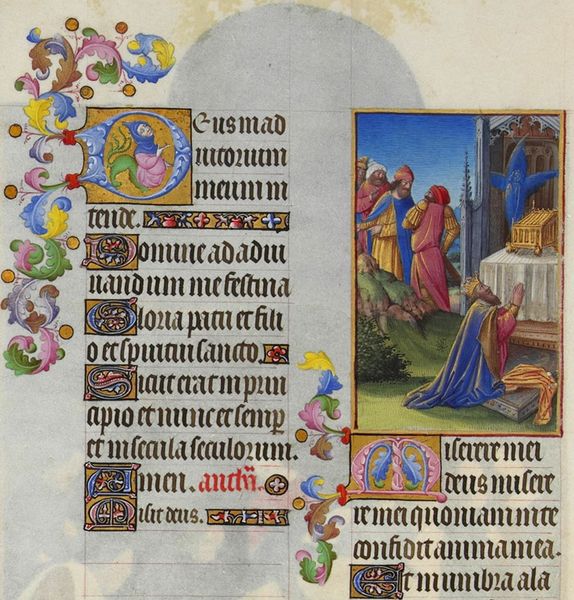
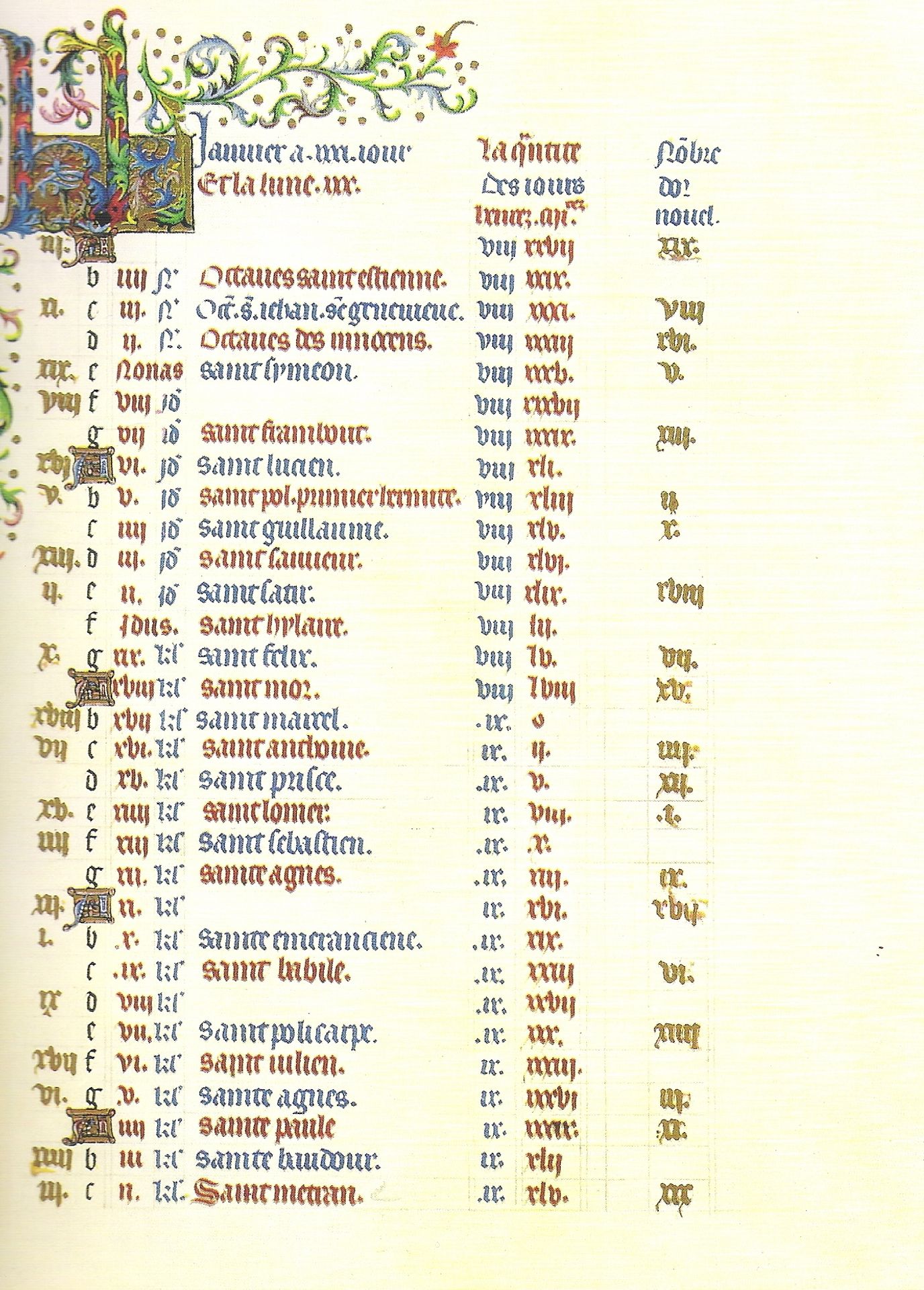
Curator: Here we have "Calendar January," a page likely taken from a larger illuminated manuscript. Editor: My immediate impression is one of immense detail and a remarkable level of artisanal skill, particularly the miniature script and those decorative borders. It feels delicate and precious. Curator: Exactly. Consider that the Limbourg brothers, the artists believed responsible for this work, used ink and drawings on paper to produce it. The materials are relatively simple, but the labour... The process of creating such detail by hand speaks to the highly specialized craft traditions of the period. Editor: That's fascinating. It also puts into context its likely patron: someone with substantial resources, able to commission such an elaborate, time-consuming piece. A reflection of power and status in image form. Curator: Absolutely. International Gothic was associated with wealth and refinement. Look at how the calligraphy emphasizes form and decorative aspects more than pure function. The illuminations visually represent wealth as well through precious mineral pigments. Editor: Do you think a contemporary audience fully appreciated the labor that went into these books? Curator: I believe so. Manuscript production was a complex social activity involving scribes, illuminators, bookbinders and patrons who directly benefited. Their skills represented specialized forms of knowledge within courtly society. Editor: Considering this Calendar January’s place within a book, possibly a Book of Hours, its display in a modern gallery or museum creates a rather new reception. I’m left to ponder how political context shifts over time, particularly around ideas like “luxury”. Curator: Indeed. These leaves allow us to reflect on both art and its intricate journey from workshops and private collections to today’s public presentation and perception. Editor: A potent reminder that even seemingly fragile objects like these calendars carry significant material, historical, and social weight.