About this artwork
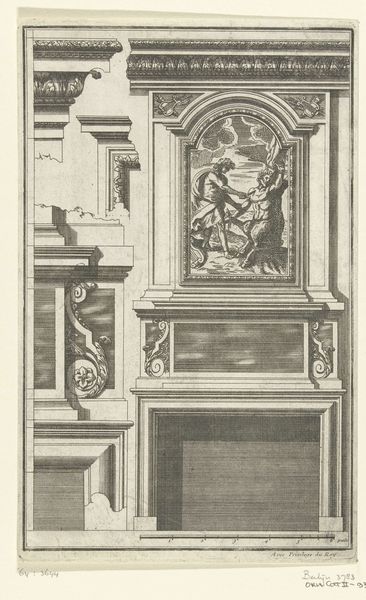
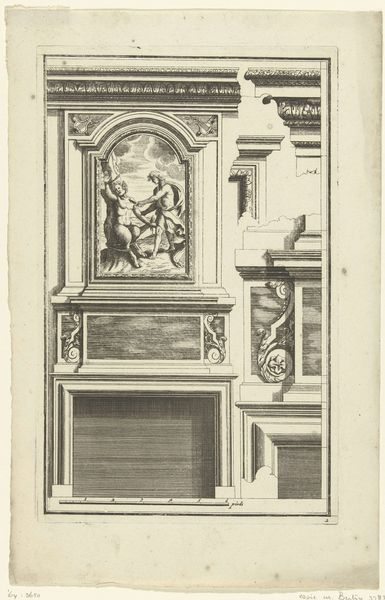
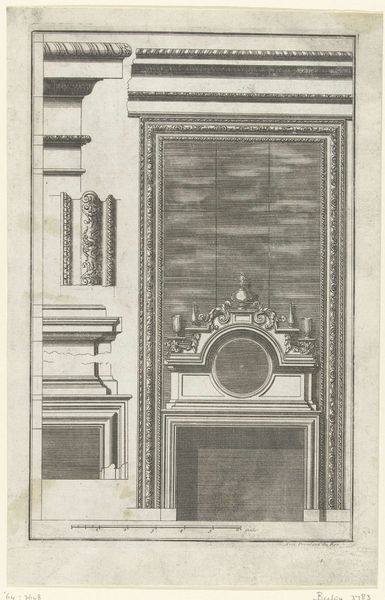
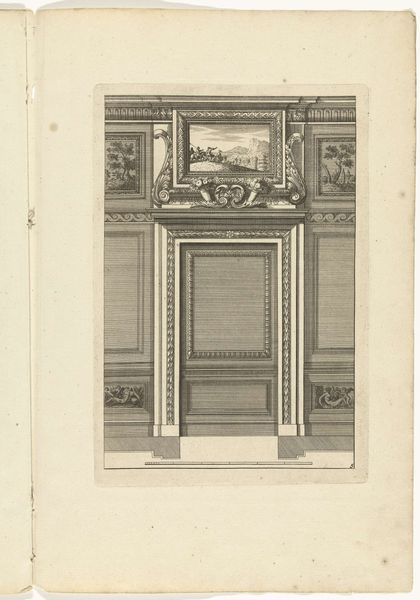
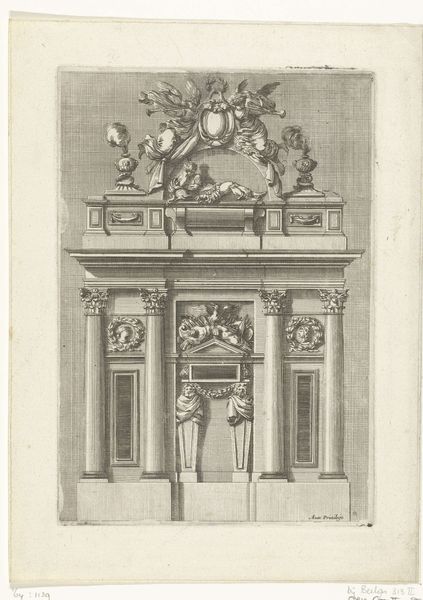
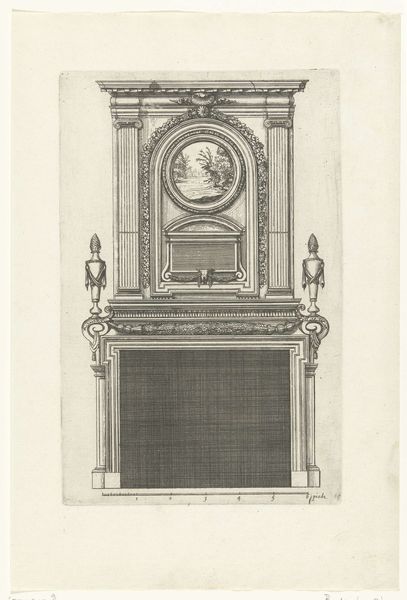
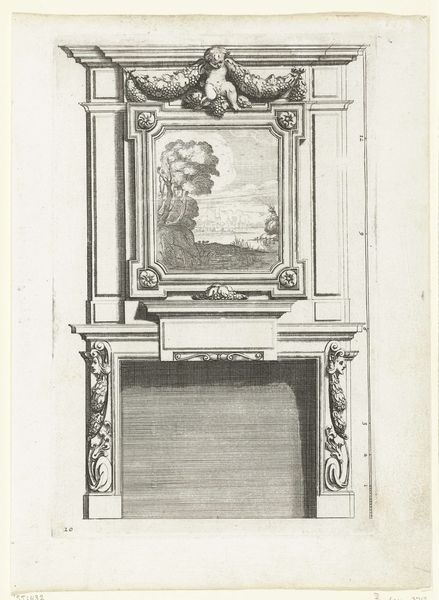
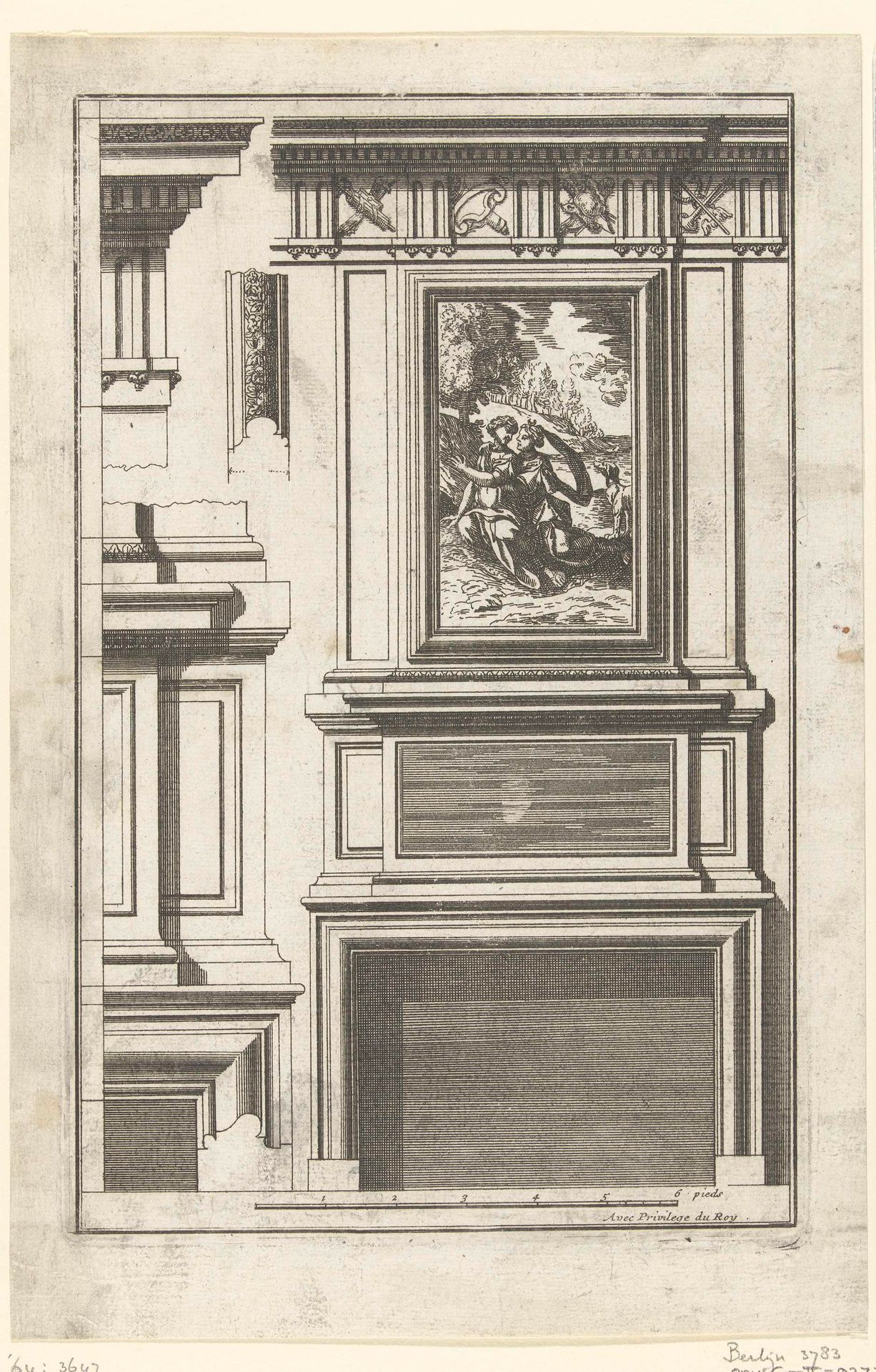
Francois de Poilly created this print titled, "Onderboezem met Jupiter en Callisto" in the 17th century. The image shows a fireplace design, with an inset mythological scene. De Poilly was working in a world steeped in the narratives of powerful men and gods, where the stories of women were often told through the lens of male desire and dominance. Here, we see Jupiter's encounter with Callisto, a story ripe with themes of power, seduction, and transformation. The tale reflects the cultural norms of a time when the transgressions of gods were often used to normalize the behaviors of men in power. Callisto's fate, transformed into a bear by a vengeful Juno, speaks to the limited agency women held. The print serves not just as a design but as a reflection of the social structures in which women's bodies and stories were often controlled and manipulated. Consider the emotional weight carried by Callisto, a figure caught in a web of divine machinations. The fireplace becomes a domestic stage for a drama of identity and fate.
Onderboezem met Jupiter en Callisto
1632 - 1693

Francois de Poilly
1623 - 1693Location
RijksmuseumArtwork details
- Medium
- print, etching, engraving
- Dimensions
- height 261 mm, width 168 mm
- Location
- Rijksmuseum
- Copyright
- Rijks Museum: Open Domain
Tags
baroque
etching
figuration
line
history-painting
engraving
Comments
Be the first to share your thoughts about this work.
About this artwork
Francois de Poilly created this print titled, "Onderboezem met Jupiter en Callisto" in the 17th century. The image shows a fireplace design, with an inset mythological scene. De Poilly was working in a world steeped in the narratives of powerful men and gods, where the stories of women were often told through the lens of male desire and dominance. Here, we see Jupiter's encounter with Callisto, a story ripe with themes of power, seduction, and transformation. The tale reflects the cultural norms of a time when the transgressions of gods were often used to normalize the behaviors of men in power. Callisto's fate, transformed into a bear by a vengeful Juno, speaks to the limited agency women held. The print serves not just as a design but as a reflection of the social structures in which women's bodies and stories were often controlled and manipulated. Consider the emotional weight carried by Callisto, a figure caught in a web of divine machinations. The fireplace becomes a domestic stage for a drama of identity and fate.
Comments
Be the first to share your thoughts about this work.