About this artwork
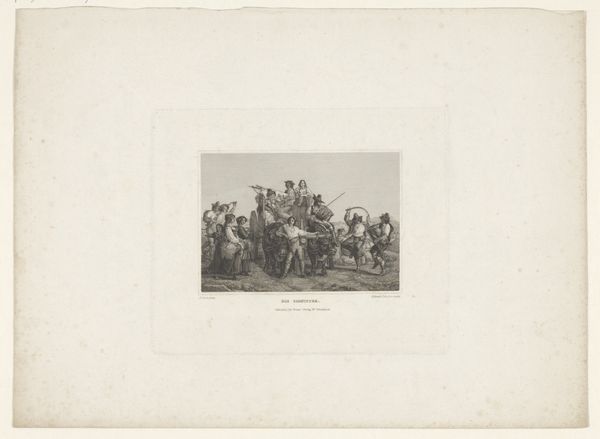
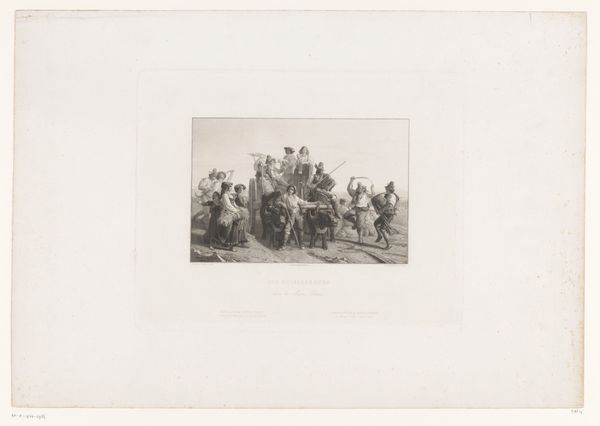
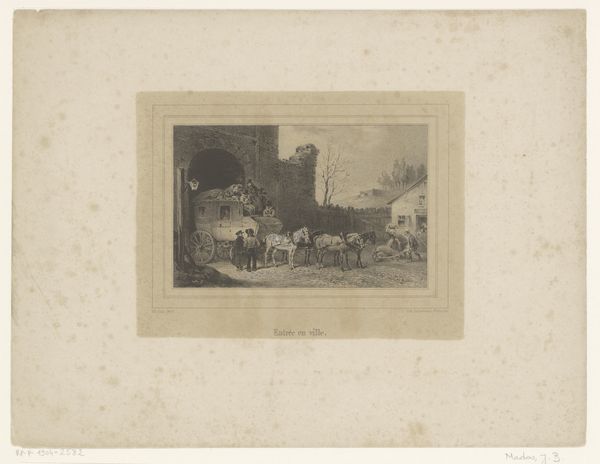
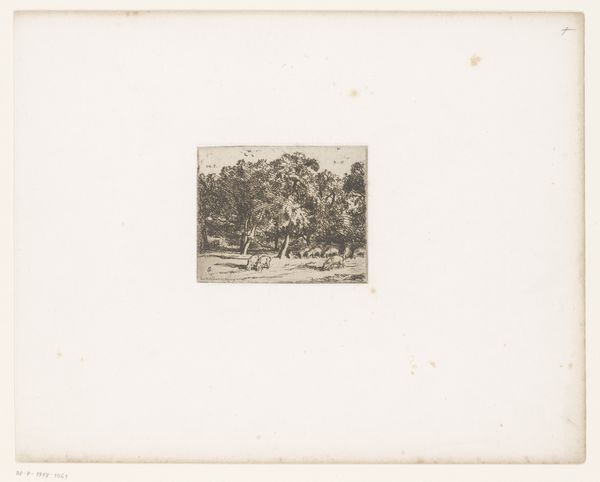
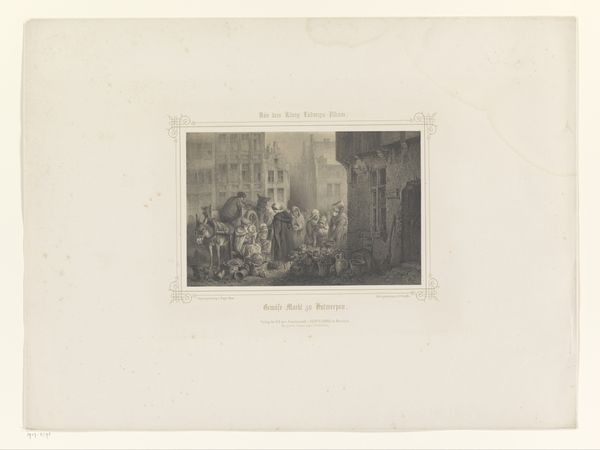
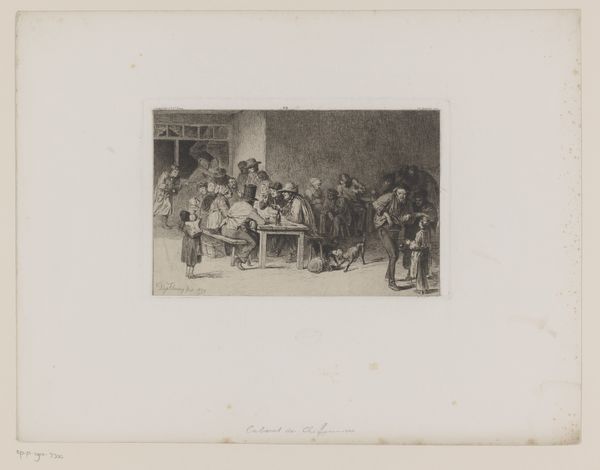
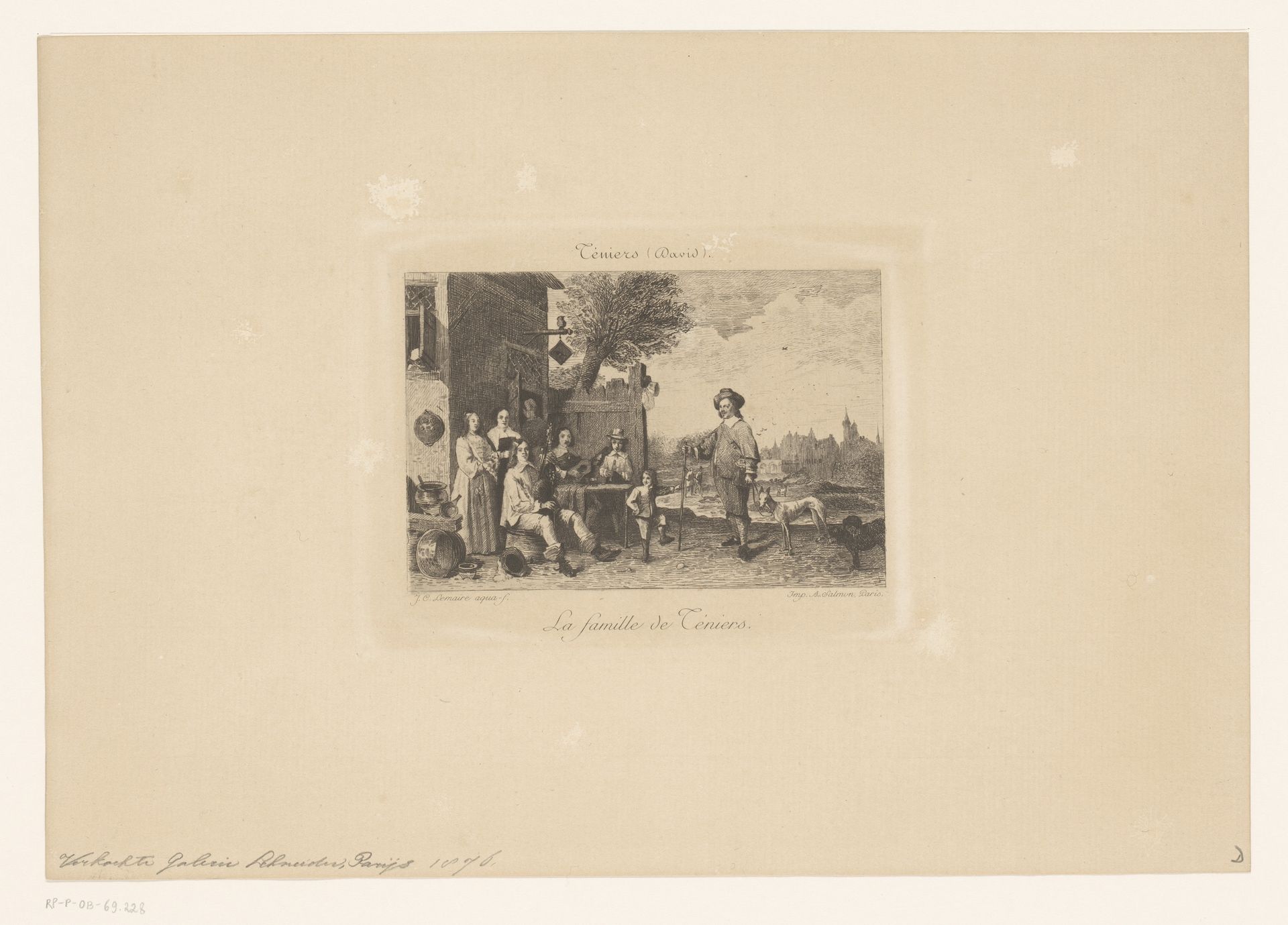
This family portrait of David Teniers was rendered in printmaking by J.C. Lemaire. It offers a fascinating glimpse into the life and social context of a prominent 17th-century Flemish artist. Teniers, celebrated for his genre paintings depicting peasant life, is shown here with his family, not in a lavish interior, but in a more modest outdoor setting. This choice speaks volumes about the artist's identity and the values he wished to project. The setting—perhaps a tavern or a modest home—contrasts sharply with the opulent displays of wealth favored by the aristocracy. The inclusion of Teniers himself in the scene, along with his family, suggests a desire to portray himself as a man of the people, closely connected to his community. This image challenges the traditional hierarchies of portraiture, blurring the lines between high and low culture. To fully understand this work, one would need to delve into the social history of the Netherlands, examining the role of artists in shaping public perceptions and challenging social norms. Only through careful study of such historical sources can we truly appreciate the complex interplay between art, identity, and society.

Artwork details
- Medium
- print, engraving
- Dimensions
- height 102 mm, width 143 mm
- Copyright
- Rijks Museum: Open Domain
Tags
Comments
Share your thoughts
About this artwork
This family portrait of David Teniers was rendered in printmaking by J.C. Lemaire. It offers a fascinating glimpse into the life and social context of a prominent 17th-century Flemish artist. Teniers, celebrated for his genre paintings depicting peasant life, is shown here with his family, not in a lavish interior, but in a more modest outdoor setting. This choice speaks volumes about the artist's identity and the values he wished to project. The setting—perhaps a tavern or a modest home—contrasts sharply with the opulent displays of wealth favored by the aristocracy. The inclusion of Teniers himself in the scene, along with his family, suggests a desire to portray himself as a man of the people, closely connected to his community. This image challenges the traditional hierarchies of portraiture, blurring the lines between high and low culture. To fully understand this work, one would need to delve into the social history of the Netherlands, examining the role of artists in shaping public perceptions and challenging social norms. Only through careful study of such historical sources can we truly appreciate the complex interplay between art, identity, and society.
Comments
Share your thoughts