About this artwork
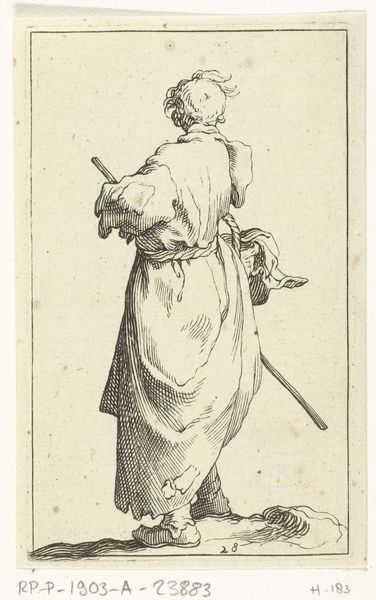
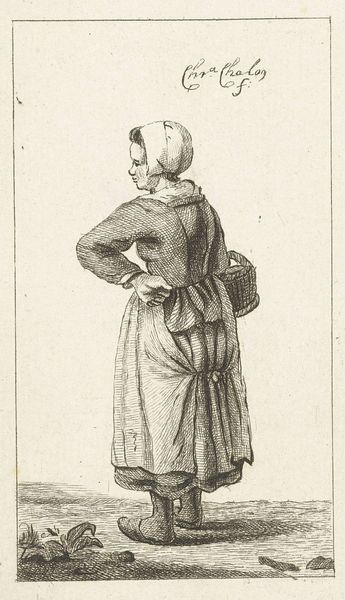
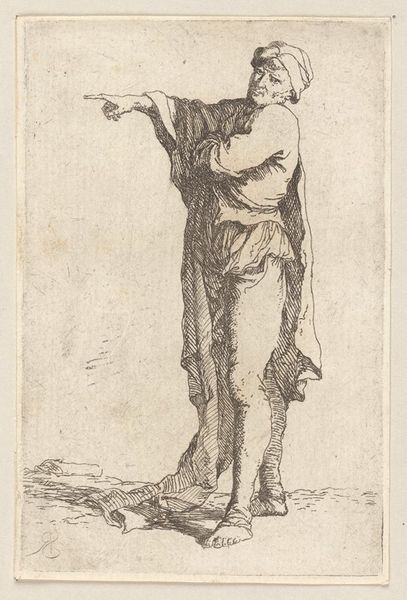
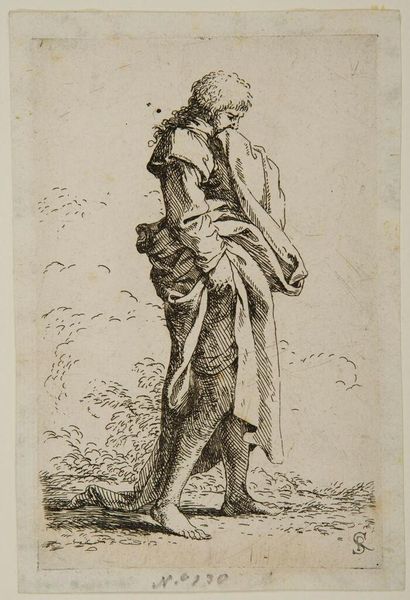
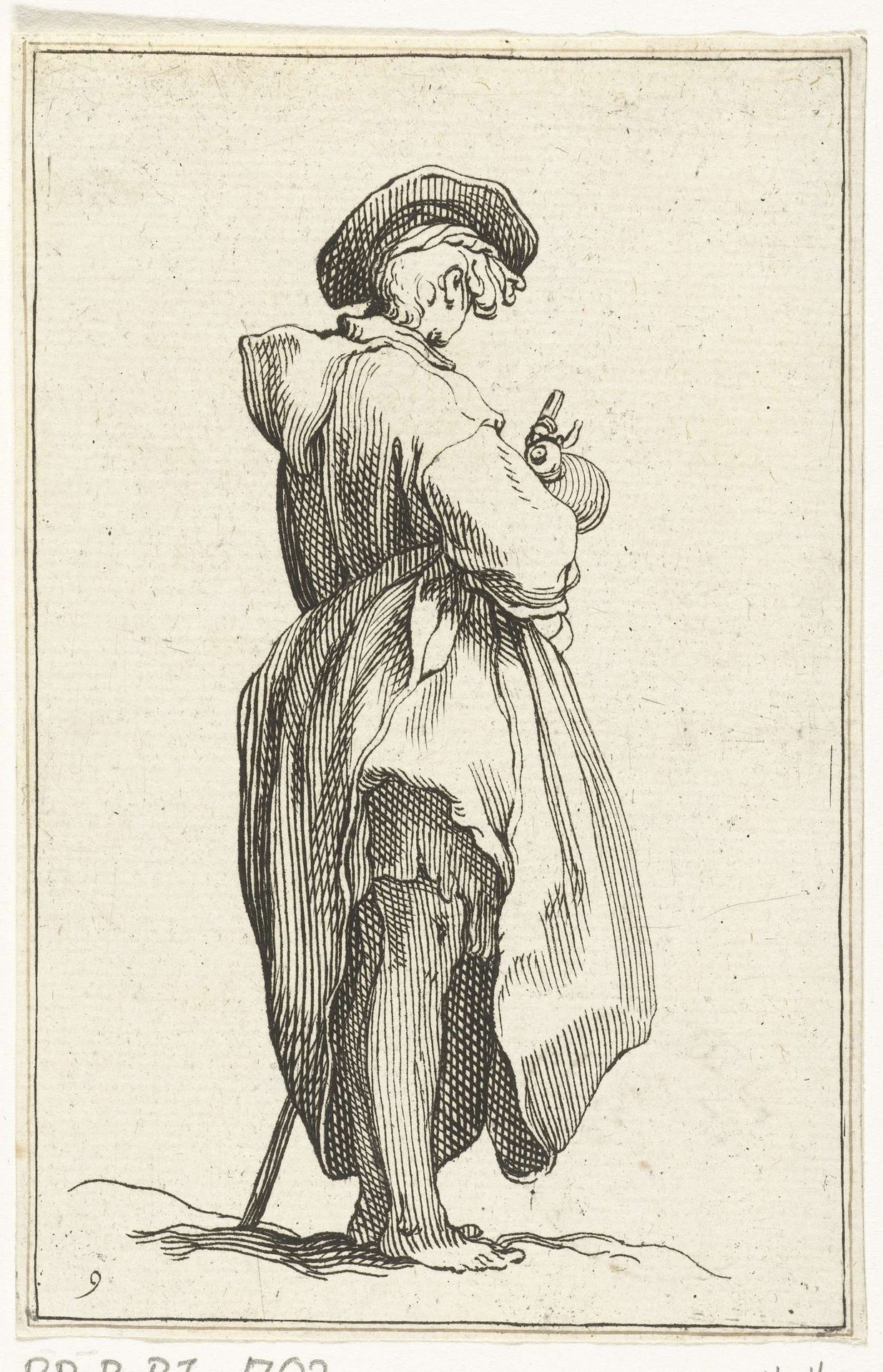
Frederick Bloemaert created this etching called ‘Young Farmer’ in the 17th century. This was a period marked by significant social stratification and economic disparity, particularly in rural communities. Bloemaert’s image presents a figure of a young farmer who appears both vulnerable and resilient. His posture suggests weariness, yet there’s a sense of self-possession in the way he holds himself. During this time, farmers were crucial to the Dutch economy, but they often faced marginalization and hardship. Bloemaert captures the essence of their daily existence. The bare feet and simple clothing indicate the farmer’s class. Bloemaert challenges the viewer to consider the dignity and humanity of those who labor on the land. This etching serves as a poignant reminder of the lives and struggles of the working class, inviting us to reflect on the intersections of labor, identity, and representation in art.

Artwork details
- Medium
- drawing, print, etching, pen
- Dimensions
- height 130 mm, width 80 mm
- Location
- Rijksmuseum
- Copyright
- Rijks Museum: Open Domain
Tags
Comments
Share your thoughts
About this artwork
Frederick Bloemaert created this etching called ‘Young Farmer’ in the 17th century. This was a period marked by significant social stratification and economic disparity, particularly in rural communities. Bloemaert’s image presents a figure of a young farmer who appears both vulnerable and resilient. His posture suggests weariness, yet there’s a sense of self-possession in the way he holds himself. During this time, farmers were crucial to the Dutch economy, but they often faced marginalization and hardship. Bloemaert captures the essence of their daily existence. The bare feet and simple clothing indicate the farmer’s class. Bloemaert challenges the viewer to consider the dignity and humanity of those who labor on the land. This etching serves as a poignant reminder of the lives and struggles of the working class, inviting us to reflect on the intersections of labor, identity, and representation in art.
Comments
Share your thoughts