About this artwork
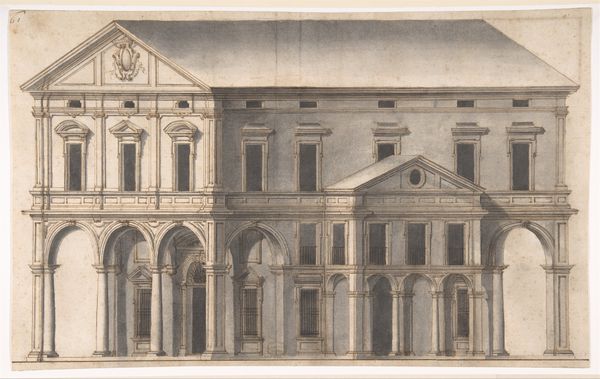
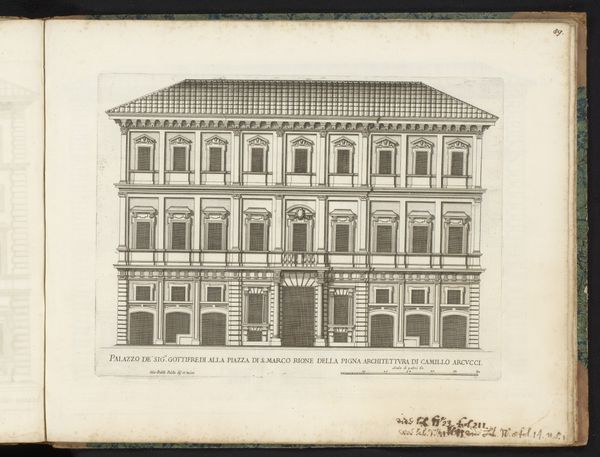
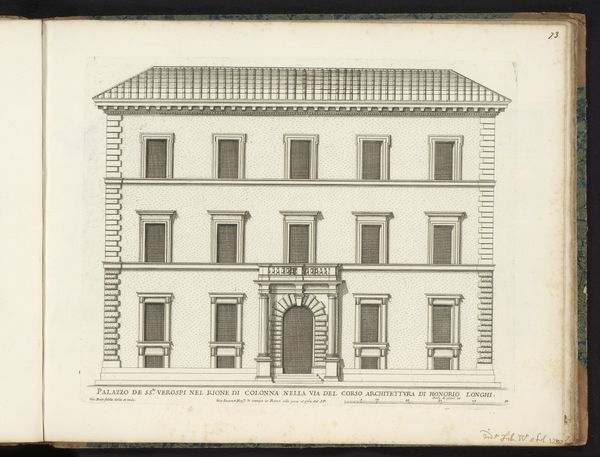
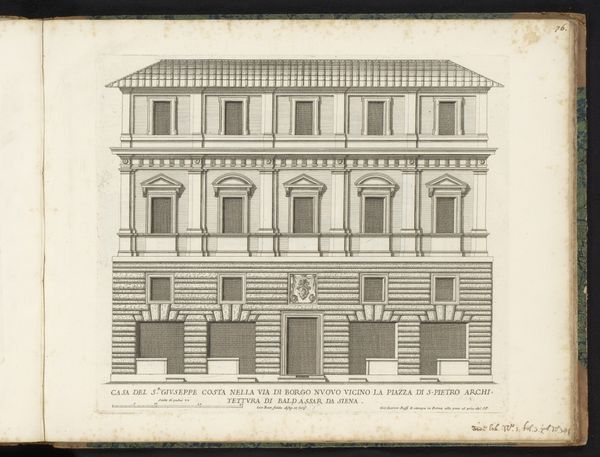
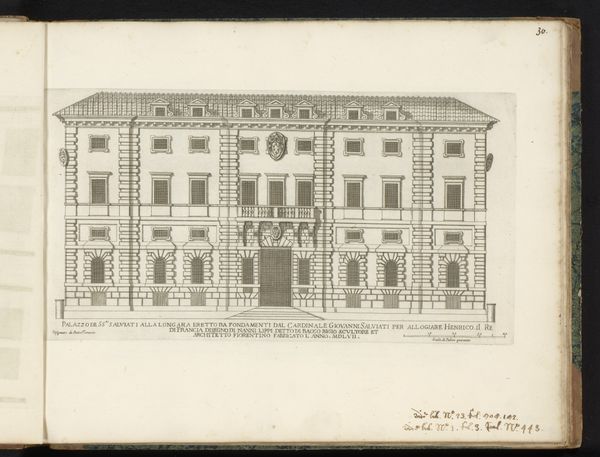
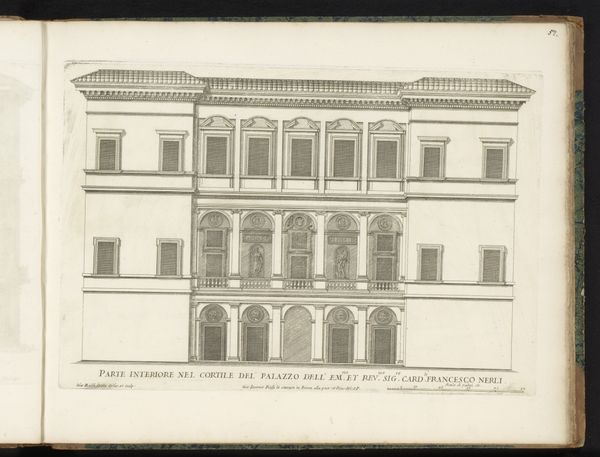
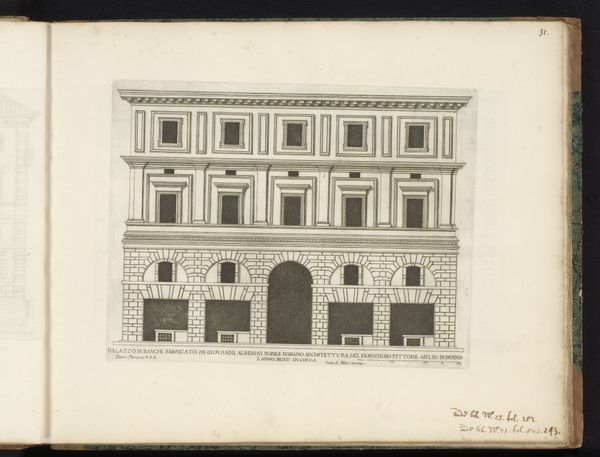
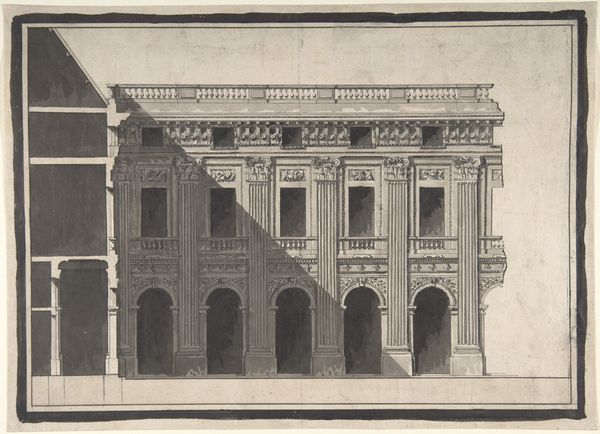
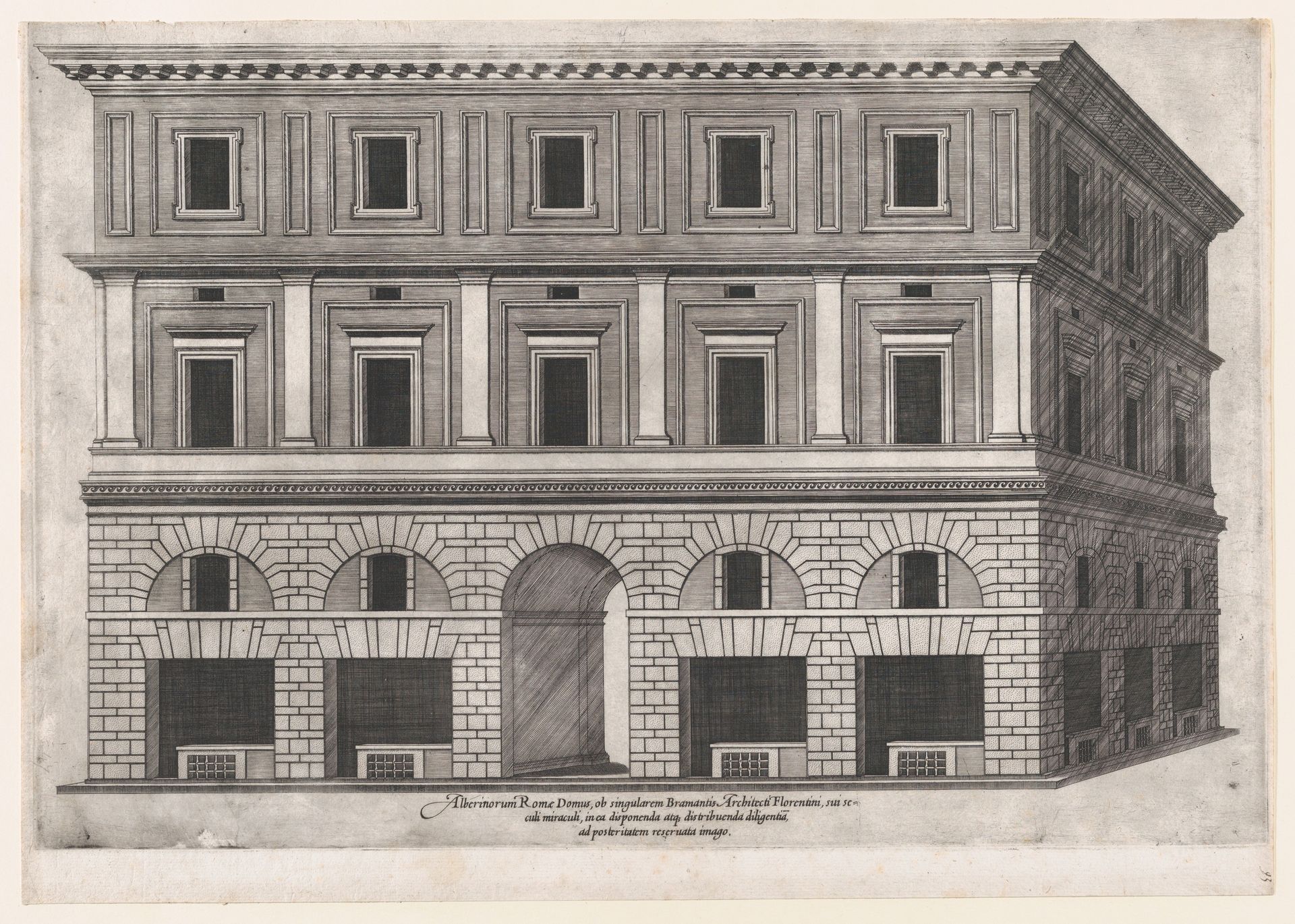
This engraving, titled *Speculum Romanae Magnificentiae: Alberini Palace*, showcases the Alberini Palace and comes from a collection that aimed to document the architectural wonders of Rome. It was produced by an anonymous artist at an unknown date. The "Speculum" series, which translates to "Mirror of Roman Magnificence", served as a visual archive, reflecting Rome's ambition to present itself as a center of power and culture. The image is not just a depiction of architecture, but also a statement about social hierarchies. Palaces like the Alberini were physical manifestations of wealth and status, symbols of familial power in a city governed by elite families. What stories do these stones hold? What does it mean to build and display such grandeur in a society marked by inequality? This image invites us to consider the relationship between architectural space, social identity, and the politics of representation in early modern Rome.
Speculum Romanae Magnificentiae: Alberini Palace
1530 - 1580


Artwork details
- Medium
- drawing, print, architecture
- Dimensions
- sheet: 13 9/16 x 19 3/16 in. (34.4 x 48.8 cm) plate: 12 11/16 x 18 7/8 in. (32.2 x 48 cm)
- Location
- Metropolitan Museum of Art, New York, NY
- Copyright
- Public Domain
Tags
Comments
Share your thoughts
About this artwork
This engraving, titled *Speculum Romanae Magnificentiae: Alberini Palace*, showcases the Alberini Palace and comes from a collection that aimed to document the architectural wonders of Rome. It was produced by an anonymous artist at an unknown date. The "Speculum" series, which translates to "Mirror of Roman Magnificence", served as a visual archive, reflecting Rome's ambition to present itself as a center of power and culture. The image is not just a depiction of architecture, but also a statement about social hierarchies. Palaces like the Alberini were physical manifestations of wealth and status, symbols of familial power in a city governed by elite families. What stories do these stones hold? What does it mean to build and display such grandeur in a society marked by inequality? This image invites us to consider the relationship between architectural space, social identity, and the politics of representation in early modern Rome.
Comments
Share your thoughts