after 1724
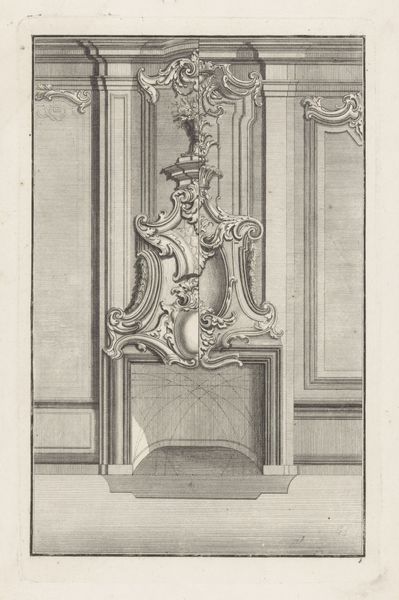
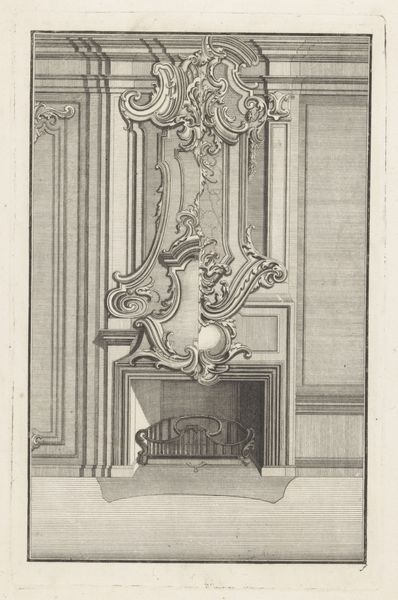
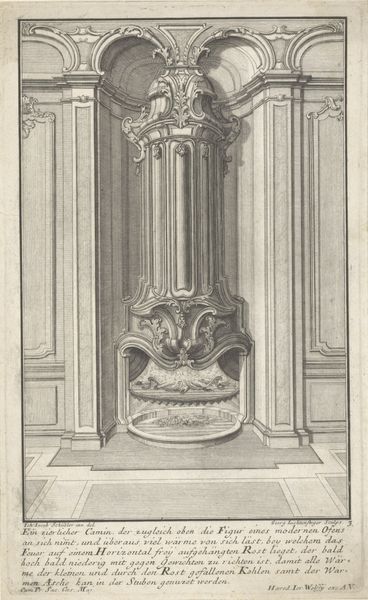
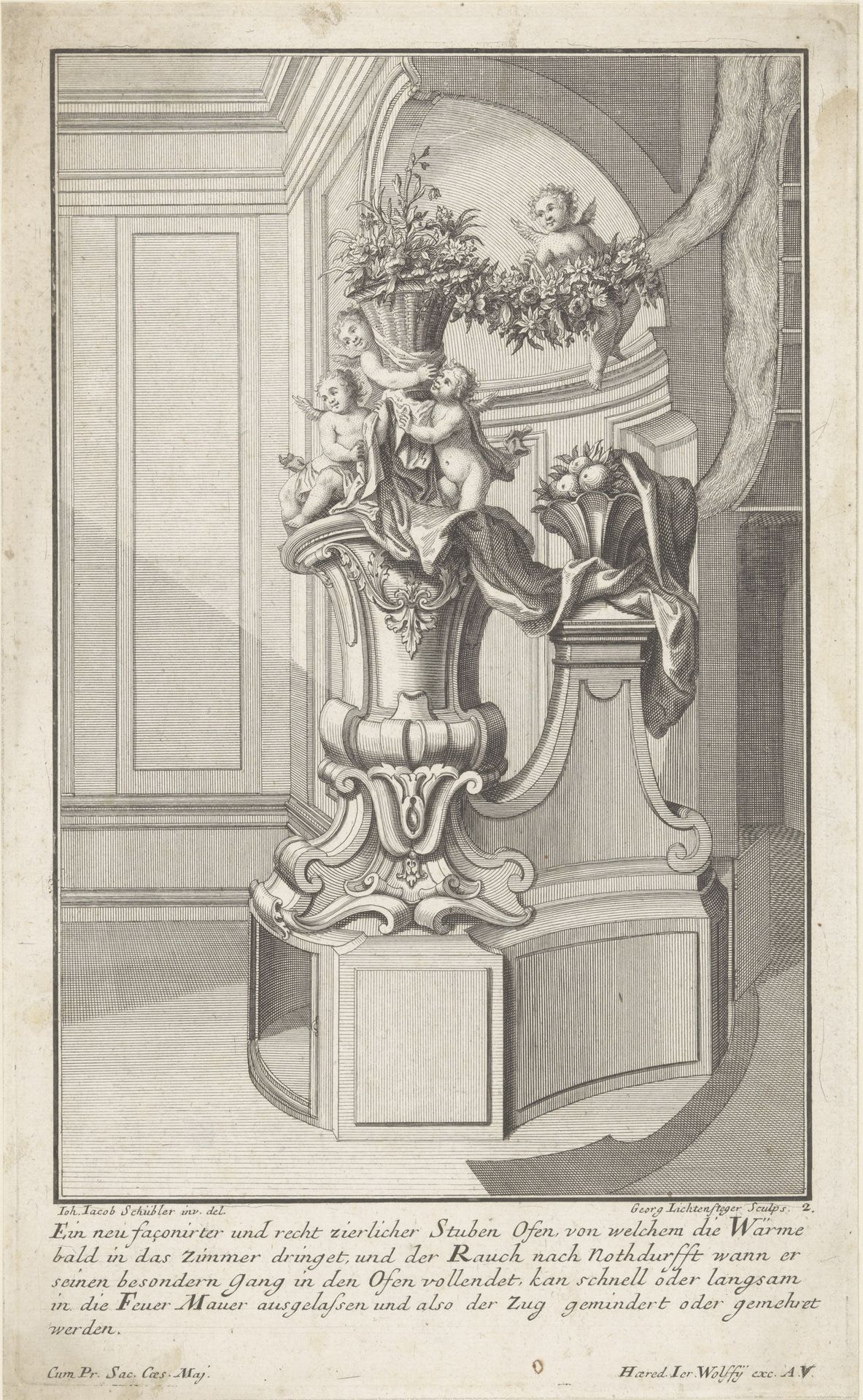
Schouw met putti

Georg Lichtensteger
1700 - 1781Location
RijksmuseumListen to curator's interpretation
Curatorial notes
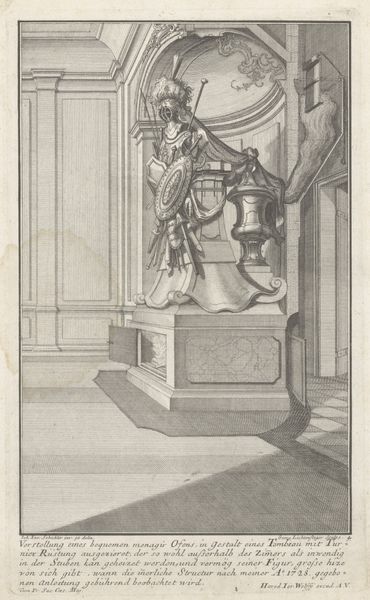
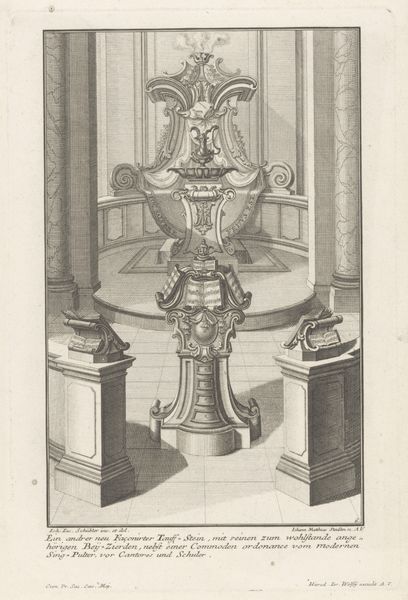
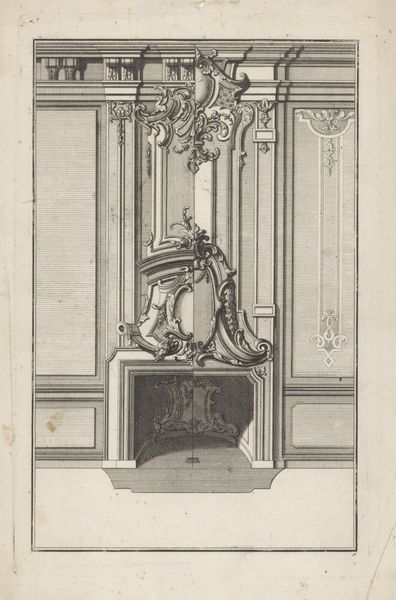
This print by Georg Lichtensteger presents a design for a stove with putti. Although undated, it reflects the 18th-century aesthetic interests in interior design and the incorporation of mythological figures into everyday objects. During this period, the decorative arts served as a key marker of social status. Aristocrats and wealthy merchants sought to display their refinement through carefully ornamented domestic spaces. This design embodies those aspirations, blending functionality with artistic embellishment. The putti, or cherubic figures, are associated with love, innocence, and divine presence, and would have suggested an atmosphere of cultivated taste and classical learning. Consider how Lichtensteger, as an artist, navigated the demands of his patrons while contributing to the visual culture of his time. His work provides us with insight into the complex negotiations between art, class, and the construction of identity.