About this artwork
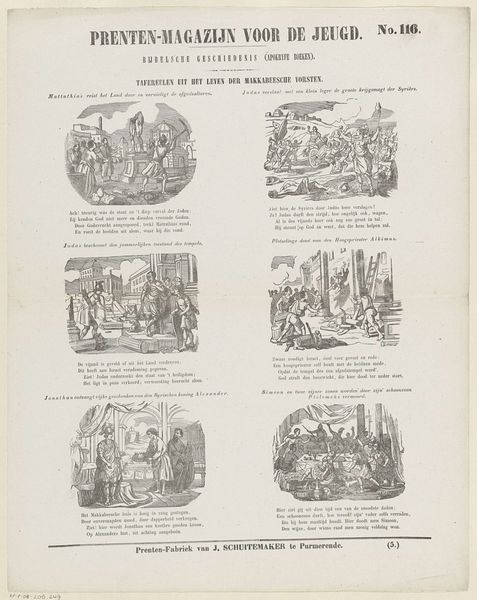
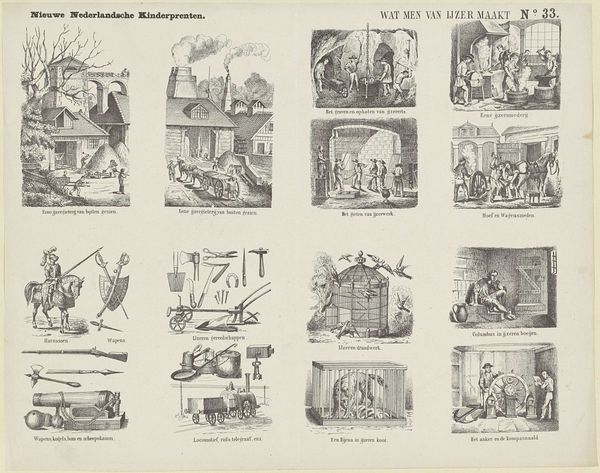
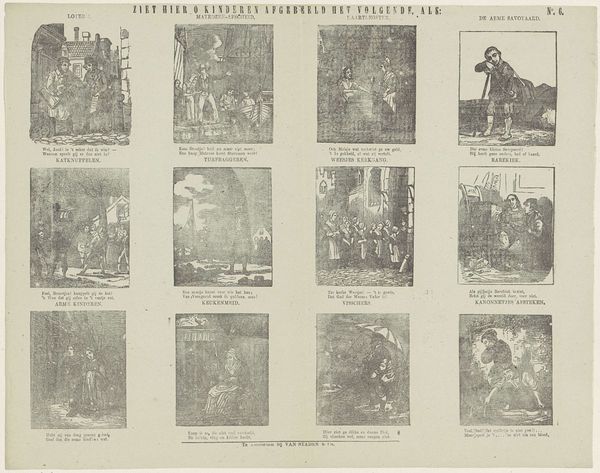
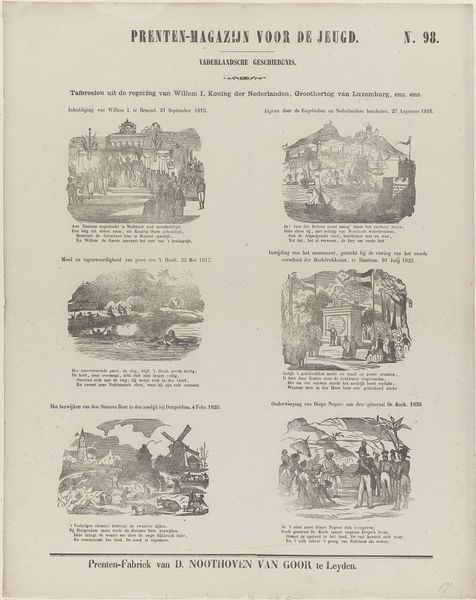
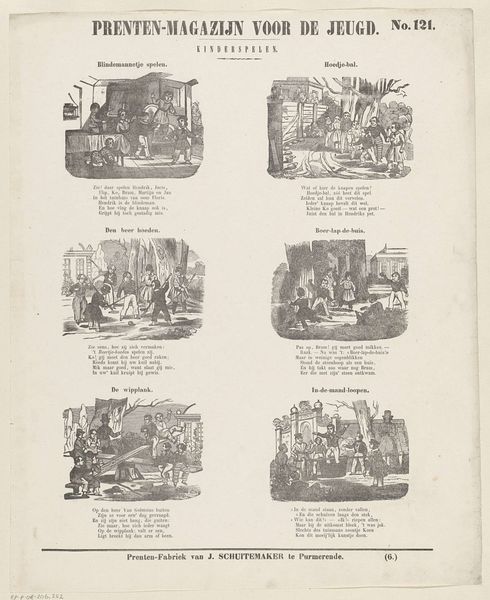
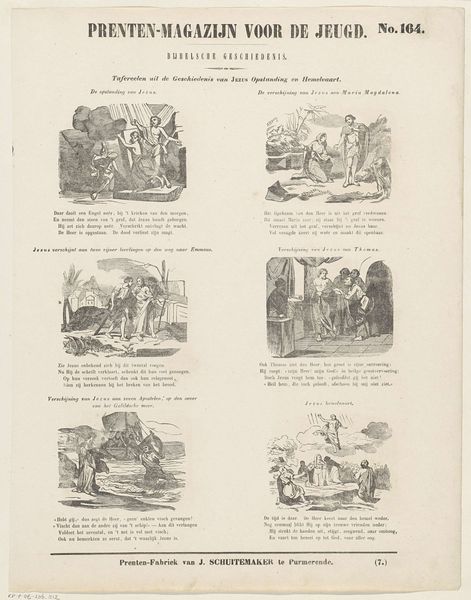
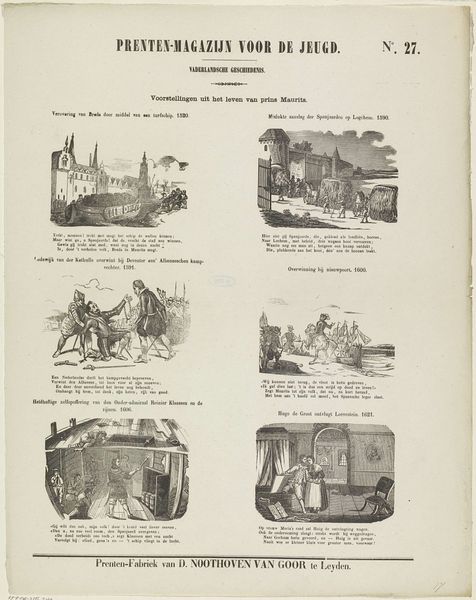
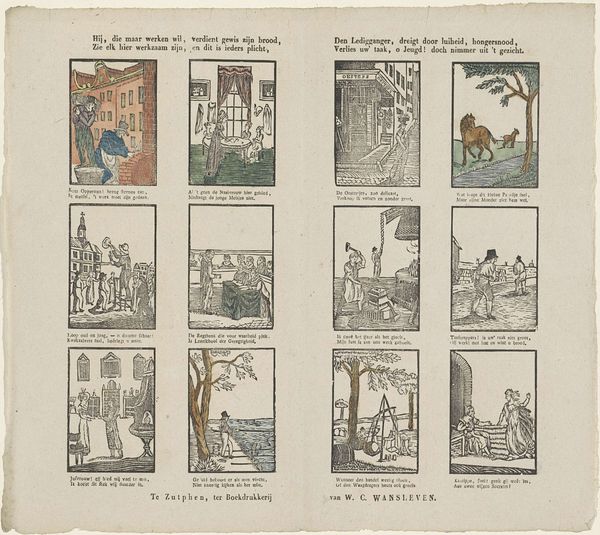
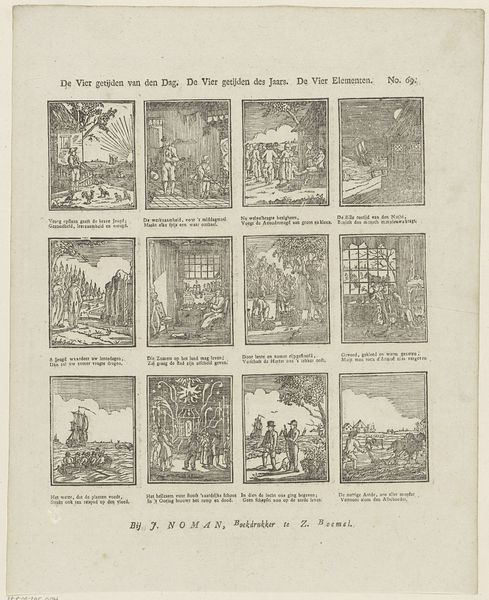
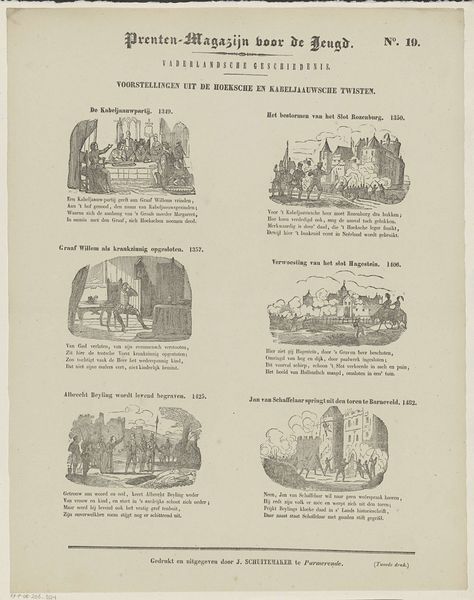
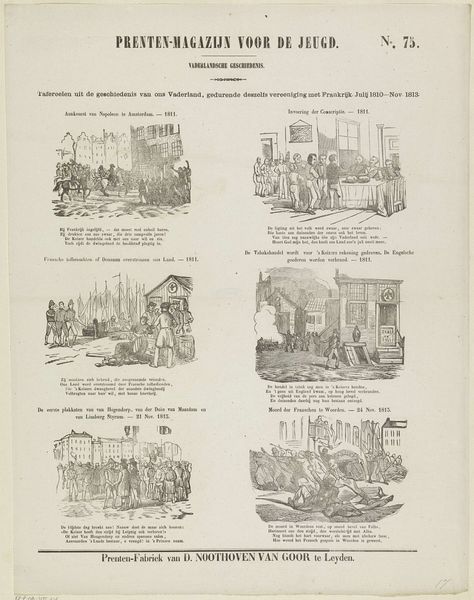
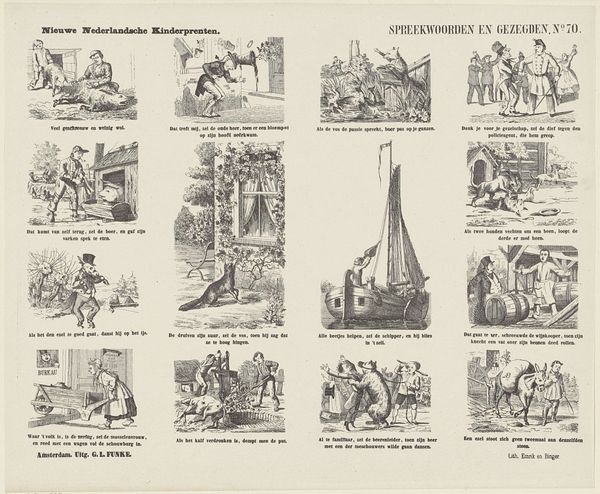
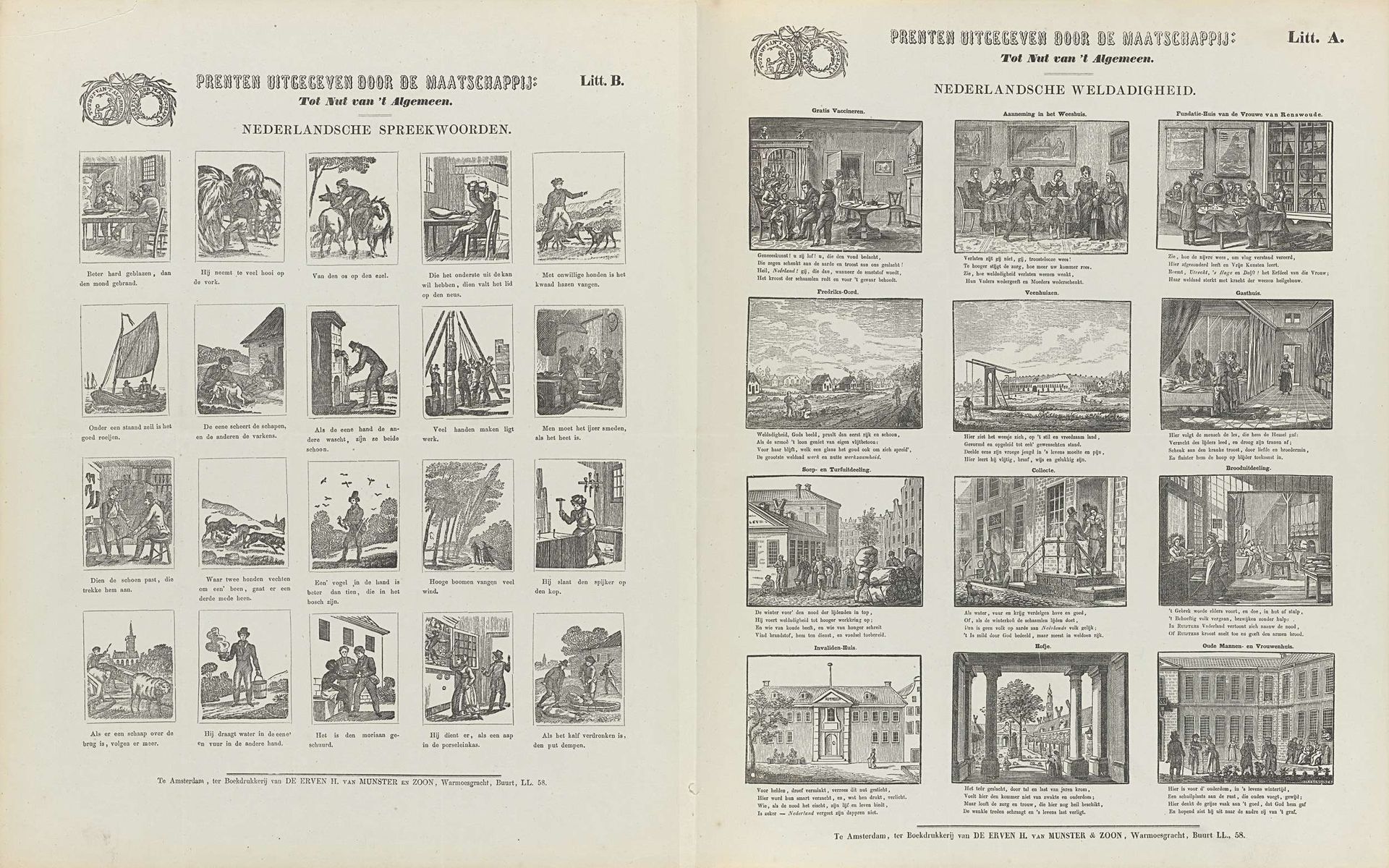
Alexander Cranendoncq created this print for the Society for Public Welfare sometime in the early to mid-19th century. The images on the left, ‘Dutch Proverbs,’ and on the right, ‘Dutch Charity,’ operate as visual codes for moral lessons, and reflect the values of the Dutch Enlightenment, where knowledge was power and progress was within reach. The Society for Public Welfare, founded in 1784, was part of a larger cultural phenomenon that embraced reason, science, and education as means to improve society. These prints would have served as educational materials for schools and homes, instilling values of hard work, honesty, and compassion. This artwork shows the era's faith in the power of institutions to shape individual character. It is a perfect example of how we can use art to understand social structures. By researching archives of the Society for Public Welfare, we can better understand the context in which this print was made and distributed, thus revealing the intersection of art, education, and social reform.
Prenten uitgegeven door de maatschappij: / Tot nut van 't algemeen after 1829

Alexander Cranendoncq
1799 - 1869Location
RijksmuseumArtwork details
- Medium
- graphic-art, print, engraving
- Dimensions
- height 430 mm, width 685 mm
- Location
- Rijksmuseum
- Copyright
- Rijks Museum: Open Domain
Tags
graphic-art
comic strip sketch
aged paper
narrative-art
dutch-golden-age
sketch book
personal sketchbook
idea generation sketch
sketchwork
journal
sketchbook drawing
genre-painting
storyboard and sketchbook work
sketchbook art
engraving
Comments
No comments
About this artwork
Alexander Cranendoncq created this print for the Society for Public Welfare sometime in the early to mid-19th century. The images on the left, ‘Dutch Proverbs,’ and on the right, ‘Dutch Charity,’ operate as visual codes for moral lessons, and reflect the values of the Dutch Enlightenment, where knowledge was power and progress was within reach. The Society for Public Welfare, founded in 1784, was part of a larger cultural phenomenon that embraced reason, science, and education as means to improve society. These prints would have served as educational materials for schools and homes, instilling values of hard work, honesty, and compassion. This artwork shows the era's faith in the power of institutions to shape individual character. It is a perfect example of how we can use art to understand social structures. By researching archives of the Society for Public Welfare, we can better understand the context in which this print was made and distributed, thus revealing the intersection of art, education, and social reform.
Comments
No comments