About this artwork
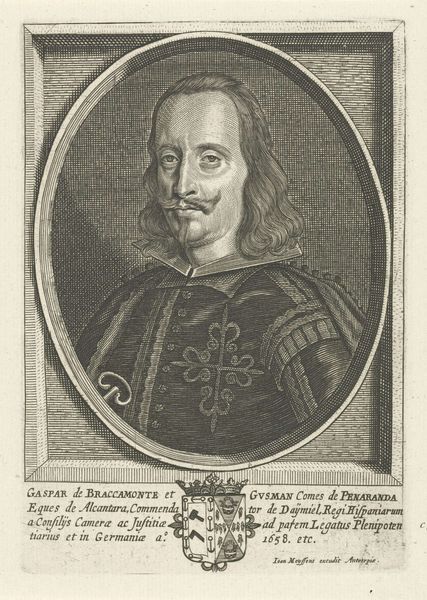
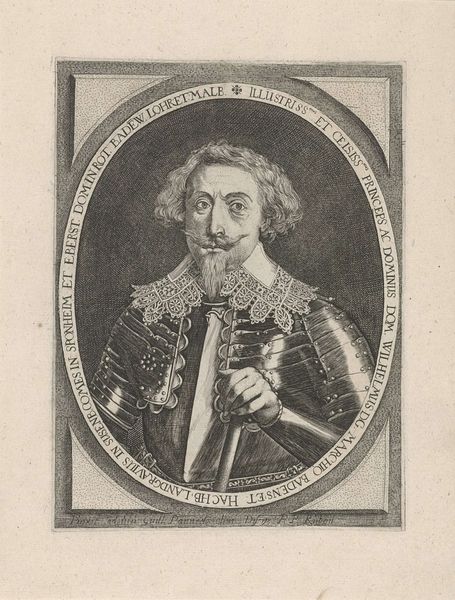
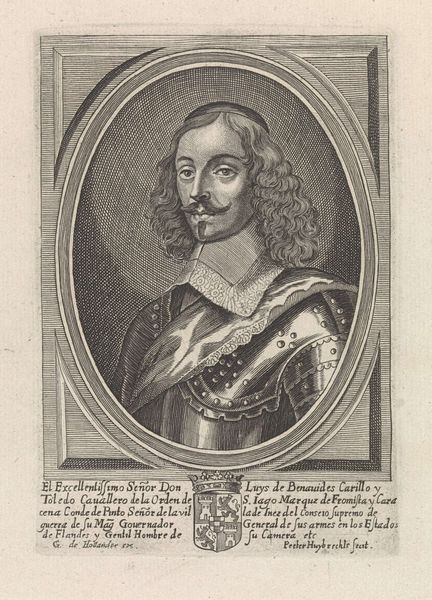
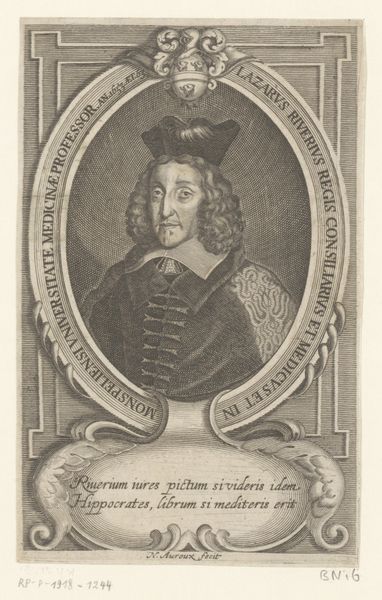
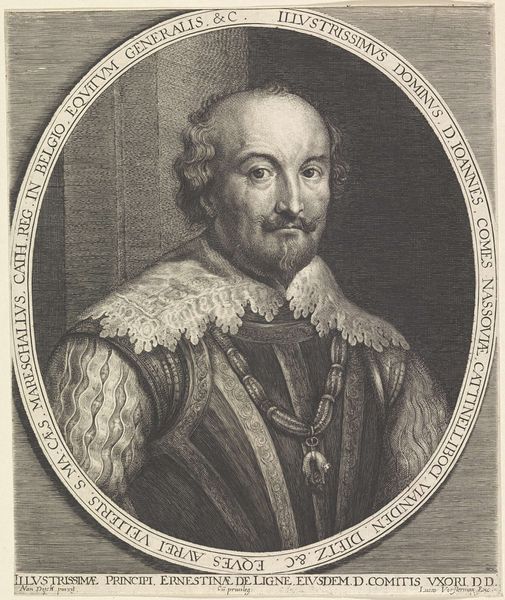
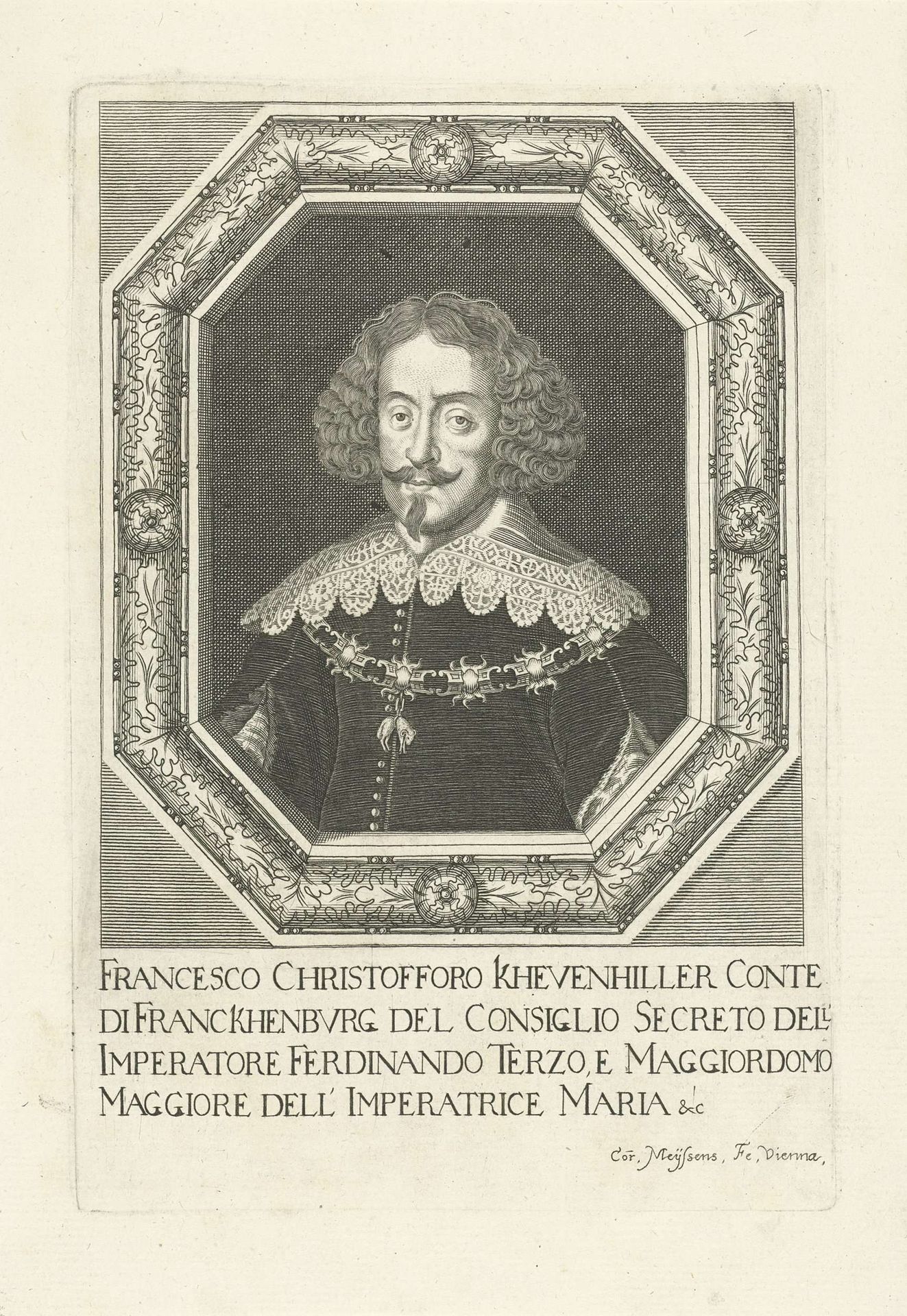
Cornelis Meyssens created this print of Franz Christoph von Khevenhüller. During the 17th century, portraiture served as a powerful tool for constructing and reinforcing social hierarchies. Looking at this image, consider how identity and status intertwine within the ruling classes of the time. The elaborate lace collar, the ornate frame, and the inscription detailing Khevenhüller's titles all contribute to a carefully constructed image of power and nobility. Such portraits were not merely representations but active participants in the theater of power. They were displayed to project an image of authority and legitimacy, reinforcing the subject's position within society. What does it mean to have your likeness circulated in this way? How might this image have shaped perceptions of Khevenhüller and his role in the Imperial court?
Portret van Franz Christoph von Khevenhüller
1660 - 1693

Cornelis Meyssens
1640Location
RijksmuseumArtwork details
- Medium
- engraving
- Dimensions
- height 242 mm, width 163 mm
- Location
- Rijksmuseum
- Copyright
- Rijks Museum: Open Domain
Tags
Comments
Share your thoughts
About this artwork
Cornelis Meyssens created this print of Franz Christoph von Khevenhüller. During the 17th century, portraiture served as a powerful tool for constructing and reinforcing social hierarchies. Looking at this image, consider how identity and status intertwine within the ruling classes of the time. The elaborate lace collar, the ornate frame, and the inscription detailing Khevenhüller's titles all contribute to a carefully constructed image of power and nobility. Such portraits were not merely representations but active participants in the theater of power. They were displayed to project an image of authority and legitimacy, reinforcing the subject's position within society. What does it mean to have your likeness circulated in this way? How might this image have shaped perceptions of Khevenhüller and his role in the Imperial court?
Comments
Share your thoughts