About this artwork
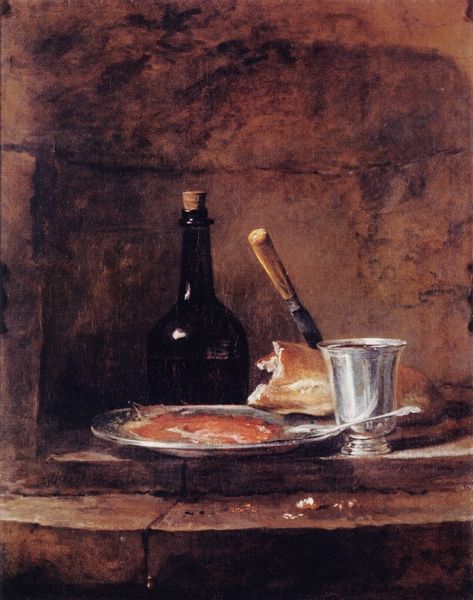
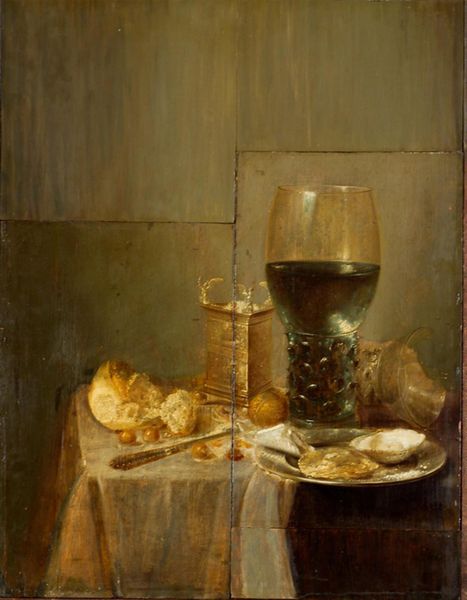
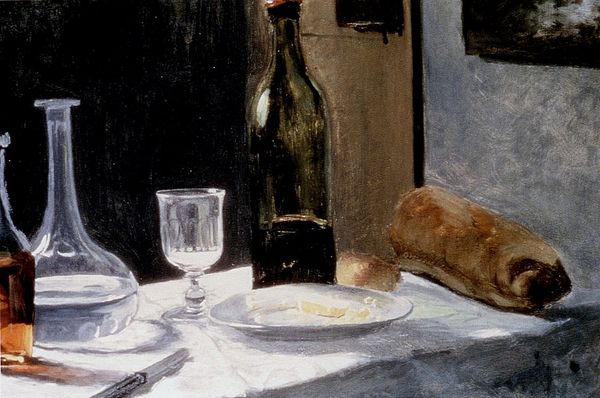
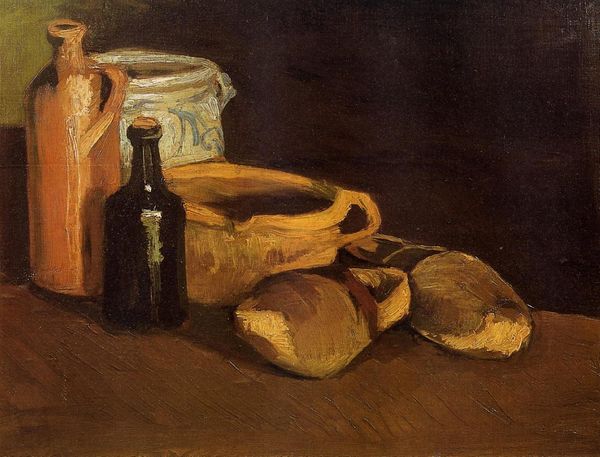
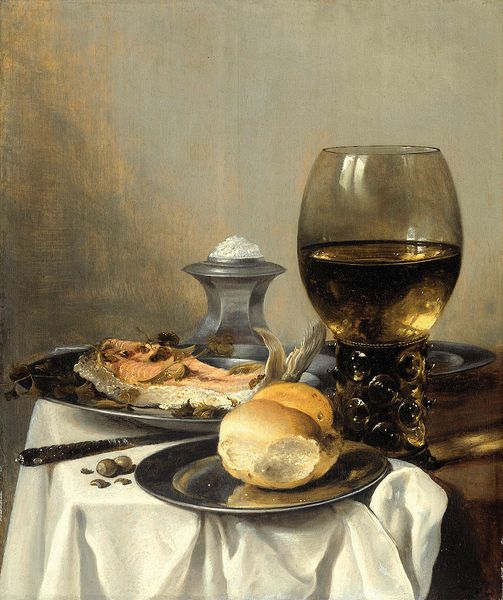
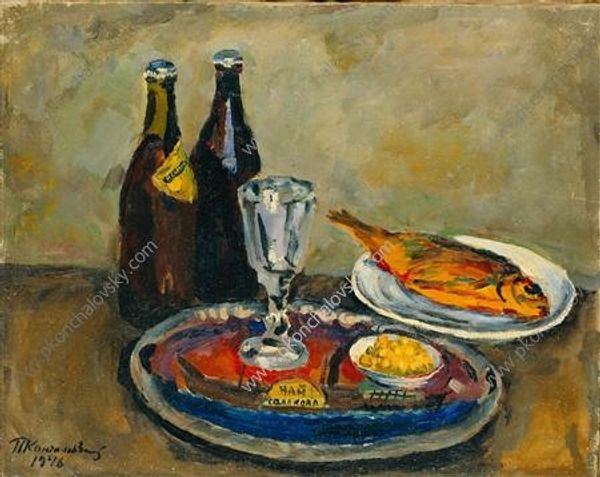
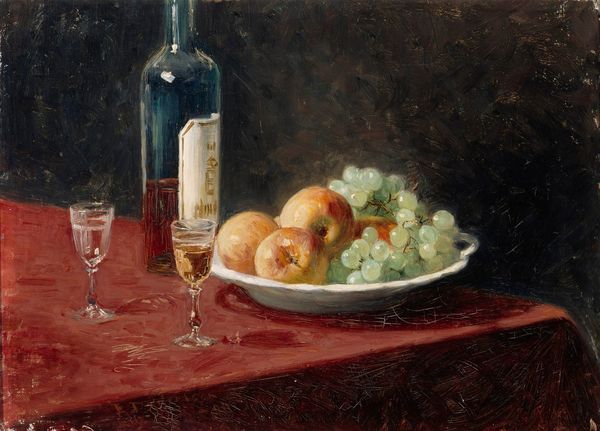
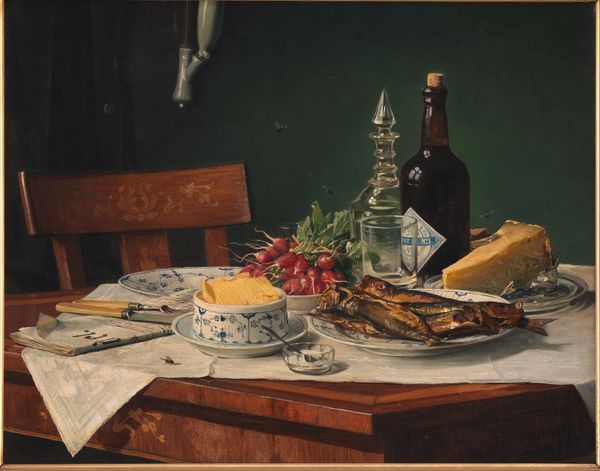
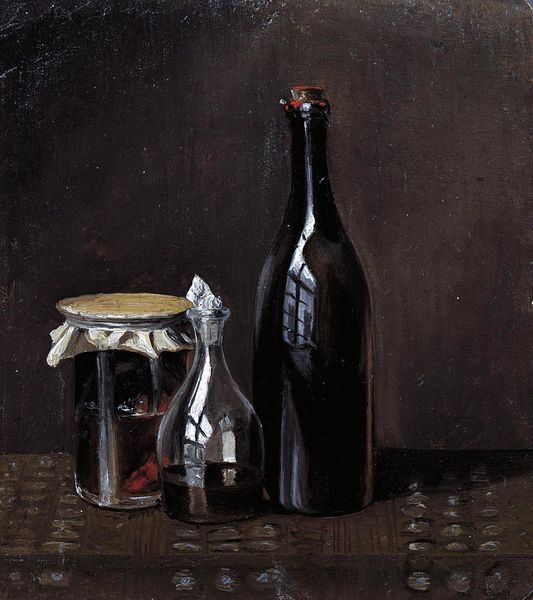
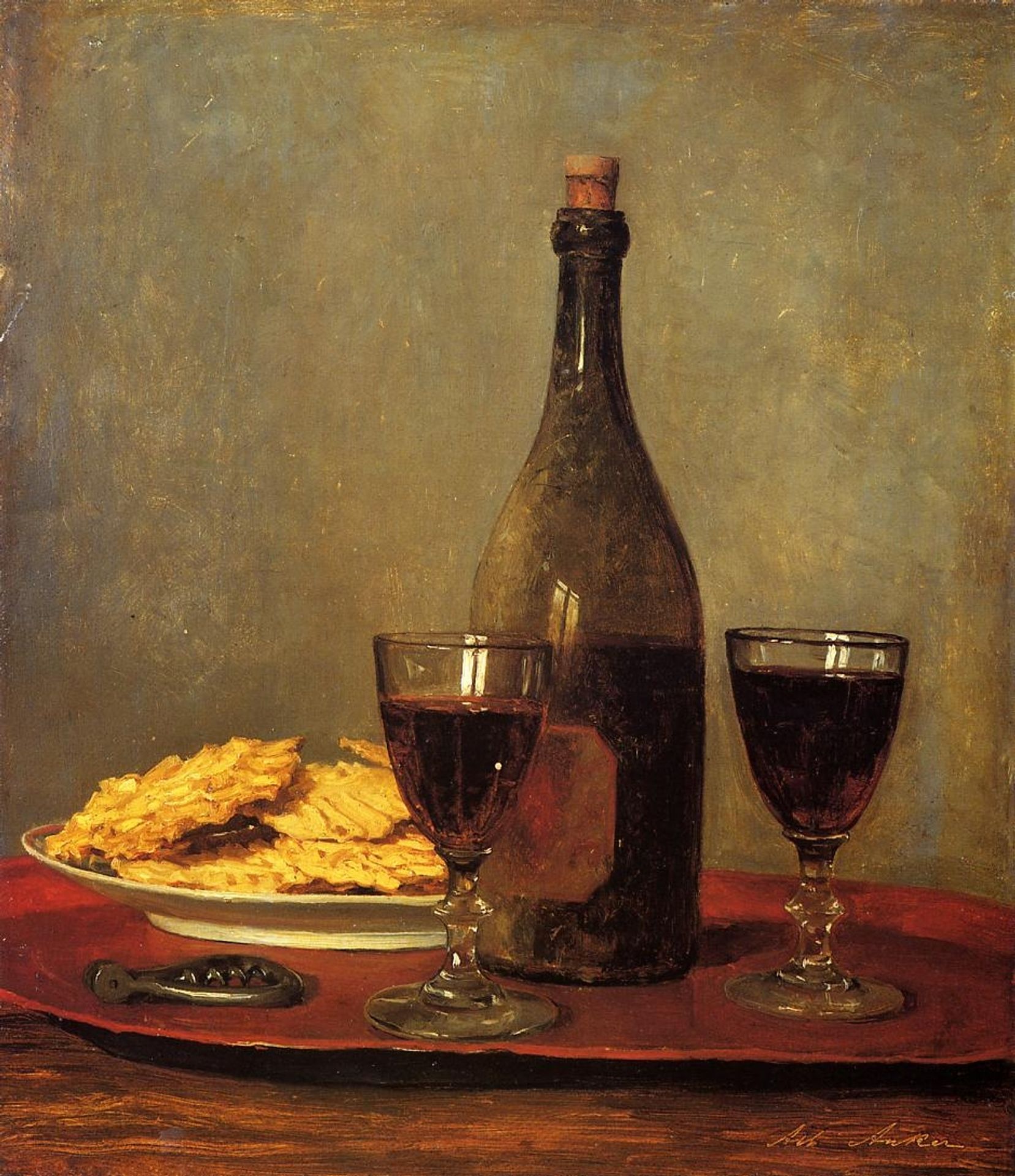
Albrecht Anker painted this still life with oil on canvas, though we don’t know exactly when. This Swiss artist, who lived from 1831 to 1910, was celebrated in his own time as a painter of everyday life, and in this image, we see how the rituals of bourgeois life became a subject for art. Switzerland in the 19th century was undergoing significant social and economic changes as it moved towards industrialization and a more integrated national identity. Anker's choice of domestic scenes and still life speaks to the values of stability and tradition in a rapidly changing world. Images like these reflected, and helped to constitute, an idea of Swiss identity rooted in the values of the home. To better understand Anker’s world, we can turn to the historical record: political documents, newspapers, and the writings of social commentators. Only then we can reveal the complex interplay between art, identity, and social change.
Still Life: Two Glasses of Red Wine, a Bottle of Wine, a Corkscrew and a Plate of Biscuits on a Tray

Albrecht Anker
1831 - 1910Location
Private CollectionArtwork details
- Medium
- photography, glass, ink
- Location
- Private Collection
- Copyright
- Public domain
Tags
still-life
egg art
war
possibly oil pastel
culinary art
photography
glass
oil painting
ink
stoneware
coffee painting
black tea painting
food art
food photography
watercolor
Comments
Be the first to share your thoughts about this work.
About this artwork
Albrecht Anker painted this still life with oil on canvas, though we don’t know exactly when. This Swiss artist, who lived from 1831 to 1910, was celebrated in his own time as a painter of everyday life, and in this image, we see how the rituals of bourgeois life became a subject for art. Switzerland in the 19th century was undergoing significant social and economic changes as it moved towards industrialization and a more integrated national identity. Anker's choice of domestic scenes and still life speaks to the values of stability and tradition in a rapidly changing world. Images like these reflected, and helped to constitute, an idea of Swiss identity rooted in the values of the home. To better understand Anker’s world, we can turn to the historical record: political documents, newspapers, and the writings of social commentators. Only then we can reveal the complex interplay between art, identity, and social change.
Comments
Be the first to share your thoughts about this work.