About this artwork
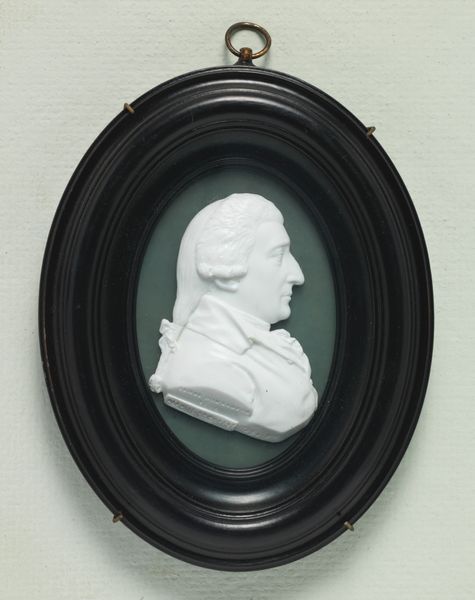
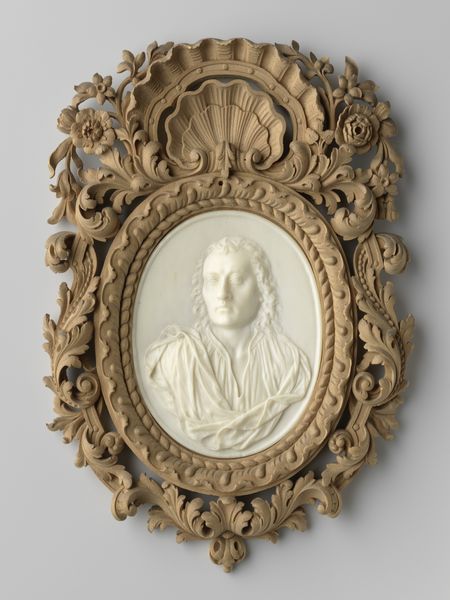
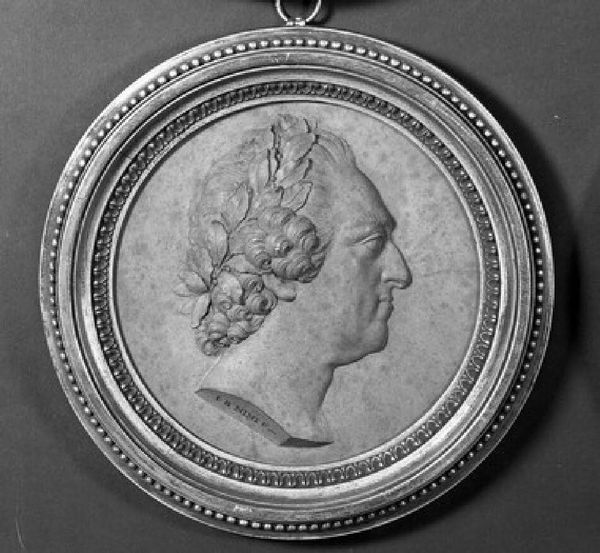
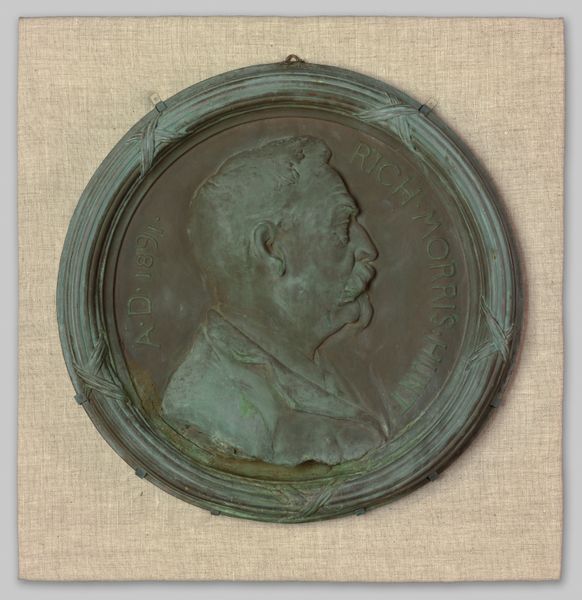
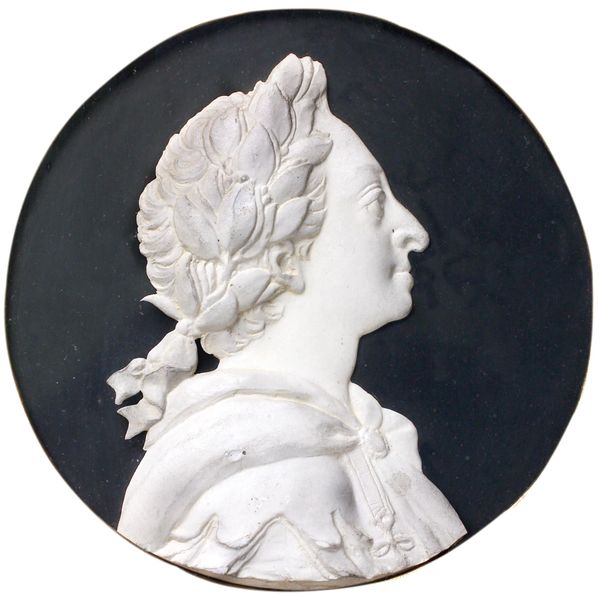
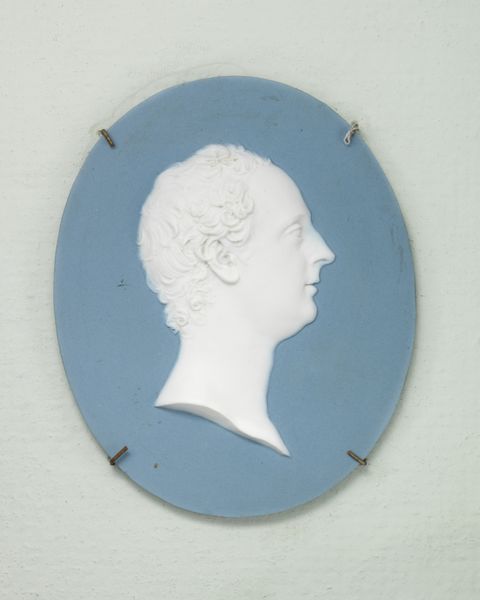
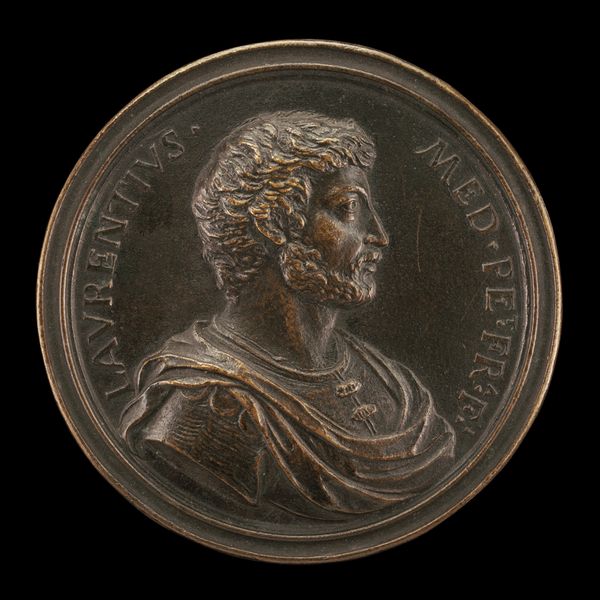
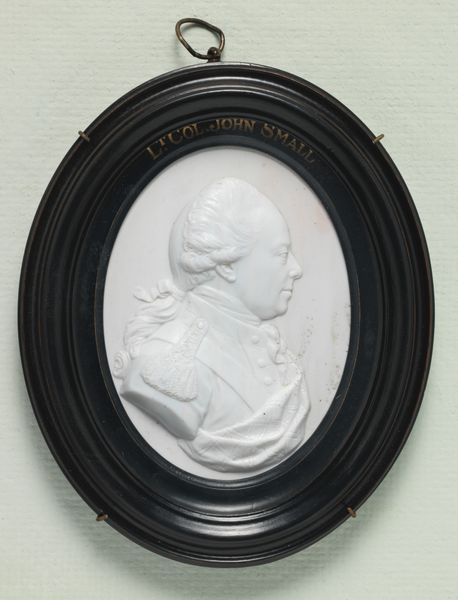
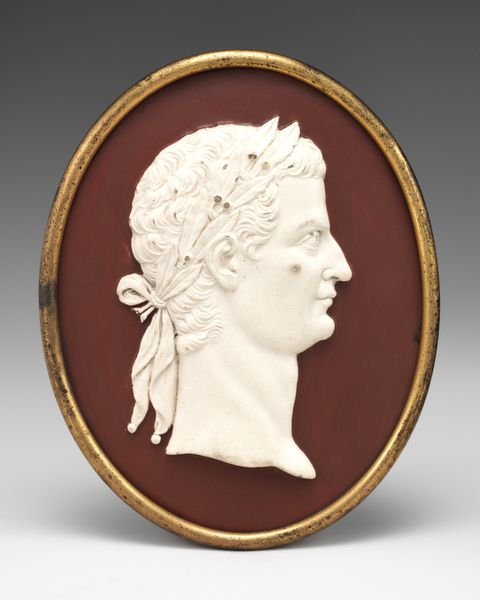
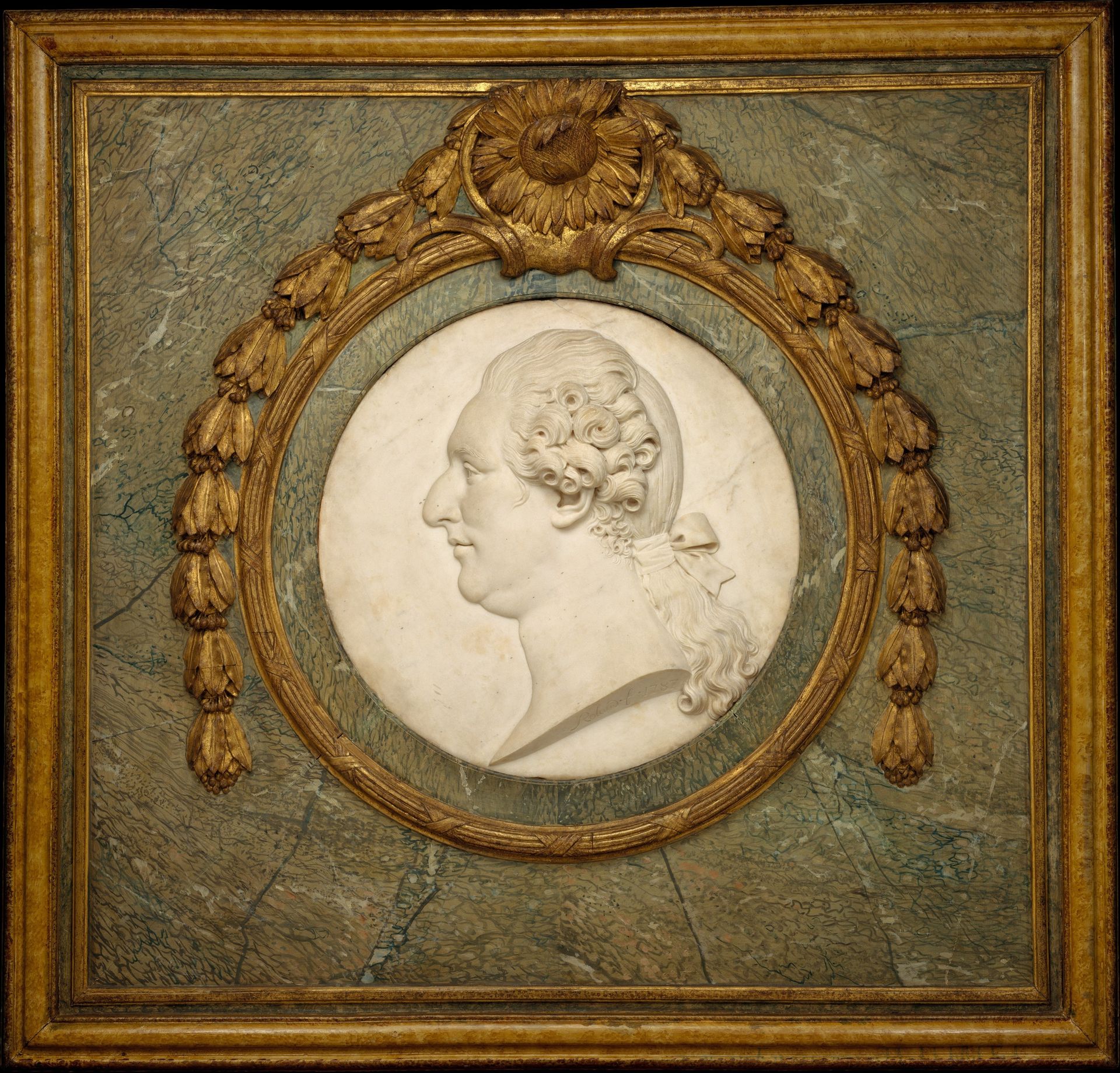
Philippe Laurent Roland sculpted this marble portrait of Louis XVI, but the date is unknown. At a time of growing unrest and revolution, Roland's bust immortalizes the King in the Neoclassical style, connecting him to the virtues and authority of ancient rulers. Yet, this very form also embodies the social tensions of the time, contrasting the opulence of the monarchy with the burgeoning calls for equality. Consider the weight of representation in this piece. It serves as both a symbol of power and a vulnerable depiction of a man soon to face a dire fate. Roland, as the artist, navigates the complex role of memorializing a figure whose reign was marked by excess and detachment from the populace. The marble, so smooth and cold, evokes a sense of detachment, mirroring the King’s perceived indifference to the struggles of his people. The carefully styled hair and dignified profile speak to a desire to maintain an image of control and authority. The bust now stands as a poignant reminder of the fragile nature of power and the profound impact of revolution on personal and collective identity.
Louis XVI
1787

Philippe Laurent Roland
1746 - 1816
The Metropolitan Museum of Art
Metropolitan Museum of Art, New York, NYArtwork details
- Medium
- relief, sculpture, marble
- Dimensions
- Roundel: Diam. 27-5/8 in. (70 cm); Frame: H. 59-1/2 x W. 62-1/4 in. (151 x 158 cm)
- Location
- Metropolitan Museum of Art, New York, NY
- Copyright
- Public Domain
Tags
Comments
Share your thoughts
About this artwork
Philippe Laurent Roland sculpted this marble portrait of Louis XVI, but the date is unknown. At a time of growing unrest and revolution, Roland's bust immortalizes the King in the Neoclassical style, connecting him to the virtues and authority of ancient rulers. Yet, this very form also embodies the social tensions of the time, contrasting the opulence of the monarchy with the burgeoning calls for equality. Consider the weight of representation in this piece. It serves as both a symbol of power and a vulnerable depiction of a man soon to face a dire fate. Roland, as the artist, navigates the complex role of memorializing a figure whose reign was marked by excess and detachment from the populace. The marble, so smooth and cold, evokes a sense of detachment, mirroring the King’s perceived indifference to the struggles of his people. The carefully styled hair and dignified profile speak to a desire to maintain an image of control and authority. The bust now stands as a poignant reminder of the fragile nature of power and the profound impact of revolution on personal and collective identity.
Comments
Share your thoughts