About this artwork
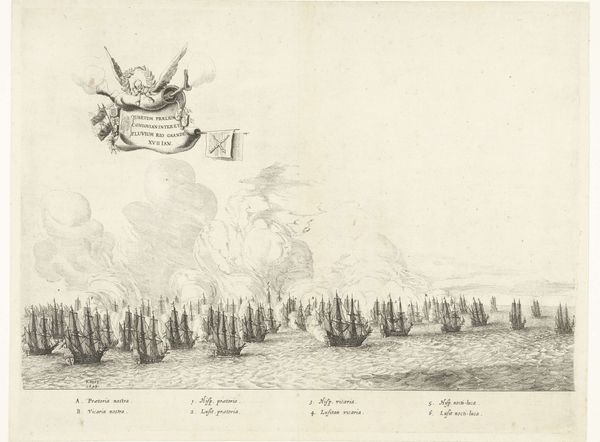
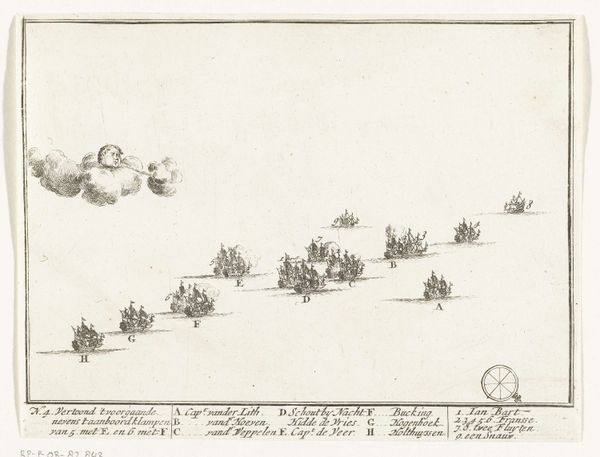
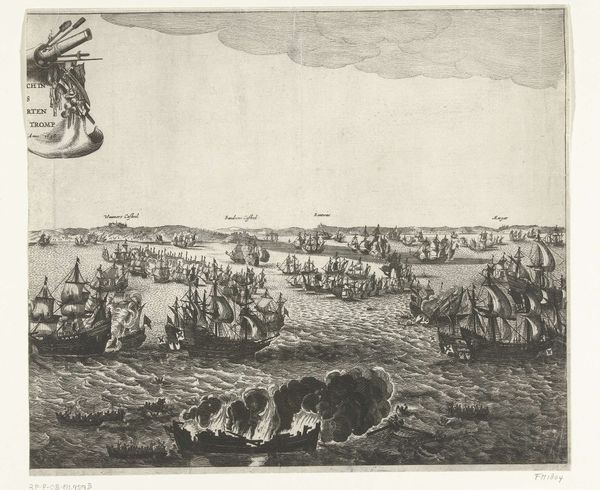
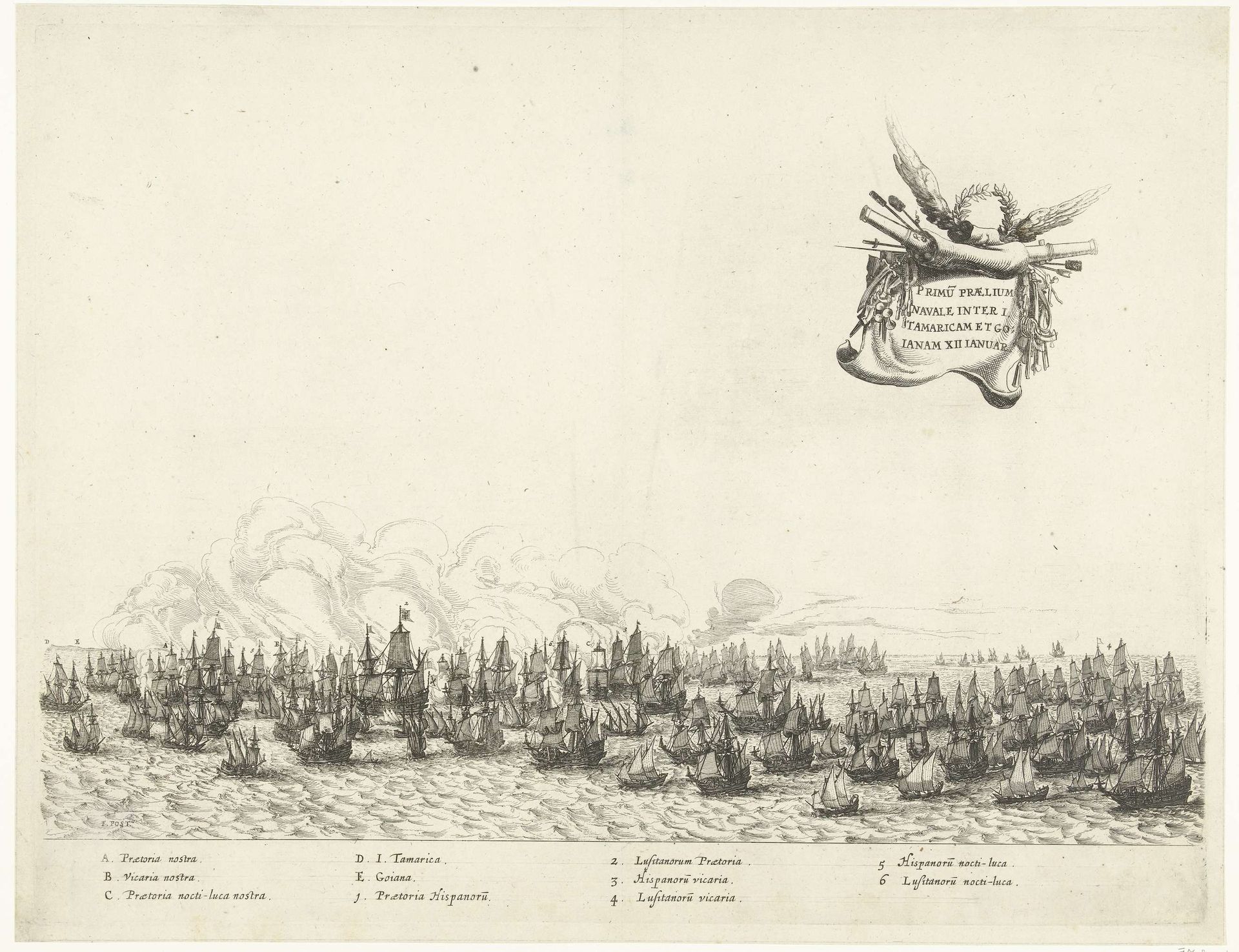
This etching by Salomon Savery, created around 1640, depicts the naval battle off Itamaracá. At first glance, the density of detail is striking, with a multitude of ships rendered in meticulous lines that fill the sea. Smoke billows in the background, adding a layer of atmospheric depth to the scene. Savery's composition employs a stark contrast between the intricate portrayal of the battle and the emptiness of the sky above. The multitude of ships are systematically organised across the picture plane to create a powerful sense of order and control. In terms of semiotics, it is possible to interpret this organisation as an expression of power, emphasizing the strategic and disciplined nature of naval warfare. The ships and their formation can be seen as signs of military might, which create a cultural code that celebrates dominance and victory. Notice how Savery uses the visual elements to construct a narrative, inviting us to consider the broader implications of conflict and control in the 17th century. Ultimately, the artwork invites ongoing discussion and multiple viewpoints on the narratives it presents.
Eerste gevecht met de Portugese vloot bij Itamaracá, 1640
1645 - 1647

Salomon Savery
1594 - 1678Location
RijksmuseumArtwork details
- Medium
- print, engraving
- Dimensions
- height 395 mm, width 514 mm
- Location
- Rijksmuseum
- Copyright
- Rijks Museum: Open Domain
Tags
Comments
Share your thoughts
About this artwork
This etching by Salomon Savery, created around 1640, depicts the naval battle off Itamaracá. At first glance, the density of detail is striking, with a multitude of ships rendered in meticulous lines that fill the sea. Smoke billows in the background, adding a layer of atmospheric depth to the scene. Savery's composition employs a stark contrast between the intricate portrayal of the battle and the emptiness of the sky above. The multitude of ships are systematically organised across the picture plane to create a powerful sense of order and control. In terms of semiotics, it is possible to interpret this organisation as an expression of power, emphasizing the strategic and disciplined nature of naval warfare. The ships and their formation can be seen as signs of military might, which create a cultural code that celebrates dominance and victory. Notice how Savery uses the visual elements to construct a narrative, inviting us to consider the broader implications of conflict and control in the 17th century. Ultimately, the artwork invites ongoing discussion and multiple viewpoints on the narratives it presents.
Comments
Share your thoughts