About this artwork
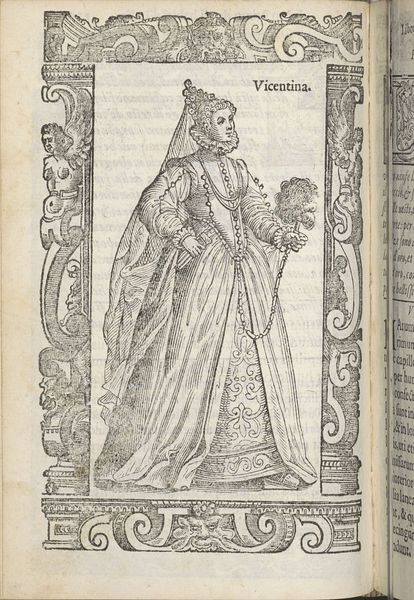
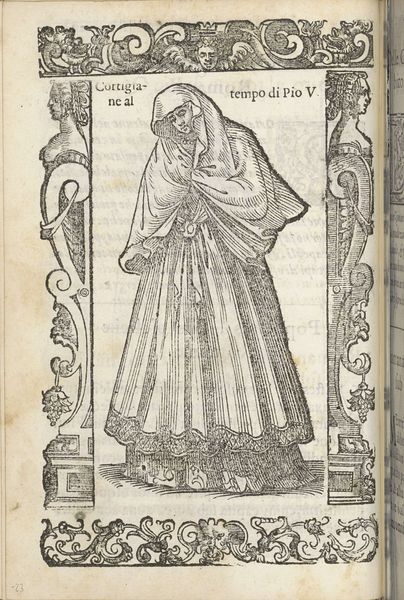
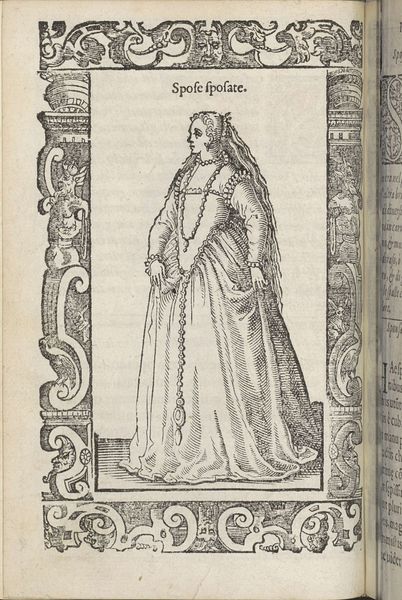
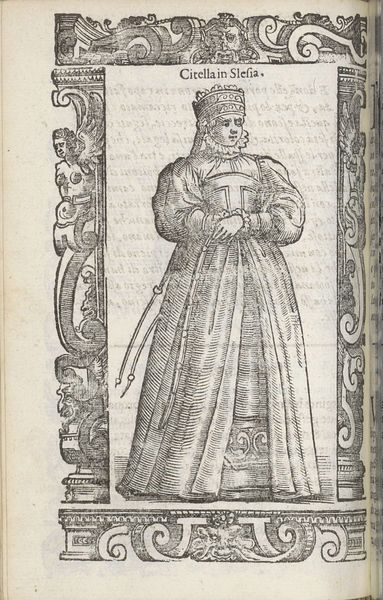
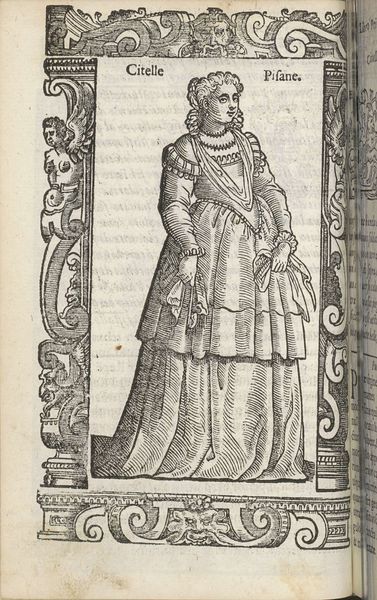
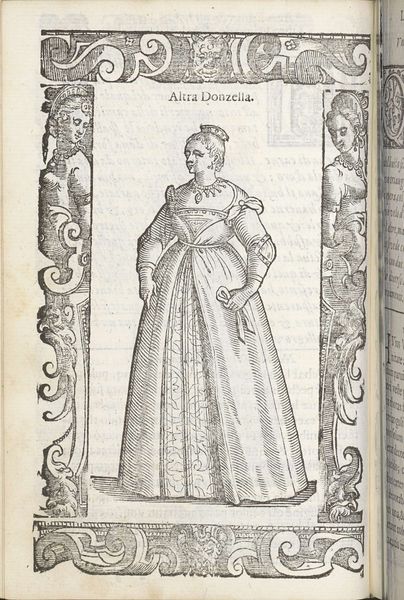
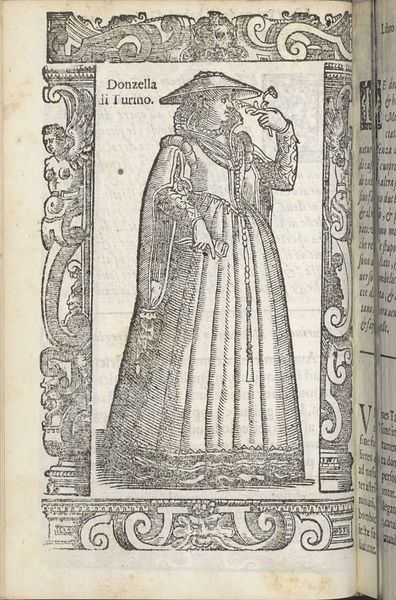
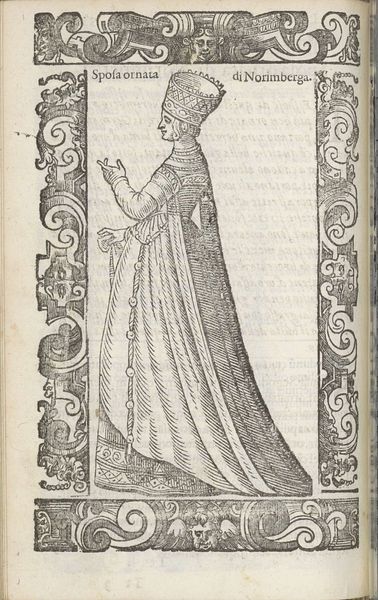
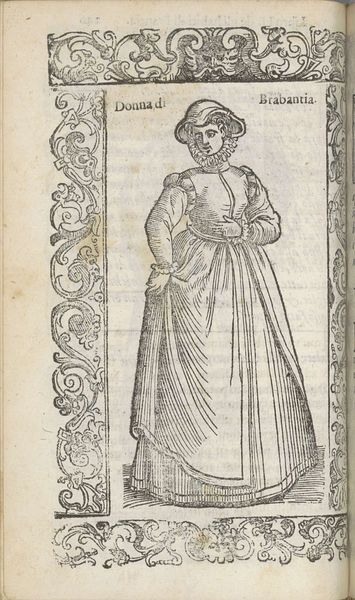
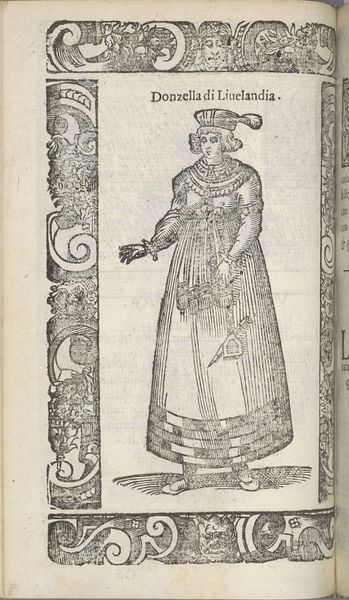
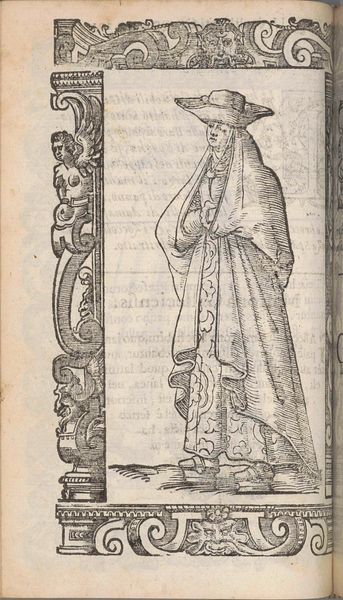
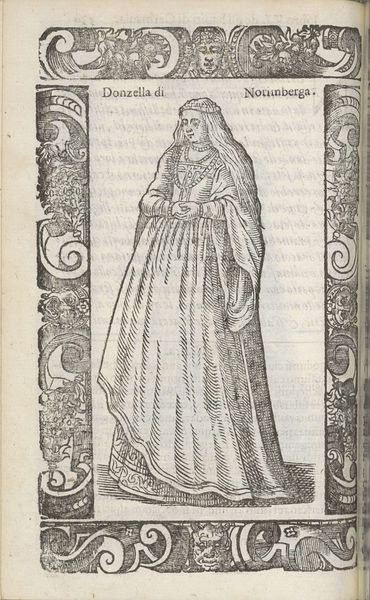
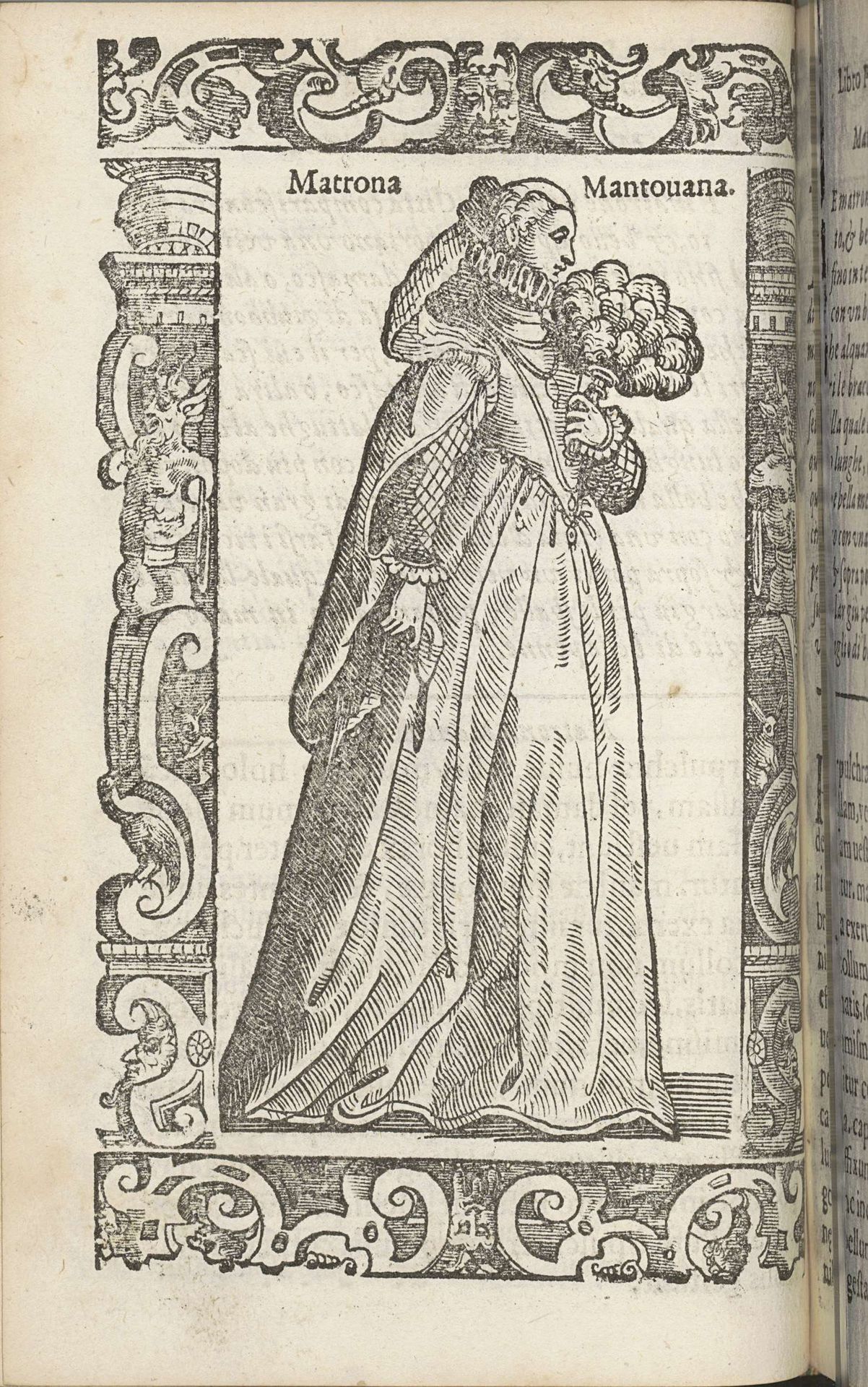
Christoph Krieger made this engraving, called “Matrona mantovana”. The image offers us a window into the performance of status and identity of women during the Renaissance. Here, the artist attempts to capture the essence of the Mantuan noblewoman through her dress and bearing. During this period, clothing was not merely functional but a clear indicator of social rank and regional identity. The woman's elaborate gown and headdress speak volumes about the material culture of the time, where sumptuary laws often dictated who could wear what, reinforcing social hierarchies. This image participates in a visual dialogue about gender and power, presenting the Mantuan woman as both an object of admiration and a symbol of her family's status. Consider how such images might have influenced or challenged perceptions of women's roles and identities during the Renaissance. How do these historical depictions resonate with contemporary discussions about identity and representation?

Artwork details
- Medium
- drawing, print, ink, engraving
- Dimensions
- height 167 mm, width 125 mm
- Copyright
- Rijks Museum: Open Domain
Tags
Comments
Share your thoughts
About this artwork
Christoph Krieger made this engraving, called “Matrona mantovana”. The image offers us a window into the performance of status and identity of women during the Renaissance. Here, the artist attempts to capture the essence of the Mantuan noblewoman through her dress and bearing. During this period, clothing was not merely functional but a clear indicator of social rank and regional identity. The woman's elaborate gown and headdress speak volumes about the material culture of the time, where sumptuary laws often dictated who could wear what, reinforcing social hierarchies. This image participates in a visual dialogue about gender and power, presenting the Mantuan woman as both an object of admiration and a symbol of her family's status. Consider how such images might have influenced or challenged perceptions of women's roles and identities during the Renaissance. How do these historical depictions resonate with contemporary discussions about identity and representation?
Comments
Share your thoughts