
Curatorial notes
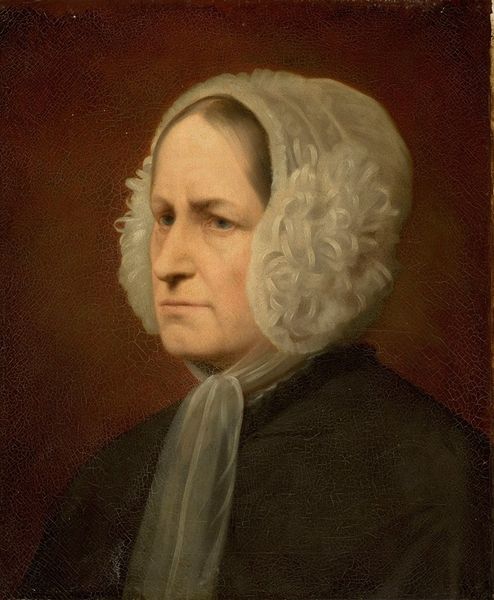
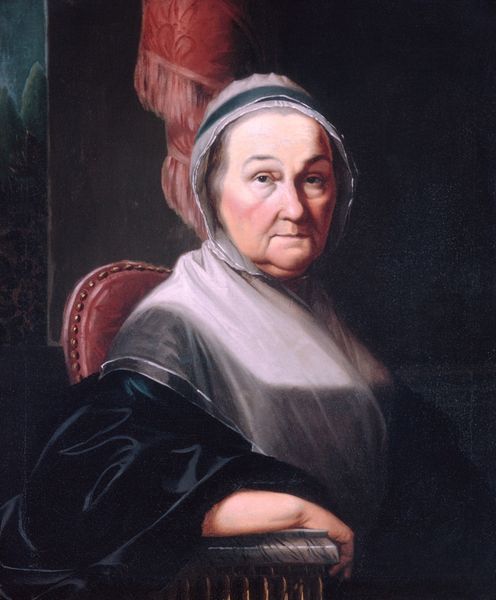
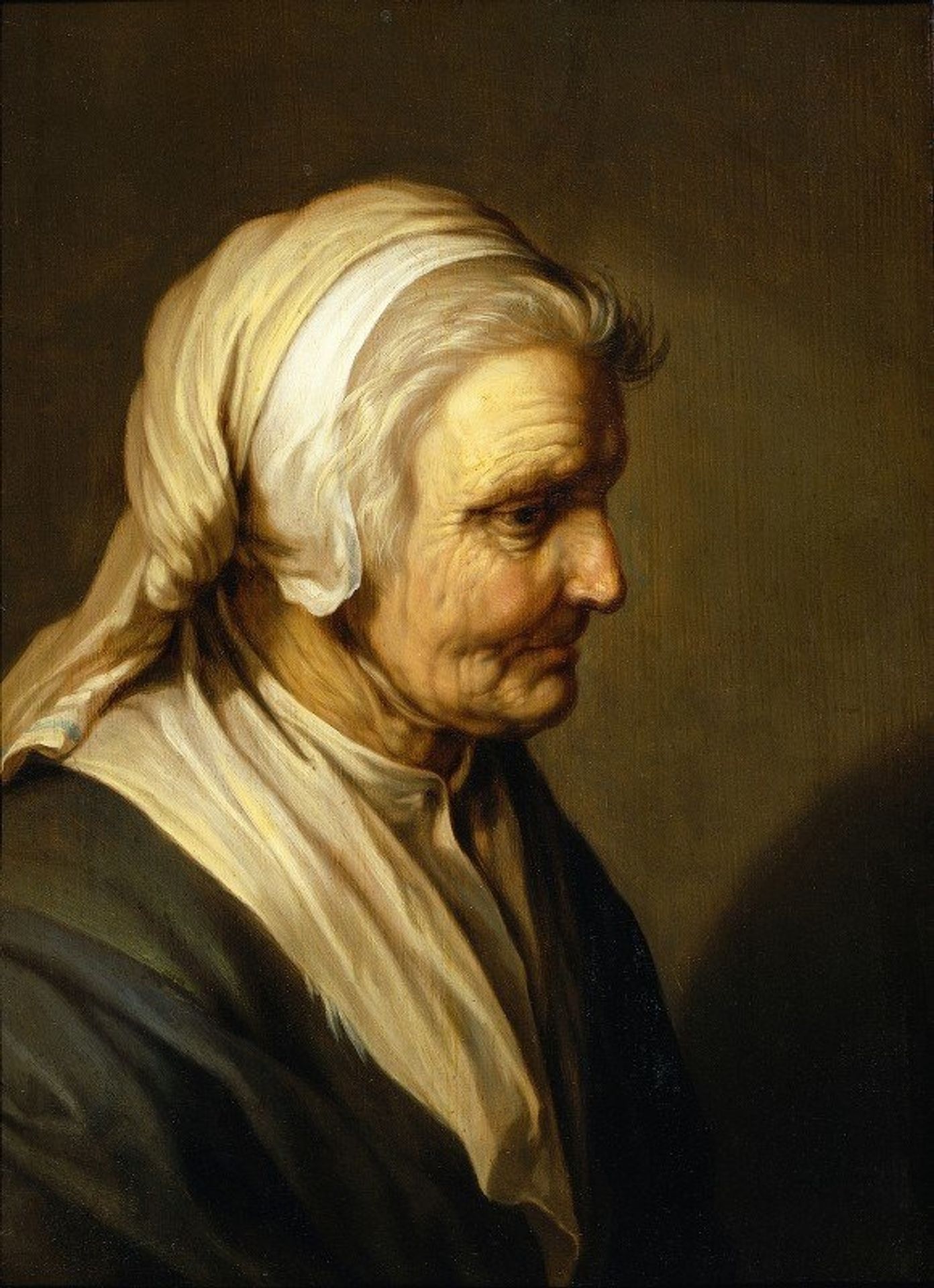
Curator: Standing before us is "Old Woman," a 1635 oil painting by Abraham Bloemaert. Editor: She seems… lost in thought, maybe resigned? The subdued palette certainly contributes to that somber feel. What strikes me, though, is the texture Bloemaert coaxes from the paint; the wrinkles seem etched into her skin like grooves in wood. Curator: Precisely! Bloemaert’s portraits often offer insights into the social structures of his time. This isn’t a grand figure of nobility, but a glimpse into the lives of ordinary people during the Dutch Golden Age. Notice the delicate balance between realism and the subtle idealization common in portraiture. Editor: You mention "ordinary," but I wonder about the material circumstances depicted. Is the fabric of her headscarf humble linen, or something a bit finer? Knowing that would shift my perception of her social standing. Look at the layers in that scarf and shawl--it really points to Bloemaert’s skill in handling the oil paint. It shows his awareness of how simple, daily textiles formed a massive sector of their economy. Curator: That's an interesting point. These portraits played a key role in shaping Dutch national identity, portraying valued members of society with a sense of dignity and worth, regardless of their status. It promoted social cohesion at a time of huge political and social change in the newly formed republic. Editor: So, how might Bloemaert's workshop have impacted the speed or quality of these portraits? There must have been an efficient labor structure in order to create so many works. I think there are some deeper discussions here around Bloemaert as a name brand rather than a lone artisan. Curator: Certainly. These works also reinforced existing hierarchies while subtly pushing for recognition of a broader segment of society within that framework. They were deeply connected with patronage, social mobility and moral representation. Editor: Ultimately, it is that incredible surface that captivates me; it feels so tangible, so much about the application of pigment to cloth support and about the textures within our grasp. Curator: Indeed, Bloemaert's talent elevates a seemingly simple subject into a compelling document of its era, provoking so many reflections and queries that help understand the intricacies of art history.