About this artwork
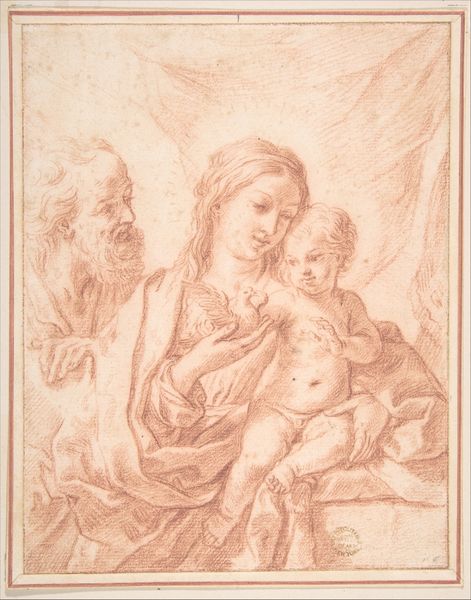
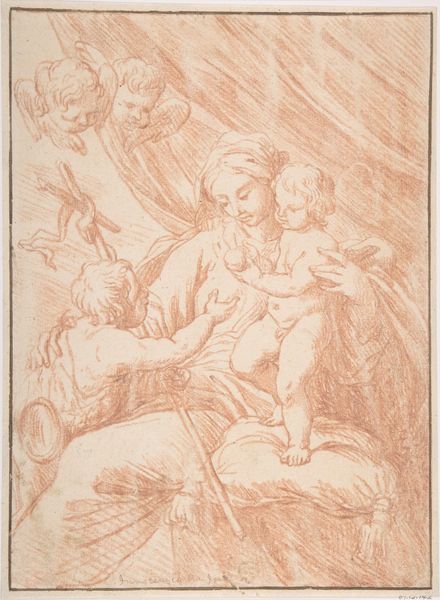
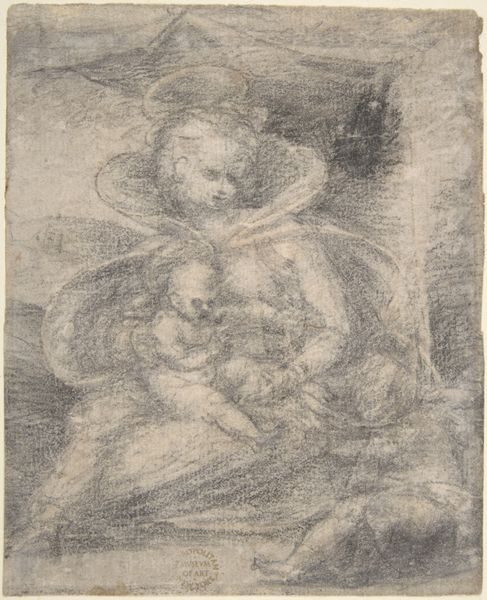
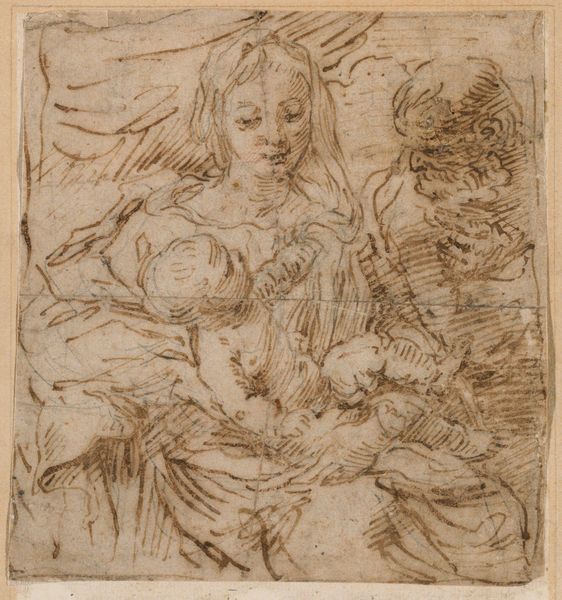
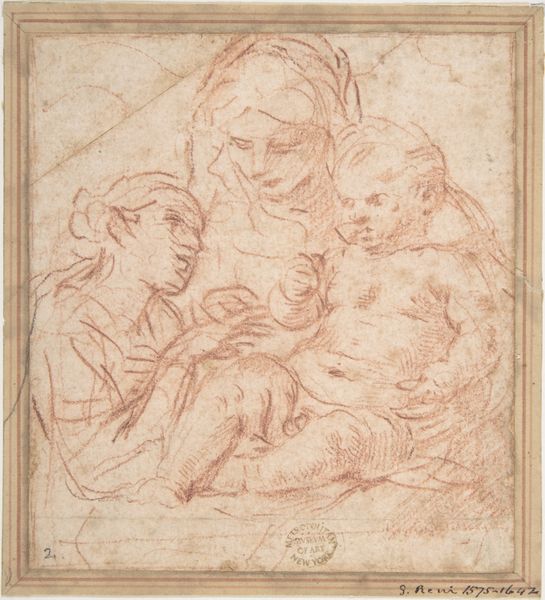
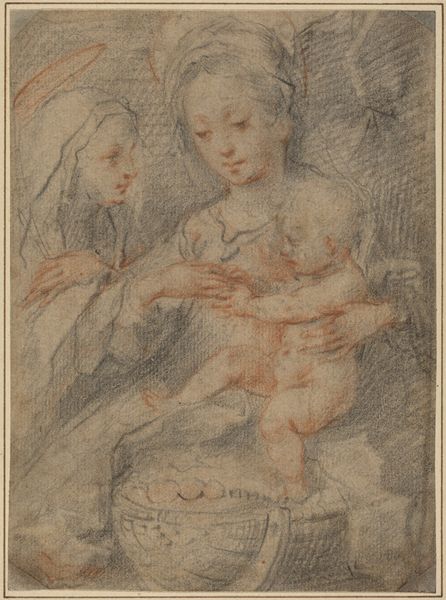
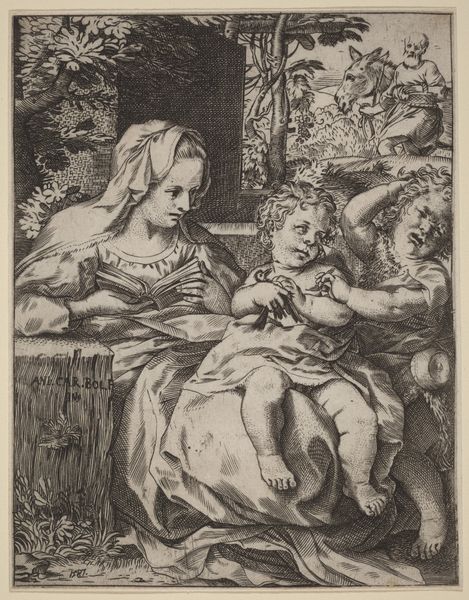
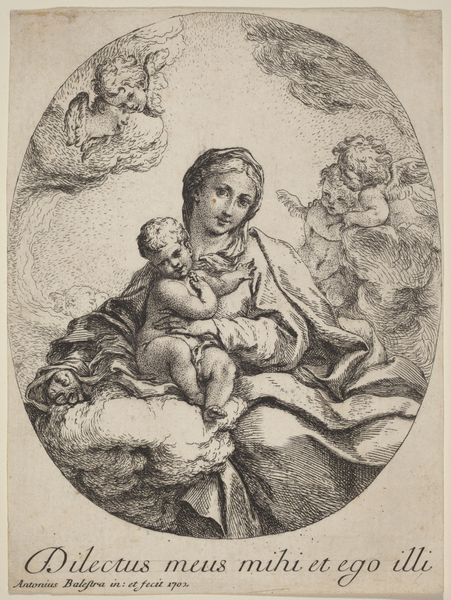
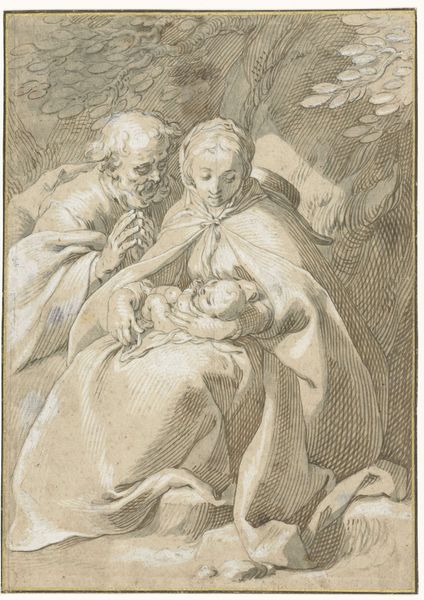
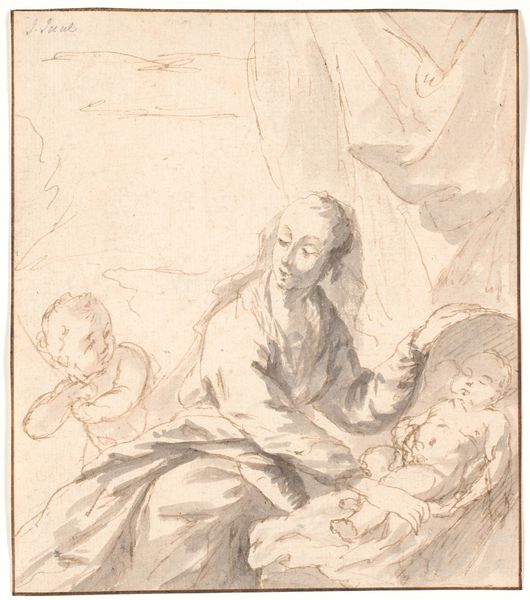
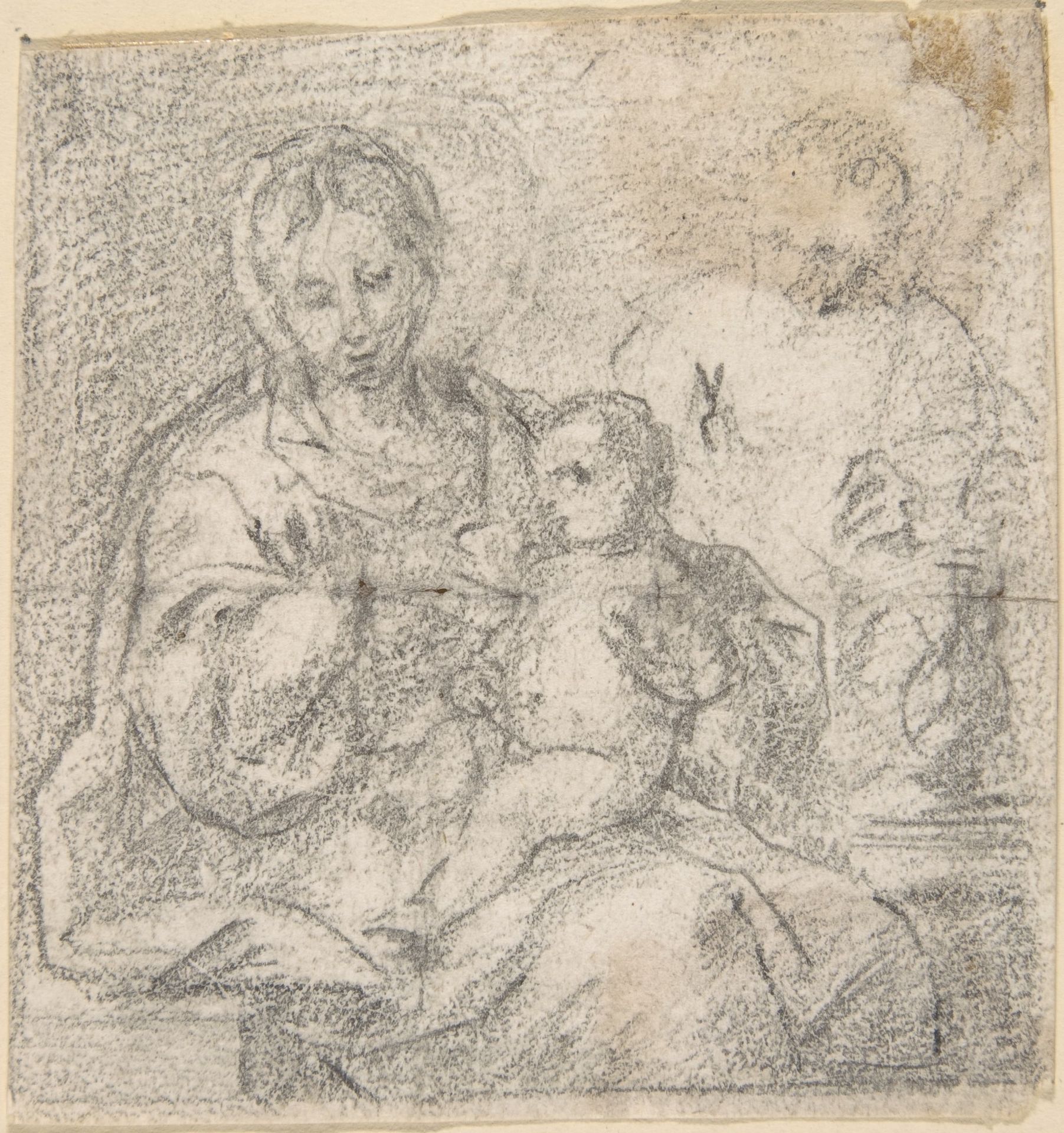
Pedro Duque Cornejo created this small drawing, "Holy Family," using black chalk on paper. Cornejo was from Seville, Spain, a place with a rich history of religious art heavily influenced by the Catholic Church. Looking at the cultural context of 18th-century Spain, we see a society where the church played a central role in everyday life. Religious art wasn't just about aesthetics; it was a tool for teaching, inspiring faith, and reinforcing social norms. The “Holy Family” signifies a deeply embedded subject that perpetuates the idea of a patriarchal family structure, supported by the powerful influence of the Catholic Church. The prevalence of such imagery underscores the conservative nature of Spanish society at the time. To truly understand Cornejo's work, we can delve into archives, religious texts, and historical records. In doing so, we are able to better appreciate the complex interplay between art, power, and society.
Holy Family
1695 - 1705

Pedro Duque Cornejo
1677 - 1757
The Metropolitan Museum of Art
Metropolitan Museum of Art, New York, NYArtwork details
- Medium
- drawing, print, paper, pencil
- Dimensions
- 1-7/16 x 1-1/4 in. (3.6 x 3.2 cm)
- Location
- Metropolitan Museum of Art, New York, NY
- Copyright
- Public Domain
Tags
Comments
Share your thoughts
About this artwork
Pedro Duque Cornejo created this small drawing, "Holy Family," using black chalk on paper. Cornejo was from Seville, Spain, a place with a rich history of religious art heavily influenced by the Catholic Church. Looking at the cultural context of 18th-century Spain, we see a society where the church played a central role in everyday life. Religious art wasn't just about aesthetics; it was a tool for teaching, inspiring faith, and reinforcing social norms. The “Holy Family” signifies a deeply embedded subject that perpetuates the idea of a patriarchal family structure, supported by the powerful influence of the Catholic Church. The prevalence of such imagery underscores the conservative nature of Spanish society at the time. To truly understand Cornejo's work, we can delve into archives, religious texts, and historical records. In doing so, we are able to better appreciate the complex interplay between art, power, and society.
Comments
Share your thoughts