

Curatorial notes
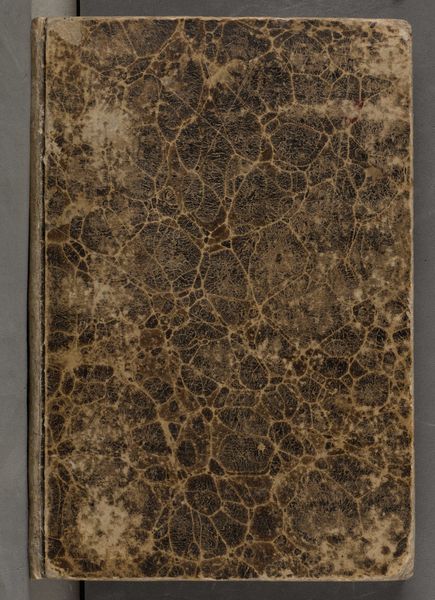
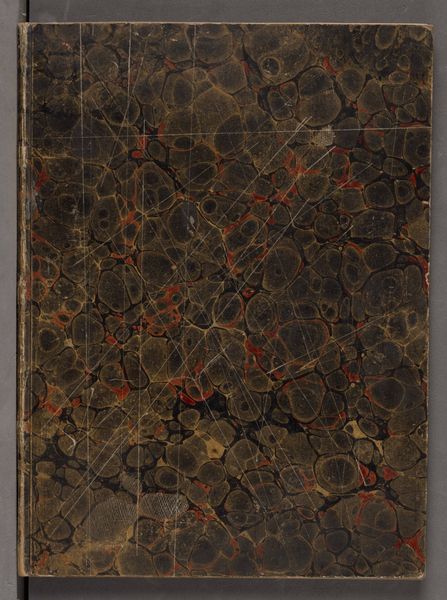
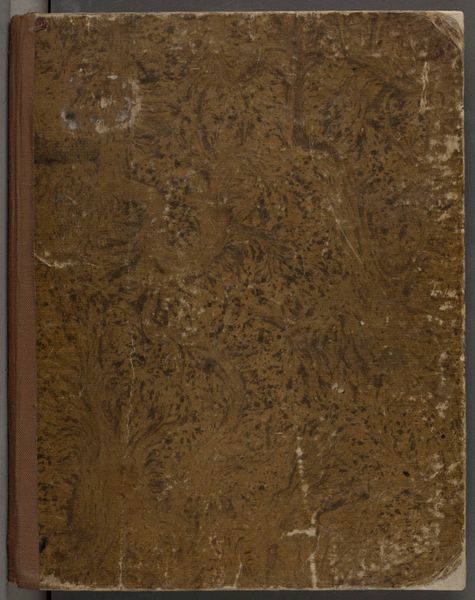
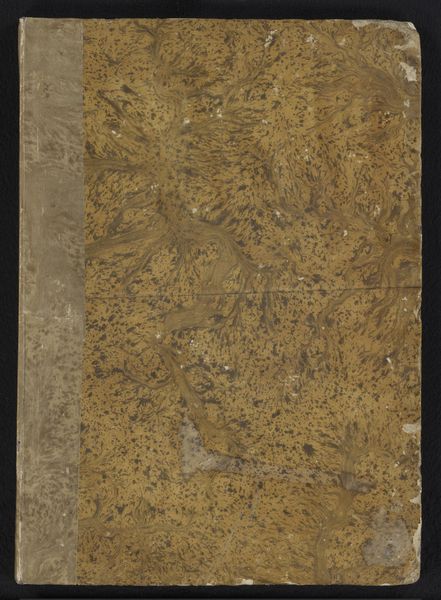
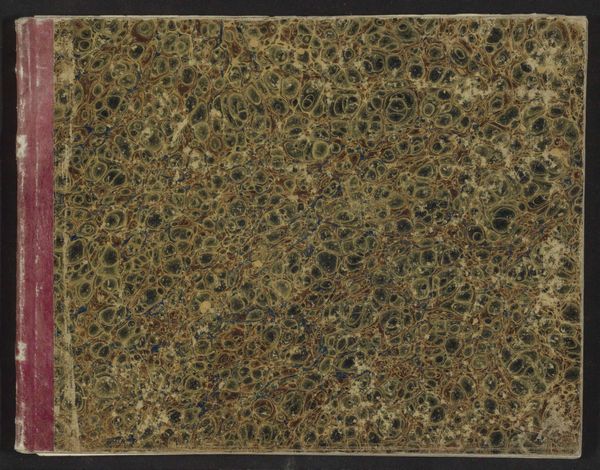
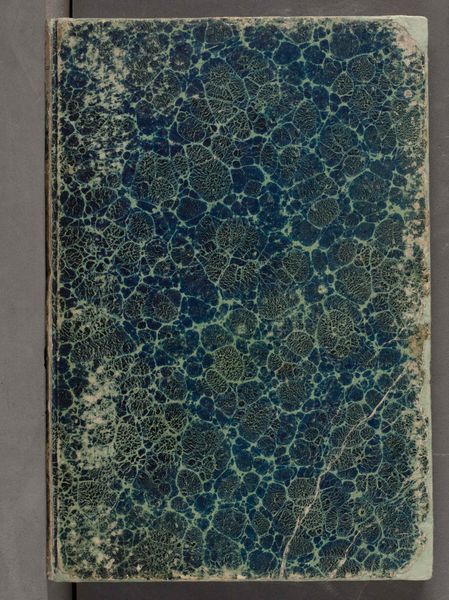
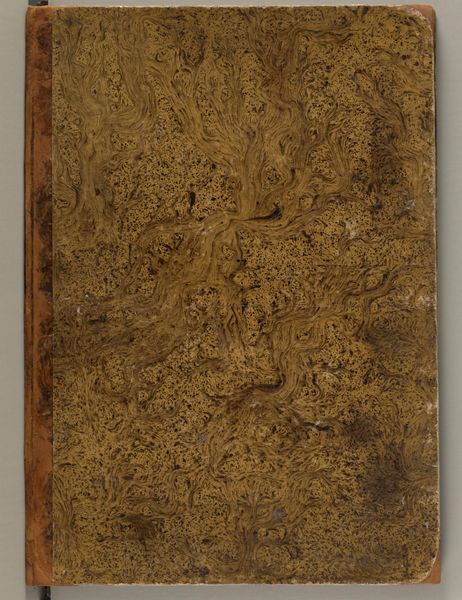
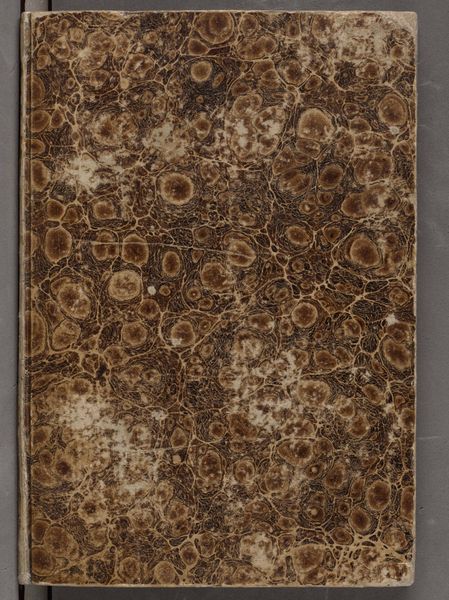
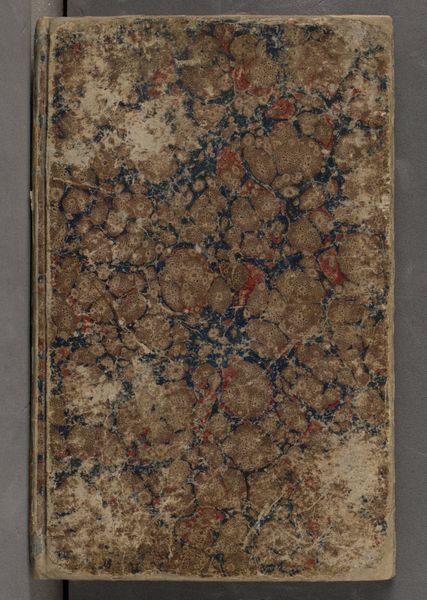
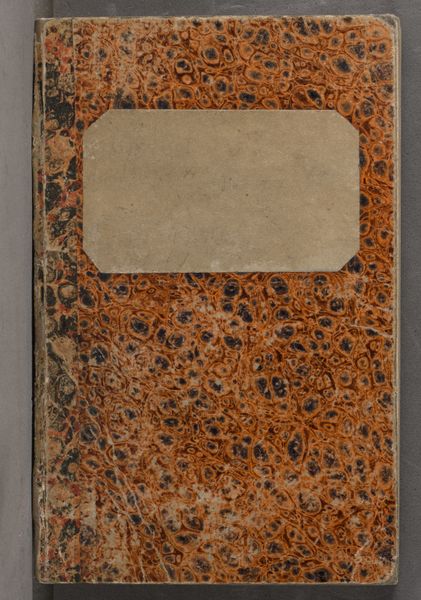
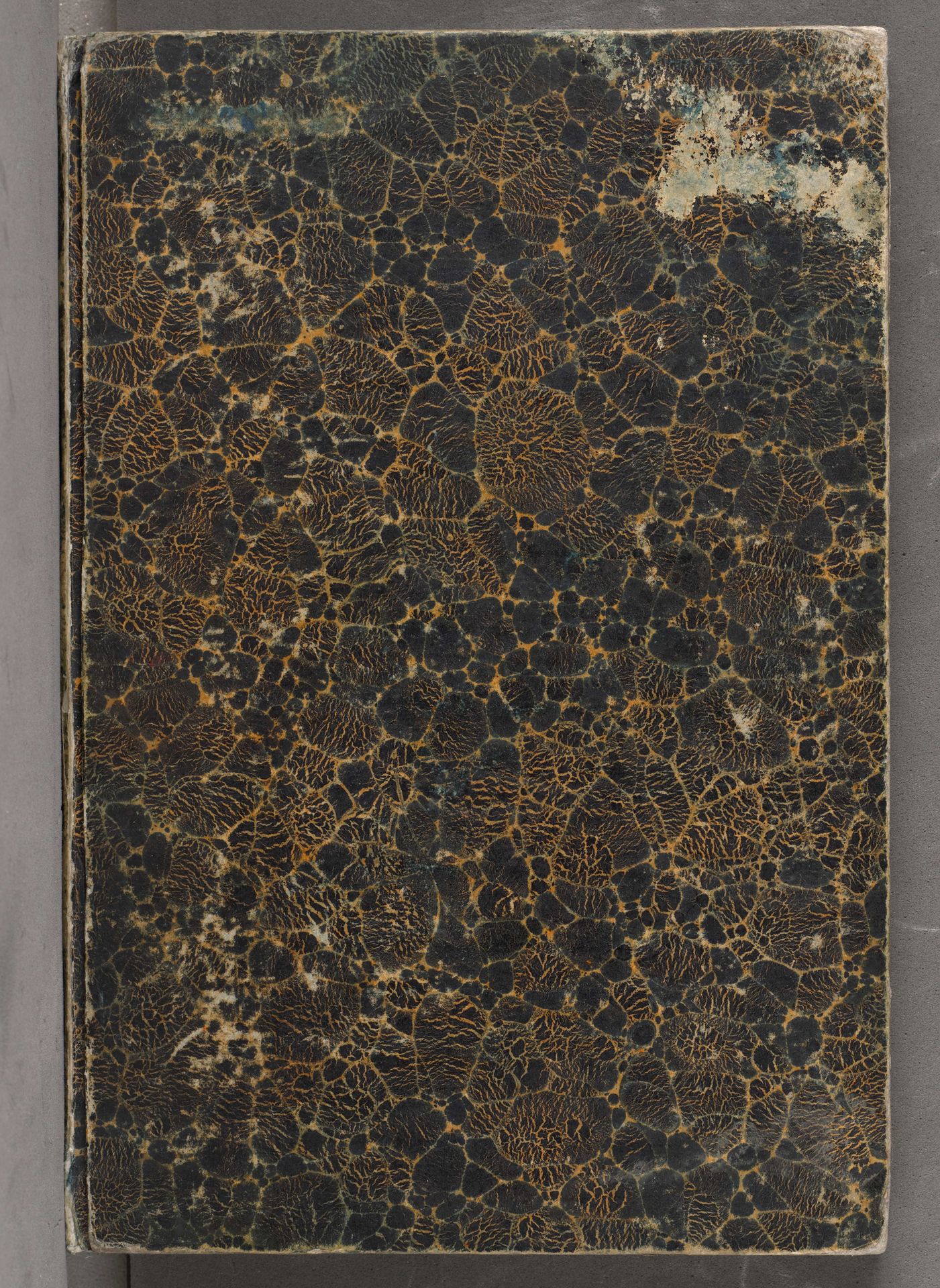
Editor: This is "Skizzenbuch," a sketchbook from 1840 by Ludwig Metz, created with ink on paper. The cover has this amazing marbled pattern, a little like dried mud or the veins of a leaf. What symbols or cultural meanings might you see here? Curator: An intriguing start. Yes, the marbled effect immediately grabs attention. The pattern isn't random; it mimics natural structures. In this era, the appeal to natural patterns reflected a desire to find deeper meaning in the observable world. But think more deeply about the symbolic resonance of a sketchbook. What do YOU see there? Editor: I guess the sketchbook itself implies a personal journey, like capturing fleeting thoughts or moments? Curator: Precisely. A sketchbook, especially from the 19th century, isn't merely a repository for drawings; it is a landscape of the artist's mind. The images captured hold memory and aspirations. It speaks volumes about who Metz was, what captivated him. It hints at untold narratives and is pregnant with the artist’s intent and expression. What could this imply about societal influences from the mid-1800s? Editor: Maybe a shift towards valuing individual expression and exploration? This feels less about grand pronouncements and more about intimate observations. Curator: A key shift, indeed! You begin to decipher the language within. Now, imagine holding it. This singular object once belonged to Metz, bearing the marks of time and travel, all symbols interwoven. Thank you for the wonderful observations. Editor: Thank you, it's really fascinating to consider a sketchbook as more than just a collection of drawings.