About this artwork
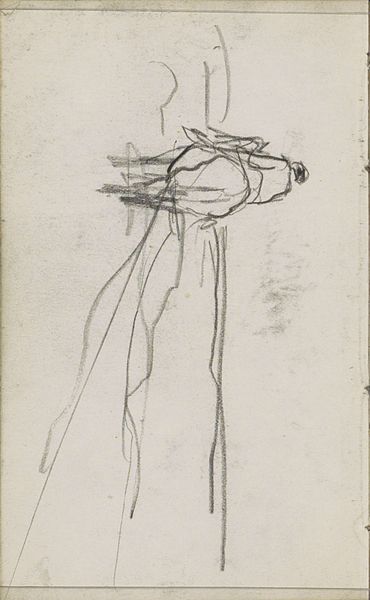
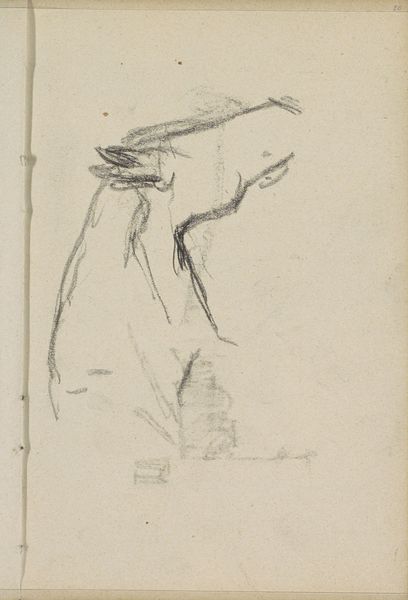
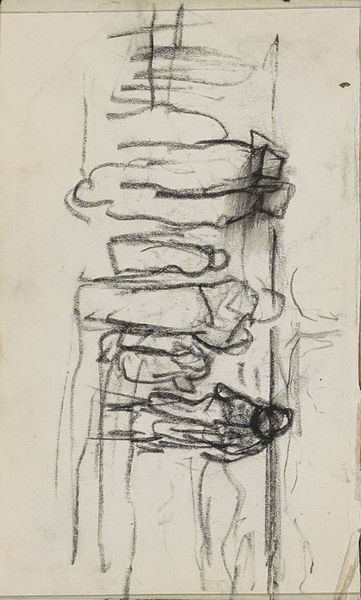
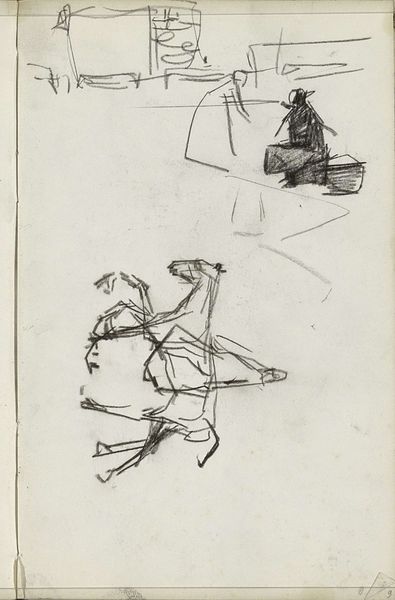
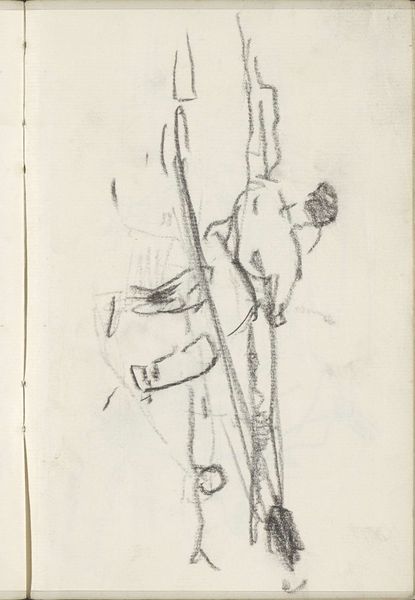
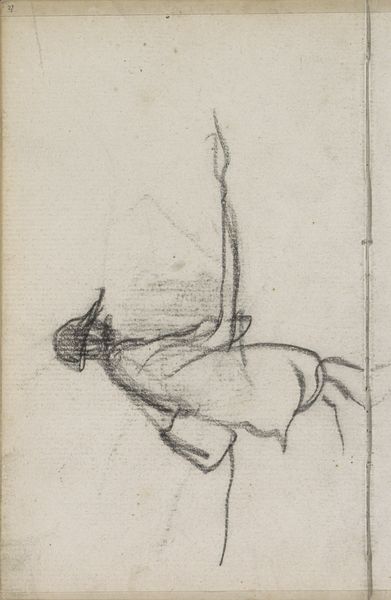
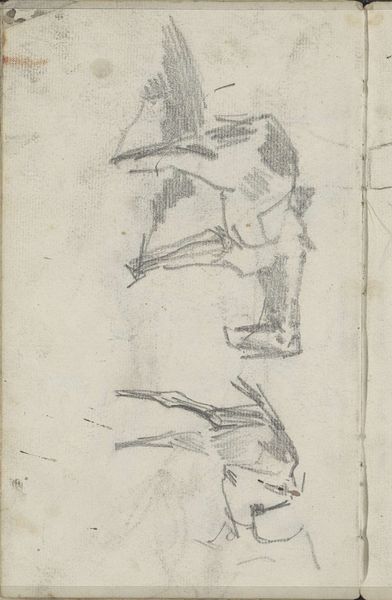
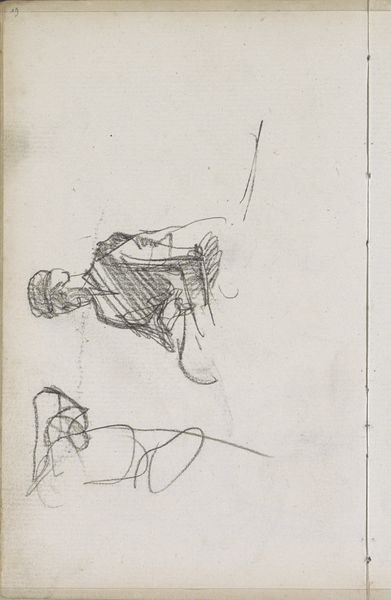
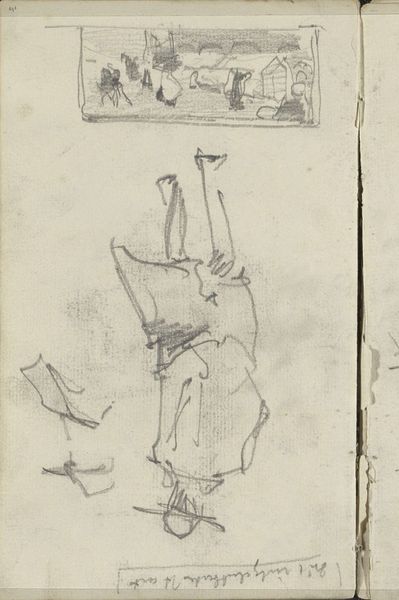
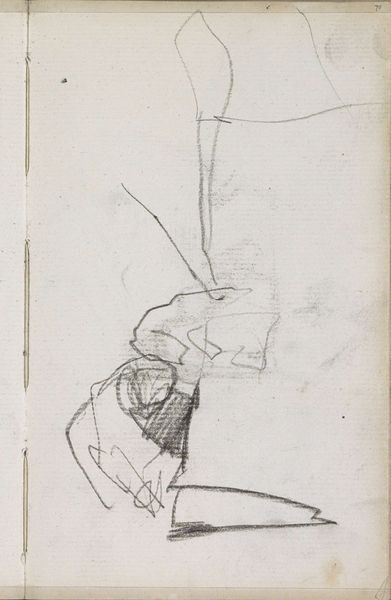
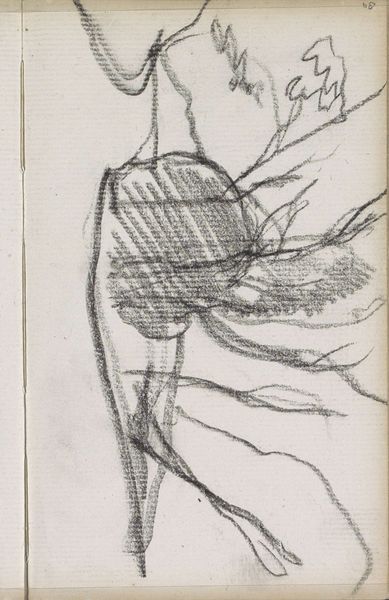
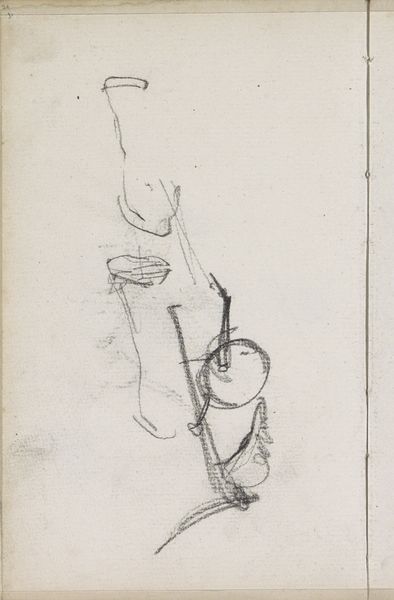
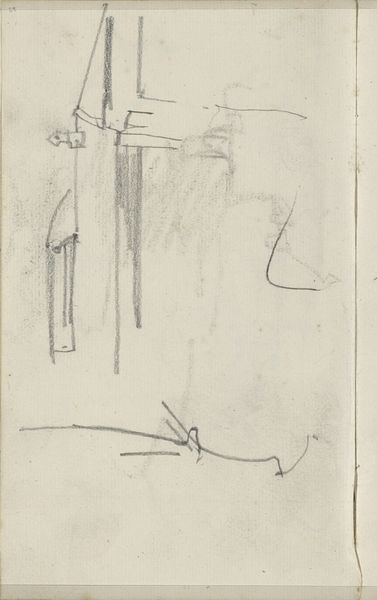
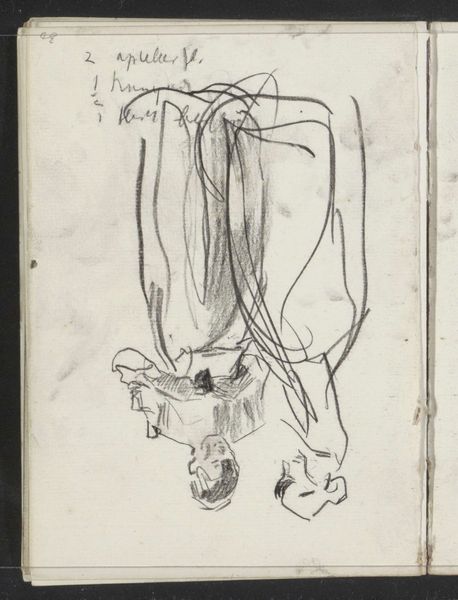
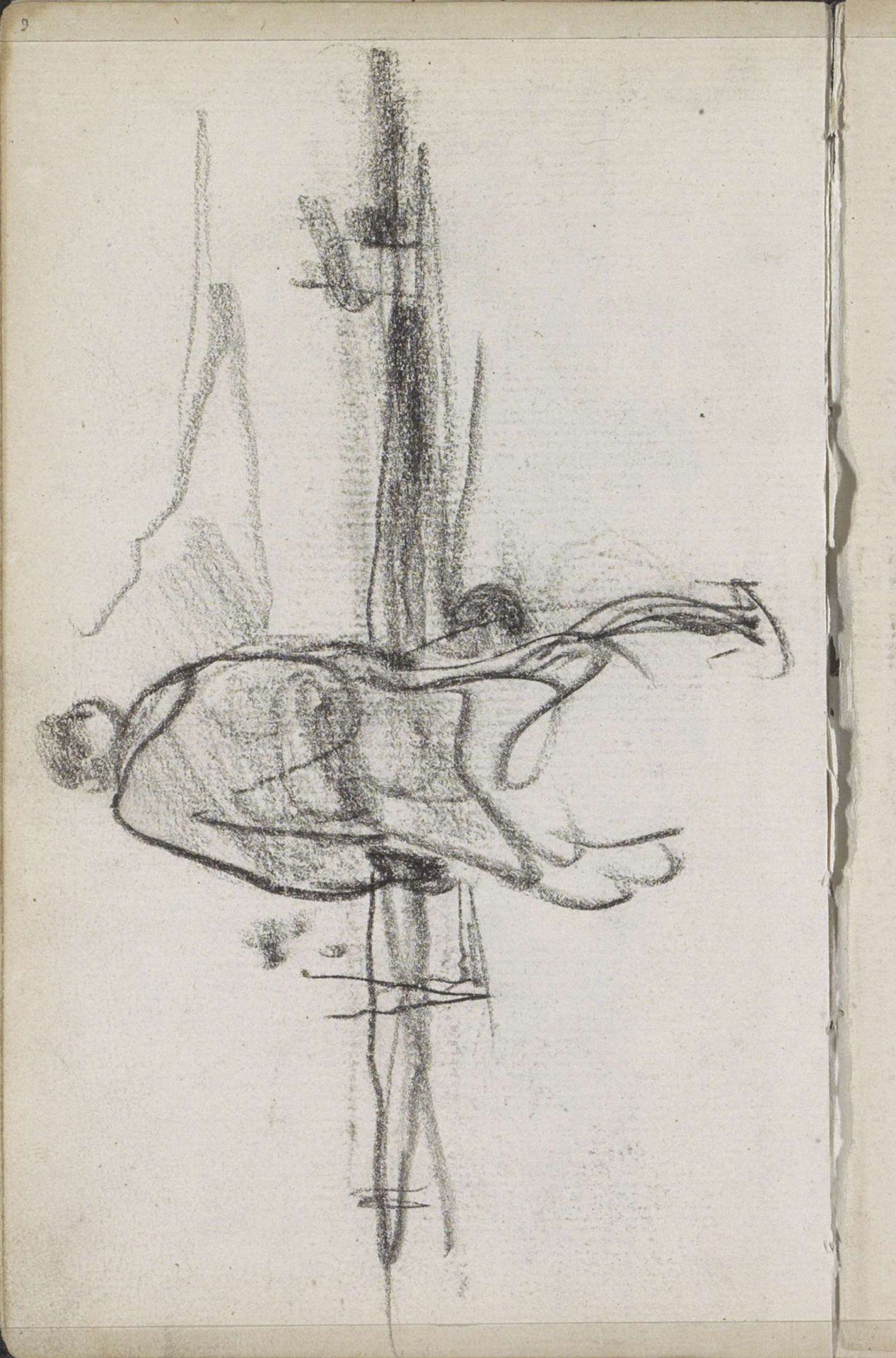
George Hendrik Breitner made this drawing, Figuur in een landschap, with graphite. The image captures a figure within a landscape. Breitner was active in the Netherlands during a time of rapid social and economic change, shaped by industrialization and urbanization. Breitner was known for his interest in capturing the everyday life of the working class and the urban landscape of Amsterdam. This drawing exemplifies that interest and also his involvement with the Amsterdam Impressionism movement. The sketch-like quality of the work reflects the impressionist focus on capturing fleeting moments and the immediate experience of the world. To better understand Breitner's work, one can look at the development of photography in the 19th century, and how it influenced the visual arts. Archival materials, like letters, diaries, and exhibition reviews, can provide insights into Breitner's artistic intentions, the reception of his work, and the social context in which he operated.

Artwork details
- Medium
- drawing, paper, pencil
- Location
- Rijksmuseum
- Copyright
- Rijks Museum: Open Domain
Tags
Comments
Share your thoughts
About this artwork
George Hendrik Breitner made this drawing, Figuur in een landschap, with graphite. The image captures a figure within a landscape. Breitner was active in the Netherlands during a time of rapid social and economic change, shaped by industrialization and urbanization. Breitner was known for his interest in capturing the everyday life of the working class and the urban landscape of Amsterdam. This drawing exemplifies that interest and also his involvement with the Amsterdam Impressionism movement. The sketch-like quality of the work reflects the impressionist focus on capturing fleeting moments and the immediate experience of the world. To better understand Breitner's work, one can look at the development of photography in the 19th century, and how it influenced the visual arts. Archival materials, like letters, diaries, and exhibition reviews, can provide insights into Breitner's artistic intentions, the reception of his work, and the social context in which he operated.
Comments
Share your thoughts