About this artwork
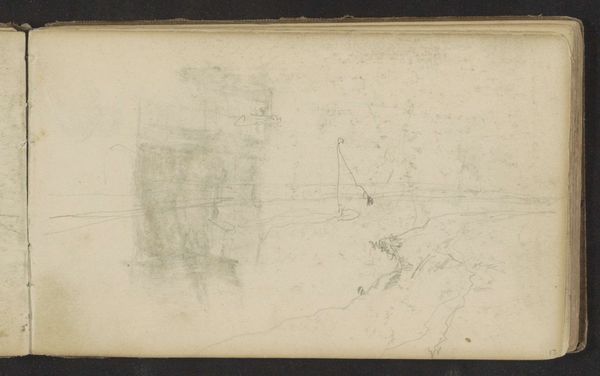
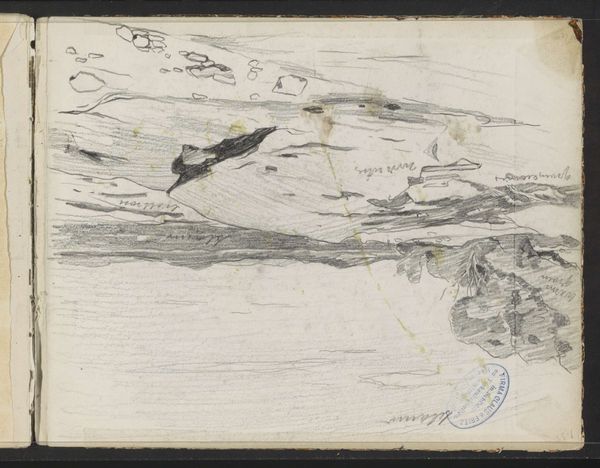
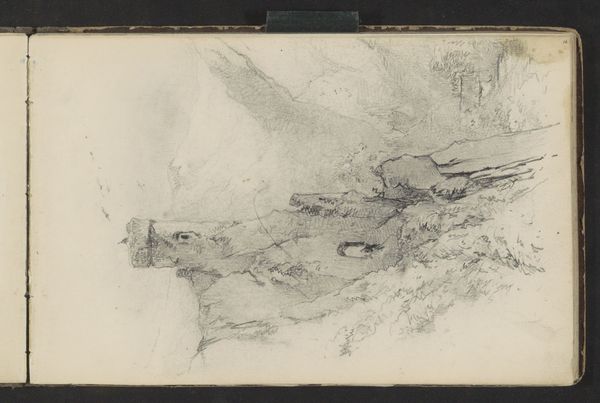
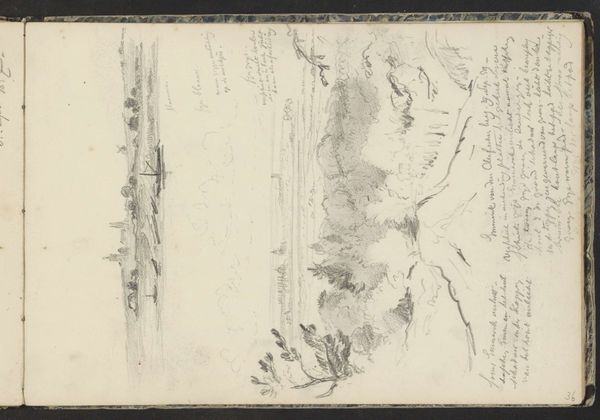
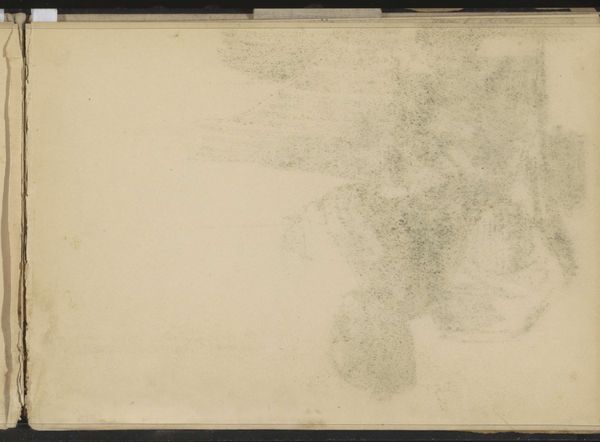
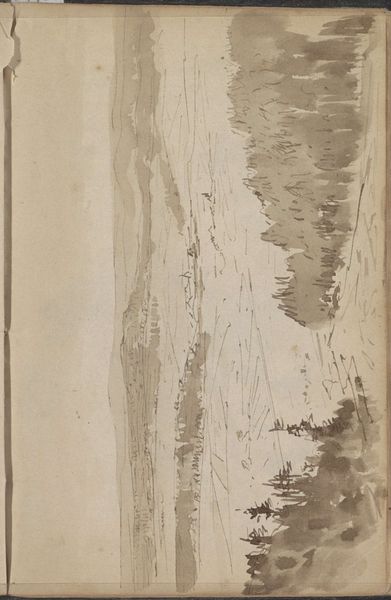
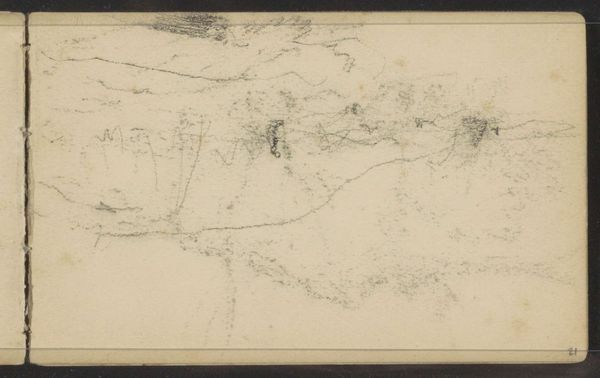
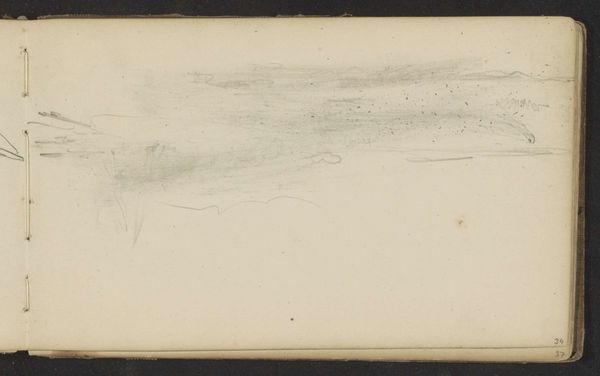
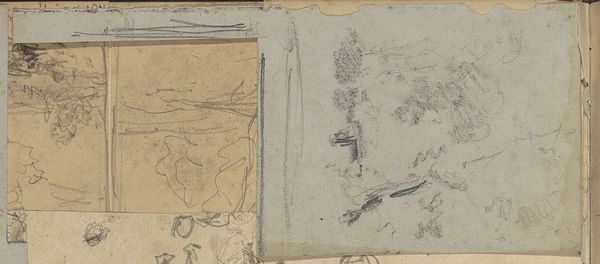
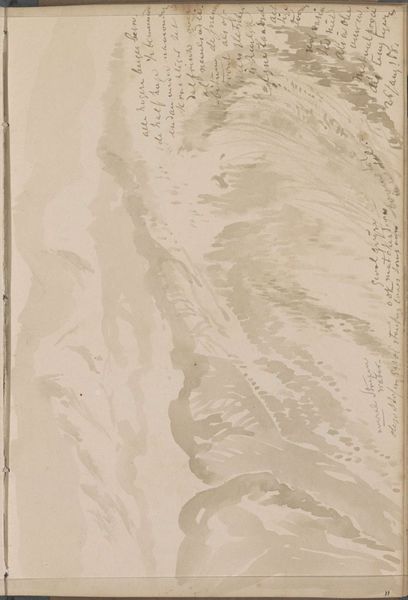
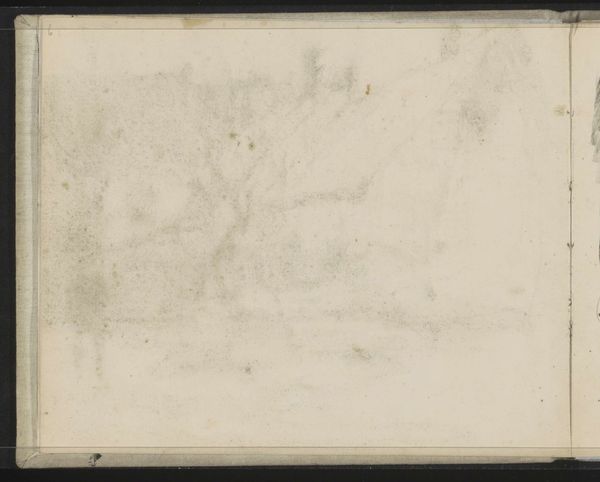
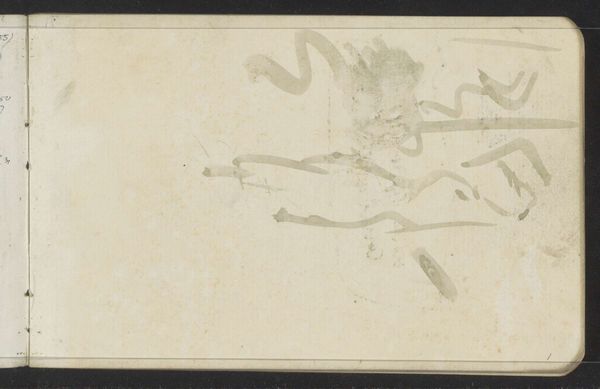
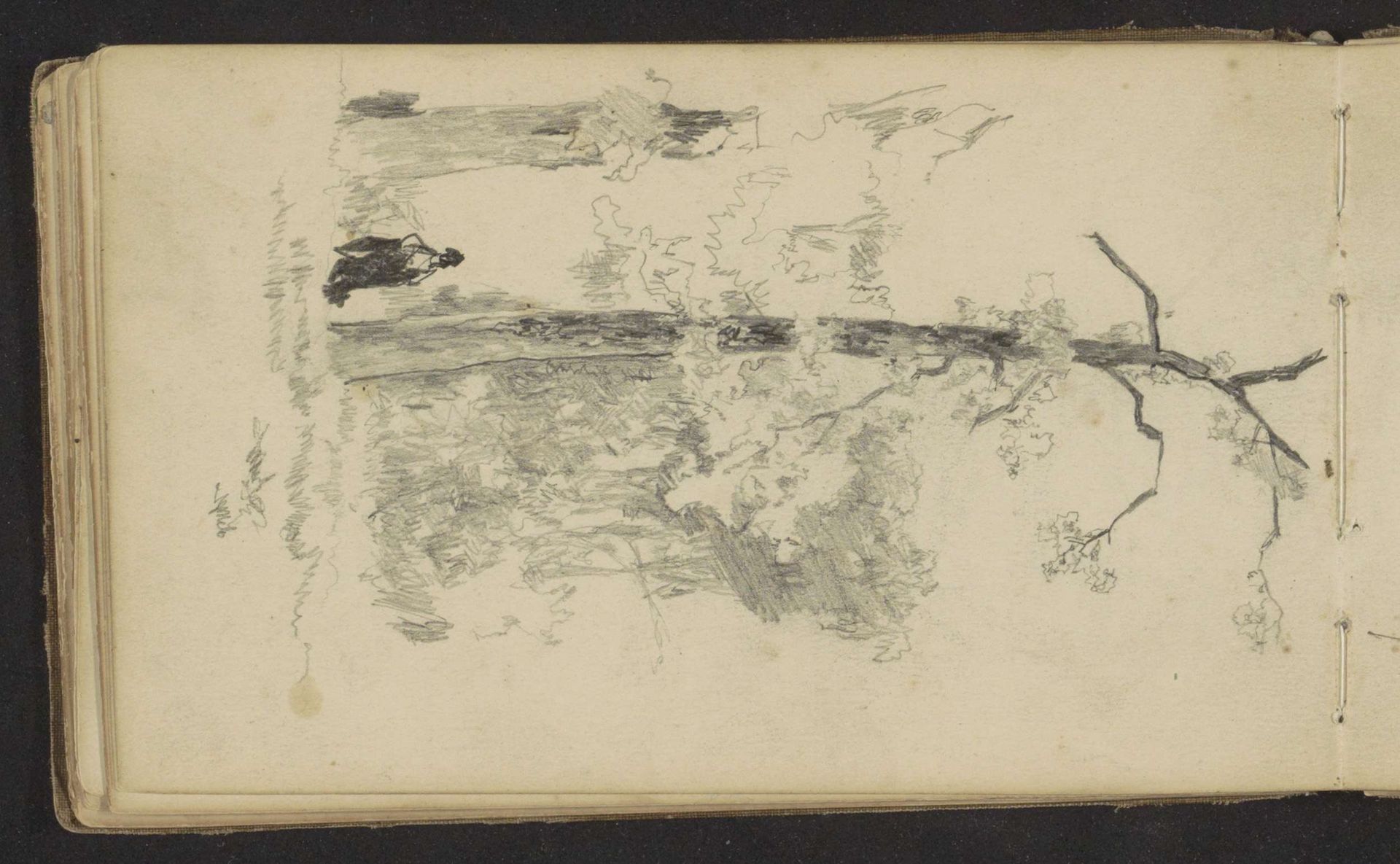
This is Johan Hendrik Weissenbruch’s pencil sketch, ‘Figure at the Edge of a Forest’, held at the Rijksmuseum. Weissenbruch was a leading figure of the Hague School, a group of Dutch artists who, in the late 19th century, painted in a naturalistic style. In this sketch, there's a lone figure, perhaps a woman, at the forest's edge, rendered with quick, impressionistic lines, this suggests themes of solitude and the individual's relationship with nature. During this time, rapid urbanization was changing the Dutch landscape. Artists like Weissenbruch turned to the countryside for solace and authenticity, and his art was a reaction to the increasingly industrialized and urbanized society. The choice to focus on a solitary figure brings up questions about identity, and the emotional experience of observing this scene evokes feelings of introspection and a longing for a simpler, more natural world. It also echoes the societal changes and the personal sense of alienation that often comes with modernization. It is through this balance of societal reflection and personal emotion that Weissenbruch elevates a simple landscape sketch to a commentary on his time.

Artwork details
- Medium
- drawing, pencil
- Location
- Rijksmuseum
- Copyright
- Rijks Museum: Open Domain
Tags
Comments
Share your thoughts
About this artwork
This is Johan Hendrik Weissenbruch’s pencil sketch, ‘Figure at the Edge of a Forest’, held at the Rijksmuseum. Weissenbruch was a leading figure of the Hague School, a group of Dutch artists who, in the late 19th century, painted in a naturalistic style. In this sketch, there's a lone figure, perhaps a woman, at the forest's edge, rendered with quick, impressionistic lines, this suggests themes of solitude and the individual's relationship with nature. During this time, rapid urbanization was changing the Dutch landscape. Artists like Weissenbruch turned to the countryside for solace and authenticity, and his art was a reaction to the increasingly industrialized and urbanized society. The choice to focus on a solitary figure brings up questions about identity, and the emotional experience of observing this scene evokes feelings of introspection and a longing for a simpler, more natural world. It also echoes the societal changes and the personal sense of alienation that often comes with modernization. It is through this balance of societal reflection and personal emotion that Weissenbruch elevates a simple landscape sketch to a commentary on his time.
Comments
Share your thoughts