1789
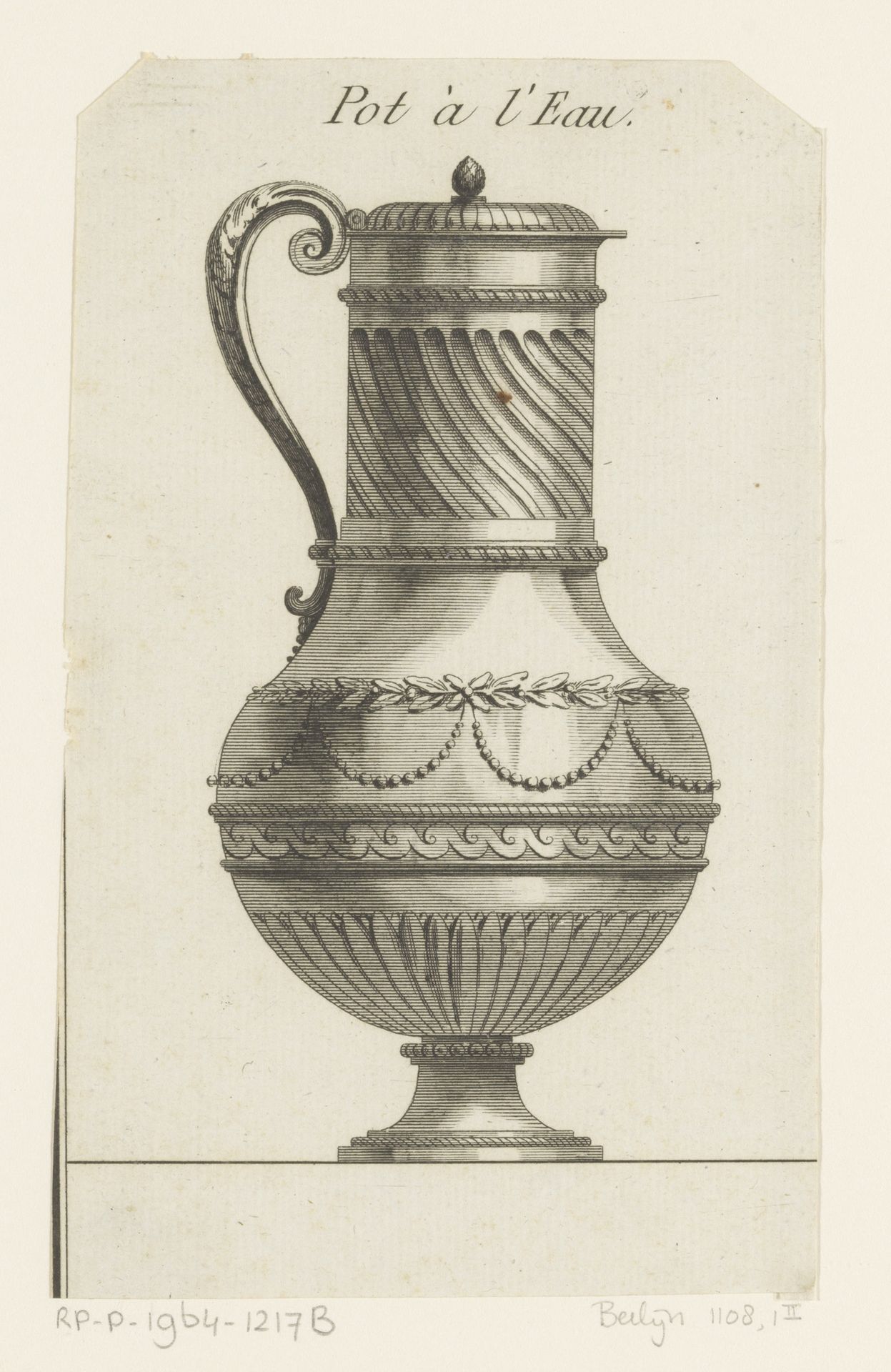
Waterkan

de Saint-Morien
@desaintmorienLocation
RijksmuseumListen to curator's interpretation
Curatorial notes
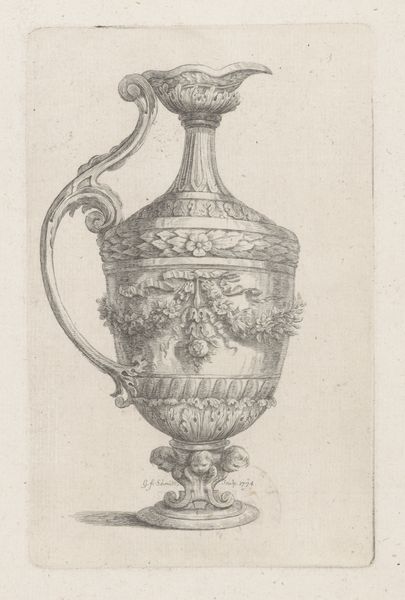
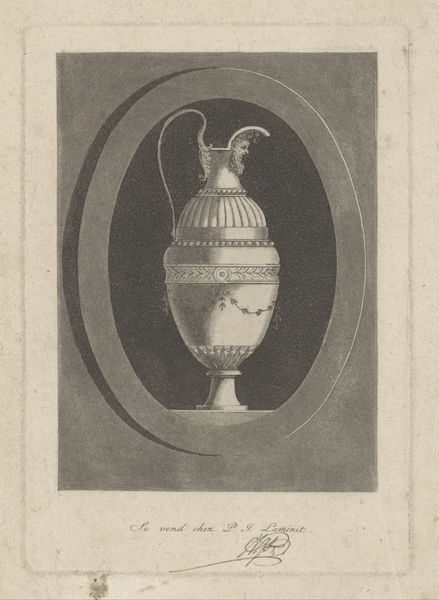
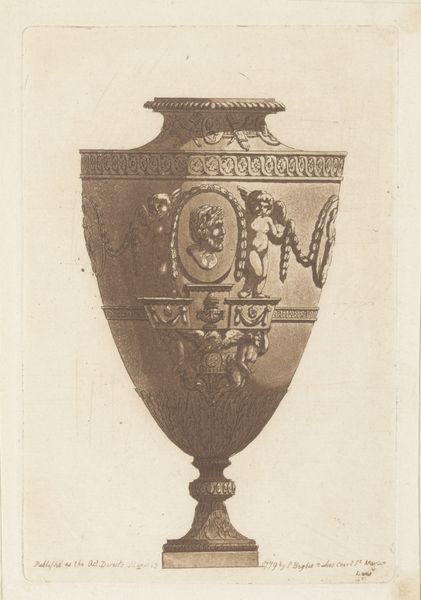
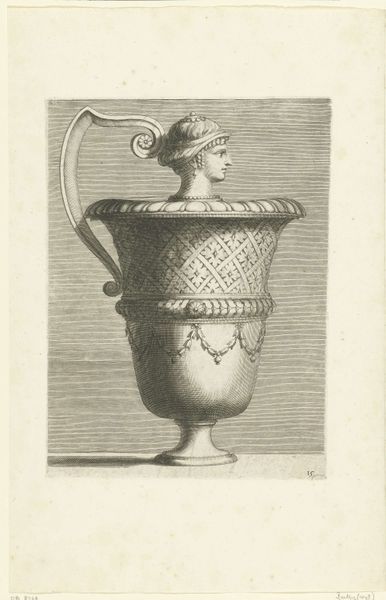
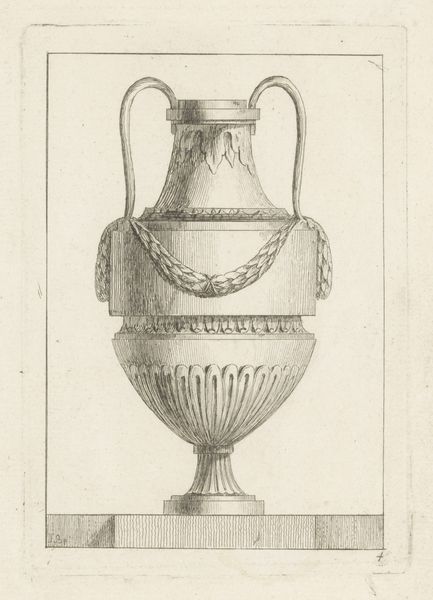
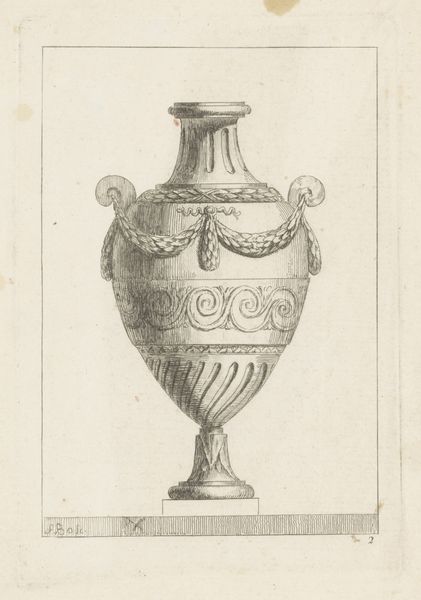
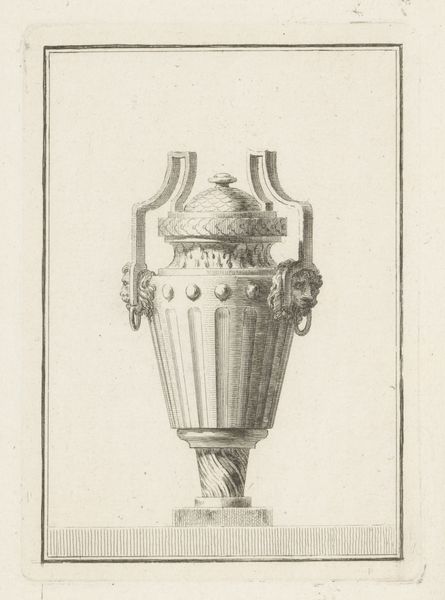
This is a design for a Waterkan, made by de Saint-Morien. Look at the amount of work involved in the production process. The body of the vessel seems to be lathe-turned, with the spiraling flutes of the upper portion cut away by hand. There are molded decorative elements, perhaps applied using lost-wax casting. The handle would have been formed by forging and filing. Each of these steps requires different specialist skills. This is a utilitarian object, yet conceived with the refinement of the goldsmith’s art. How might a piece like this have been produced? Perhaps by dividing labor, with one artisan specializing in lathe work, another in casting, and another in hand-applied decoration. This speaks to the division of labor in eighteenth century manufacture, where each maker was only responsible for a portion of the finished product. Paying attention to these material and production processes helps us to challenge traditional distinctions between fine art and craft.