1700 - 1750
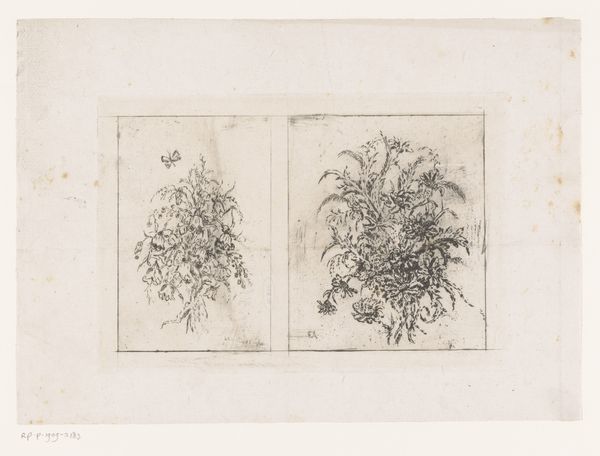
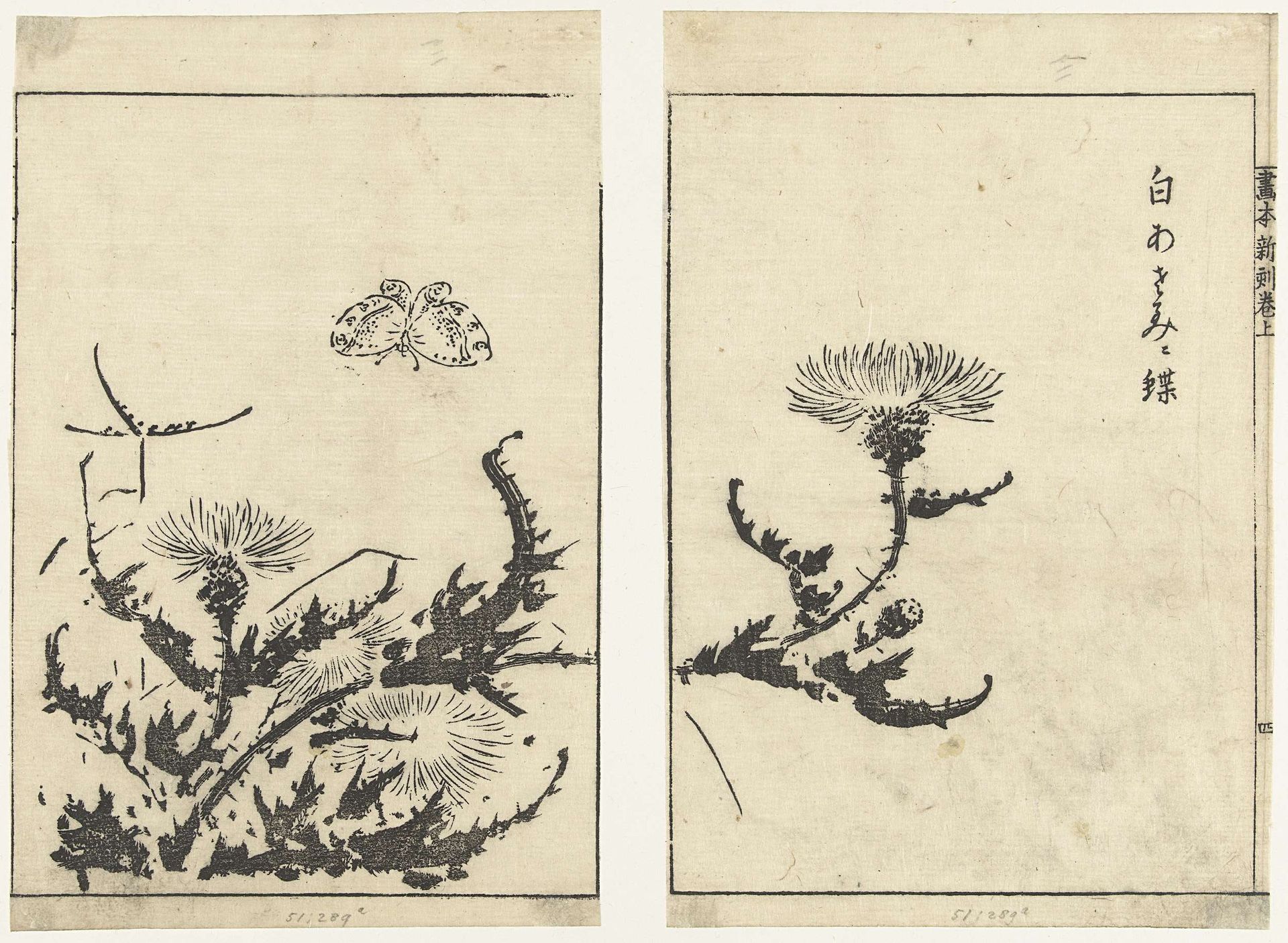
Distels en vlinder

Listen to curator's interpretation
Curatorial notes
Tachibana Morikuni made this woodblock print of thistles and a butterfly sometime before his death in 1748. Morikuni was a versatile artist, working in painting, print, and book illustration, and his images reflect the rich cultural life of Japan’s Edo period. The flowers and insects in this print might seem like simple observations from nature. But in Japanese art, they’re often used as symbols, especially in the context of Zen Buddhism. The thistle, with its prickly leaves, can stand for resilience, and the butterfly for transformation, and the artist may be suggesting the possibility of spiritual growth through the trials of life. Studying Morikuni’s illustrations can give us insight into the social and cultural values of his time. To understand them better, we could also look at woodblock prints produced for mass audiences. The images, like all art, are intertwined with the economic and social forces that produce them.