About this artwork
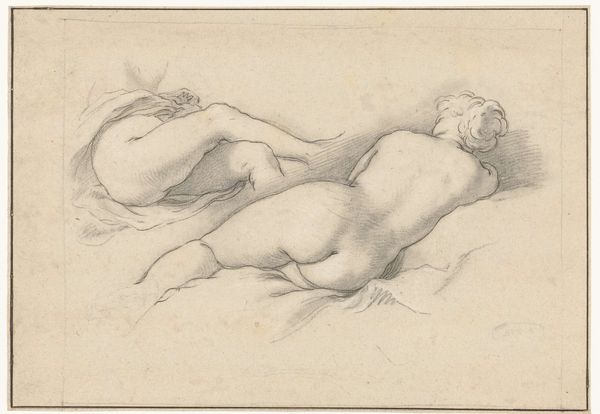
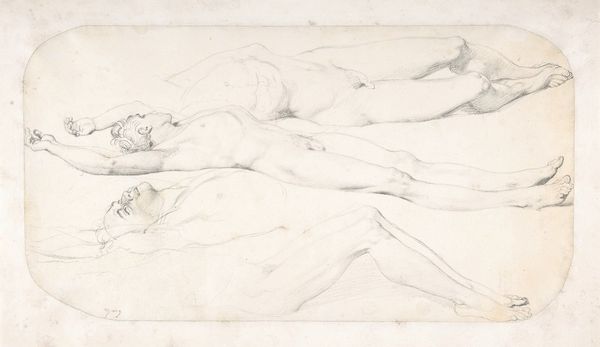
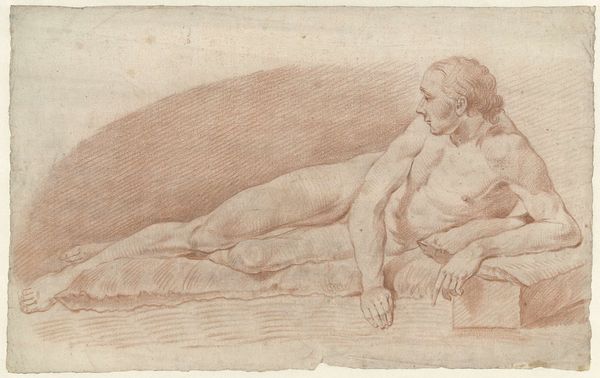
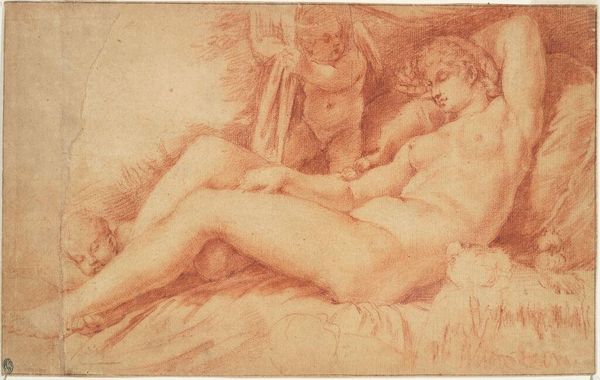
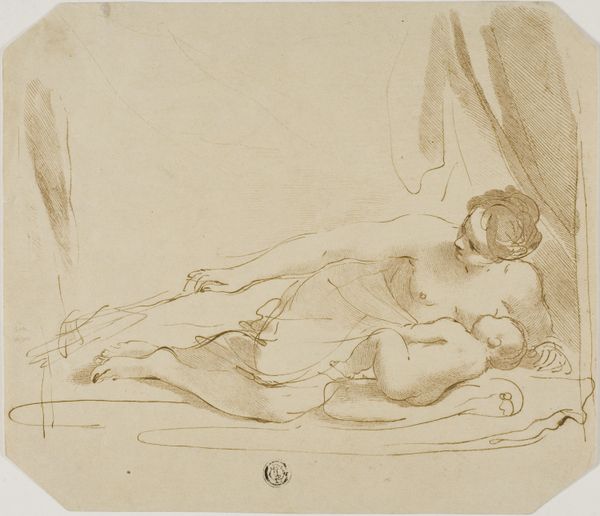
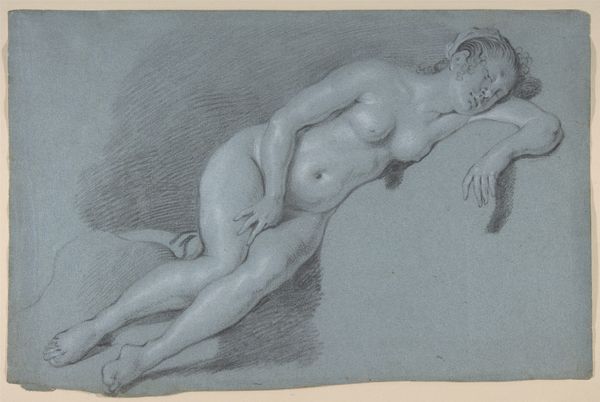
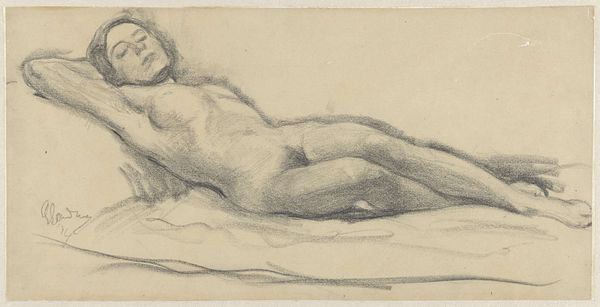
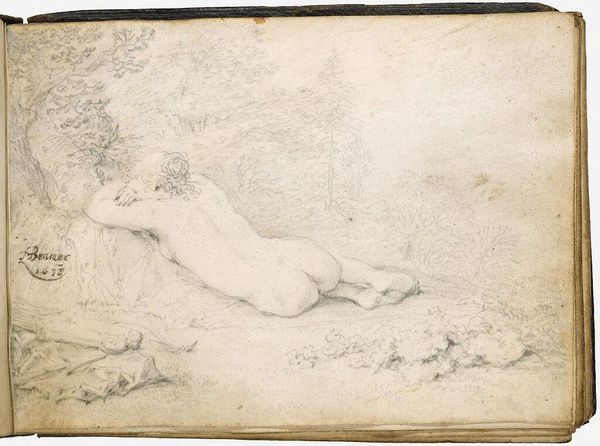
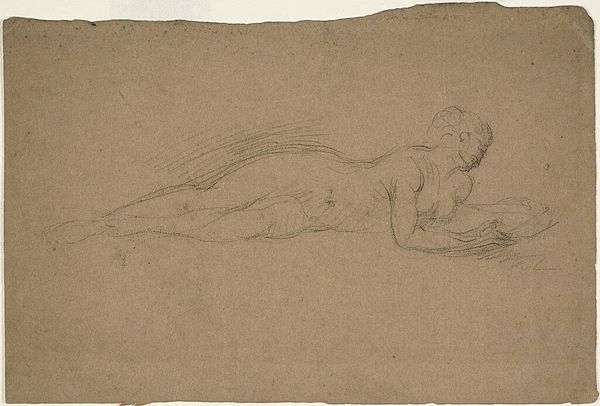
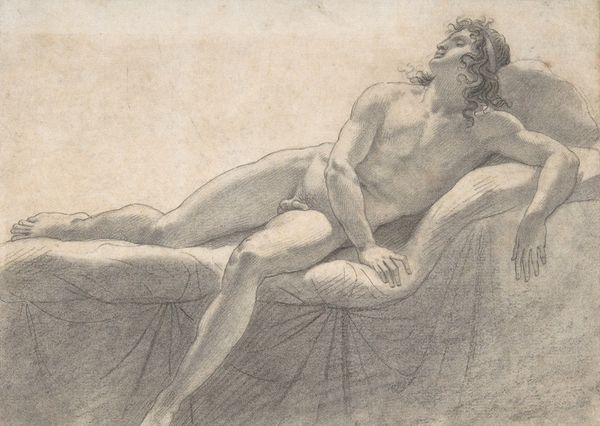
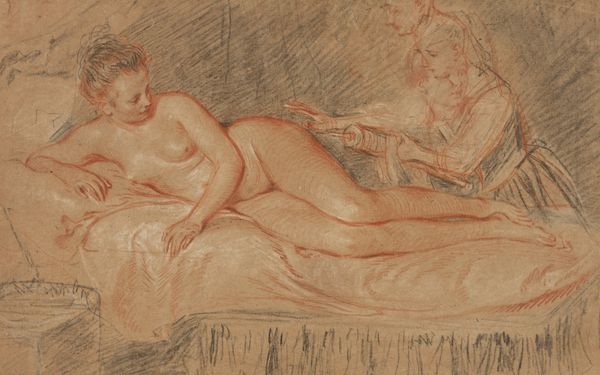
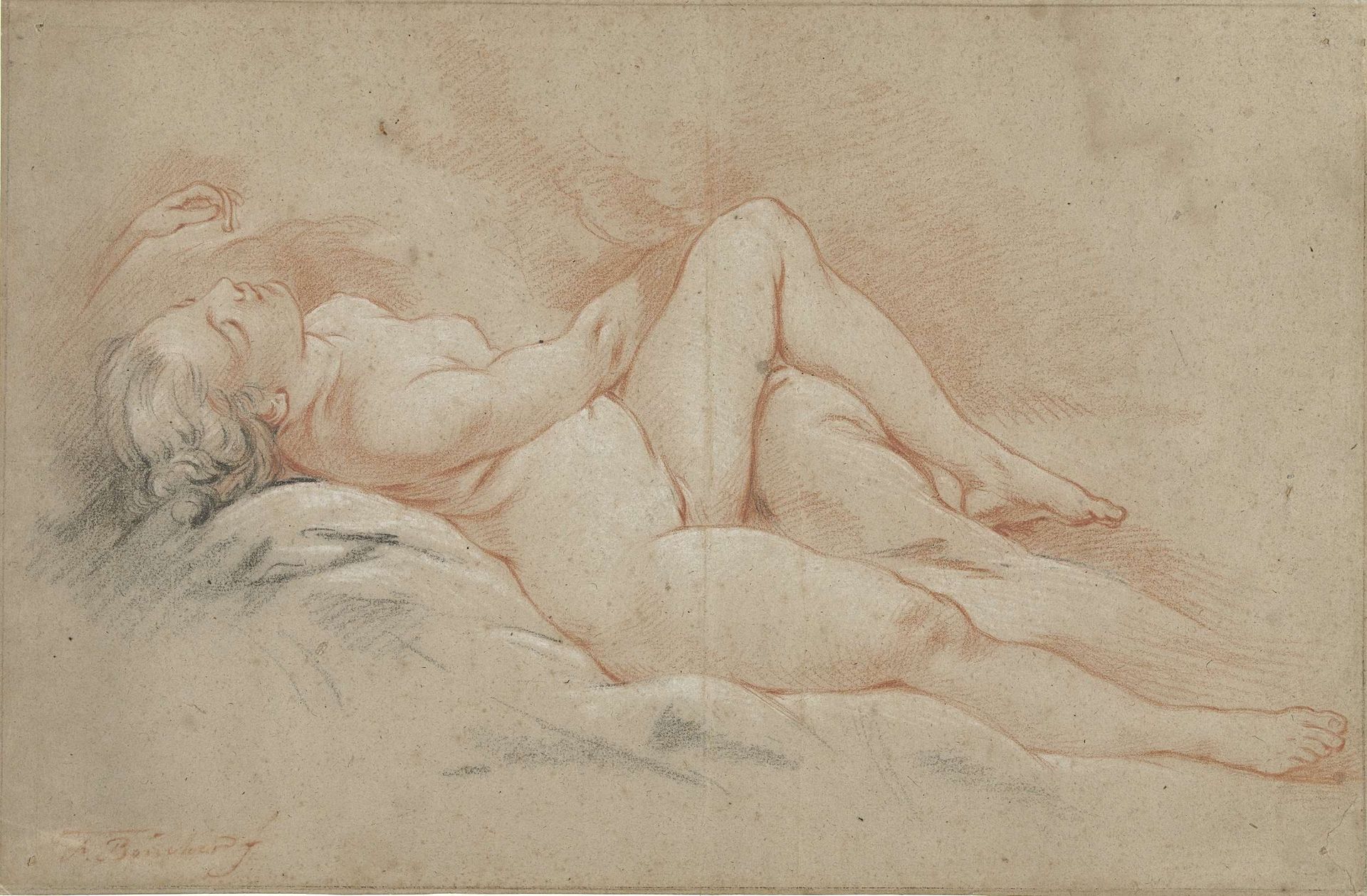
This is "Achterover liggend vrouwelijk naakt" ("Reclining Female Nude"), a drawing by François Boucher, made with red chalk. The image depicts a female nude, recumbent, seemingly lost in repose, her form rendered with a soft, almost dreamlike quality. The reclining pose evokes a sense of vulnerability but also invites the viewer into her private world. Such poses are not new. This motif can be traced back to classical antiquity. Think of the sleeping Ariadne. In the Renaissance and Baroque periods, it reappears. The enduring appeal of the reclining figure lies in its ability to convey both eroticism and introspection. Each artist reframes the symbol, imbuing it with new layers of meaning. The emotional power of this image resides in its intimate portrayal of the human form, tapping into our collective memory of beauty and desire. It is a reminder that these primal emotions transcend time and culture, resurfacing in different forms throughout history.
Achterover liggend vrouwelijk naakt 1713 - 1754

Francois Boucher
1703 - 1770Location
RijksmuseumArtwork details
- Medium
- drawing, paper, charcoal
- Dimensions
- height 300 mm, width 462 mm
- Location
- Rijksmuseum
- Copyright
- Rijks Museum: Open Domain
Tags
drawing
pencil sketch
charcoal drawing
figuration
paper
pencil drawing
charcoal
nude
erotic-art
rococo
Comments
No comments
About this artwork
This is "Achterover liggend vrouwelijk naakt" ("Reclining Female Nude"), a drawing by François Boucher, made with red chalk. The image depicts a female nude, recumbent, seemingly lost in repose, her form rendered with a soft, almost dreamlike quality. The reclining pose evokes a sense of vulnerability but also invites the viewer into her private world. Such poses are not new. This motif can be traced back to classical antiquity. Think of the sleeping Ariadne. In the Renaissance and Baroque periods, it reappears. The enduring appeal of the reclining figure lies in its ability to convey both eroticism and introspection. Each artist reframes the symbol, imbuing it with new layers of meaning. The emotional power of this image resides in its intimate portrayal of the human form, tapping into our collective memory of beauty and desire. It is a reminder that these primal emotions transcend time and culture, resurfacing in different forms throughout history.
Comments
No comments