1895
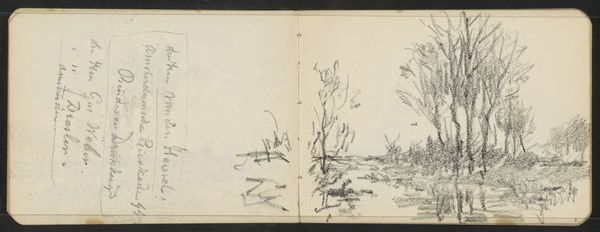
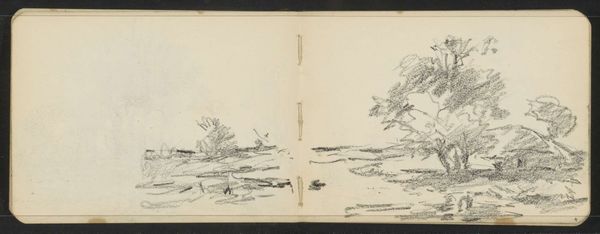
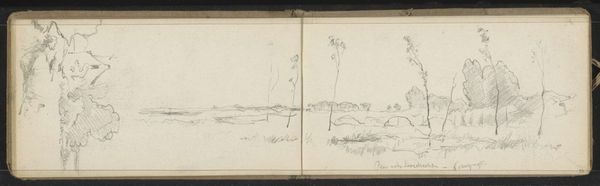
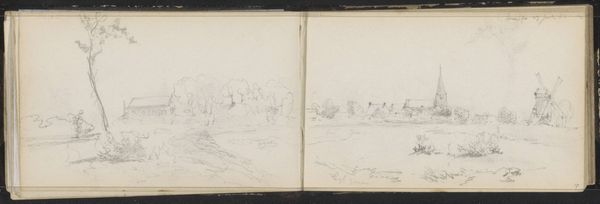
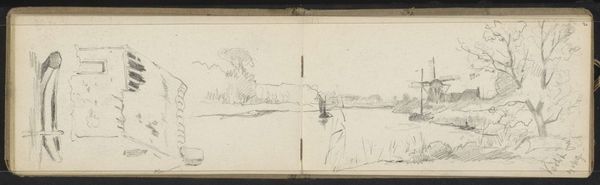
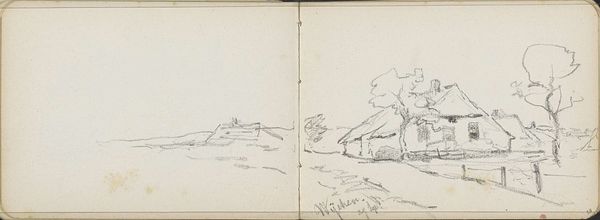
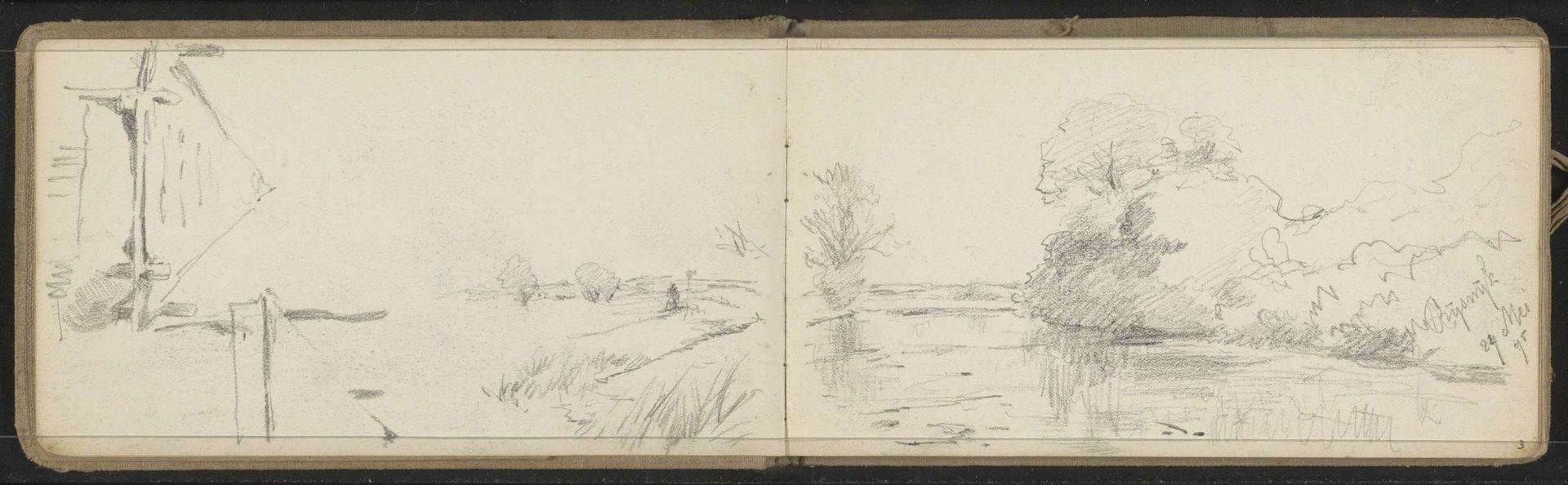
Hooischuur en een landschap met een vaart te Rijswijk

Listen to curator's interpretation
Curatorial notes
This landscape sketch of Rijswijk was made by Willem Cornelis Rip. The windmill in the foreground is the main focal point, its sails reaching skyward like arms. Since antiquity, the windmill is not merely a functional structure but also a symbol of human ingenuity and adaptation. The image of the windmill, a nexus where nature and human activity converge, finds echoes across eras, from Don Quixote's folly to Dutch Golden Age paintings. The cyclical motion of its sails mirrors the rhythms of life itself. The presence of water adds another layer, evoking themes of reflection and the subconscious. Water, in its myriad forms, has long been associated with the depths of the human psyche, a mirror reflecting our innermost selves. The sketch captures a profound sense of place and time, and also taps into a deeper, almost primal connection with the land. It’s a reminder of how we, as humans, are inextricably linked to the rhythms of the earth.